
JLPT N1 词义四选一 - Unsolved

通过四选一题目,用简体中文学习JLPT N1的3032个单词含义。
-
事情经过
-
热忱
-
赛跑
-
坠毁
-
园圃 / 种植园
-
军事
-
信息
-
向阳处
-
讲读
-
变钝
-
缩小
-
称作 / 自称
-
跑步
-
嘉宾
-
聪慧
-
进行 / 前进
-
专题
-
刑罚
-
用手指指
-
审讯 / 调查
-
乘上 / 闯入
-
能胜任
-
体积大
-
干劲十足
-
口信
-
破裂
-
结业
-
模糊的
-
不明的
-
真诚的
- 「厳かなる」は文語的・荘重な連体形。
麻
麻 / 亚麻布
麻
麻 / 亚麻布
Explanation
麻
麻 / 亚麻布
麻
大麻 / 麻植物 / 麻纤维

( romanization )
( hiragana )
天井
天花板
天井
天花板
Explanation
天井
天花板
天井
天花板 / 室内顶部的覆盖面

( Base form )
( romanization )
( romanization )
( hiragana historical )
( hiragana )
侵略
侵略
侵略
侵略
Explanation
侵略
侵略
侵略
用武力侵入并占领他国的行为 / 侵犯他国主权或领土的侵入行为 / 突袭式入侵、袭扰

( Base form )
( romanization )
( hiragana )
赴く
赴往
赴く
赴往
Explanation
赴く
赴往
赴く
前往;奔赴 / 走向某一方向或状态;趋向 / 达至某种状态;演变为

Word Forms
The basic and commonly used forms of this verb.
Basic forms
| Form | Word form | Usage |
|---|---|---|
| Imperfective form (mizenkei) |
Alternative:
赴こ
|
Connects to endings such as nai, reru, and seru. |
| Continuative form (renyokei) | Connects to endings such as masu, tai, and ta. | |
| Conclusive form (shushikei) | Ends a sentence and serves as the dictionary form. | |
| Attributive form (rentaikei) | Modifies a noun. | |
| Conditional form (kateikei) | Combines with ba to express a condition. | |
| Imperative form (meireikei) | Expresses a command or instruction. |
Common forms
赤字
赤字
赤字
赤字
Explanation
赤字
赤字
赤字
用红笔书写的文字;红字 / 亏损;财政或经营上的赤字 / 教师或校对者用红笔作出的修订标记或更正

( Base form )
( romanization )
( hiragana )
内閣
内阁
内閣
内阁
Explanation
内閣
内阁
内閣
政府内阁(国家的最高行政领导集体) / (企业等的)顾问委员会或核心决策团队

( Base form )
( romanization )
( kyūjitai )
( hiragana )
炒める
炒
炒める
炒
Explanation
炒める
炒
炒める
炒 / 煎炒 / 煸炒

Word Forms
The basic and commonly used forms of this verb.
Basic forms
| Form | Word form | Usage |
|---|---|---|
| Imperfective form (mizenkei) | Connects to endings such as nai, reru, and seru. | |
| Continuative form (renyokei) | Connects to endings such as masu, tai, and ta. | |
| Conclusive form (shushikei) | Ends a sentence and serves as the dictionary form. | |
| Attributive form (rentaikei) | Modifies a noun. | |
| Conditional form (kateikei) | Combines with ba to express a condition. | |
| Imperative form (meireikei) |
Alternative:
炒めよ
|
Expresses a command or instruction. |
Common forms
ごまかす
欺骗 / 掩饰
ごまかす
欺骗 / 掩饰
Explanation
欺骗 / 掩饰
ごまかす
欺骗;弄虚作假;诈骗 / 敷衍搪塞;掩饰错误;转移注意力 / 挪用或侵吞款项;贪污

Word Forms
The basic and commonly used forms of this verb.
Basic forms
| Form | Word form | Usage |
|---|---|---|
| Imperfective form (mizenkei) |
Alternative:
ごまかそ
|
Connects to endings such as nai, reru, and seru. |
| Continuative form (renyokei) | Connects to endings such as masu, tai, and ta. | |
| Conclusive form (shushikei) | Ends a sentence and serves as the dictionary form. | |
| Attributive form (rentaikei) | Modifies a noun. | |
| Conditional form (kateikei) | Combines with ba to express a condition. | |
| Imperative form (meireikei) | Expresses a command or instruction. |
Common forms
途上
途中
途上
途中
Explanation
途上
途中
途上
途中;路上 / 在前往某地的途中 / 半途;半路

( Base form )
( romanization )
( hiragana )
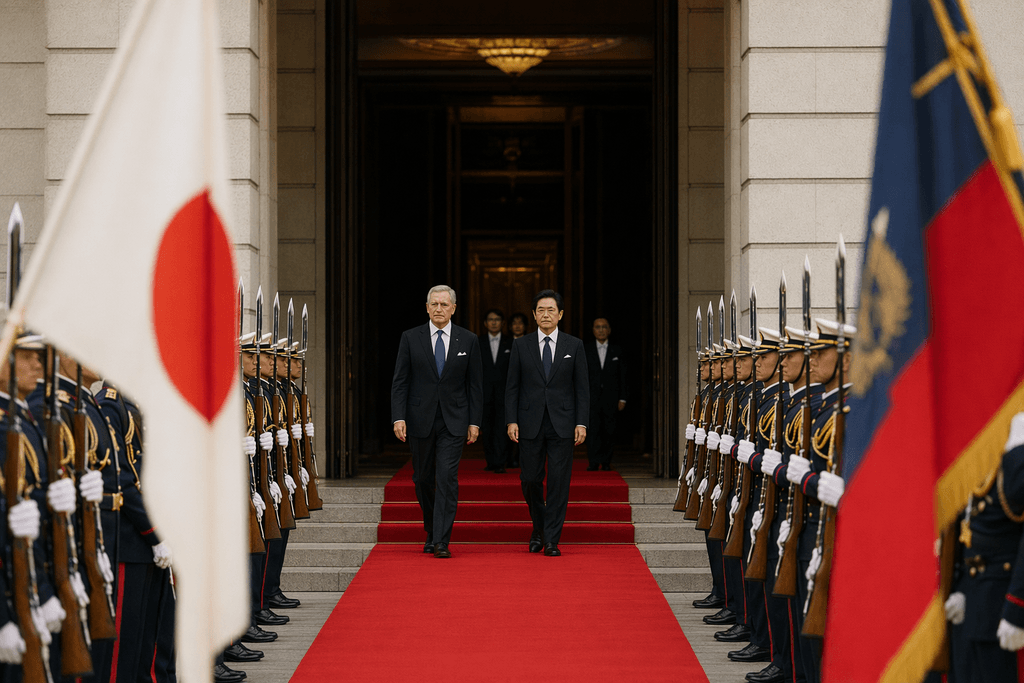
厳か
庄严
厳か
庄严
Explanation
厳か
庄严
厳か
庄严 / 肃穆 / 庄重
Word Forms
The basic and commonly used forms of this adjectival noun.
Basic forms
| Form | Word form | Usage |
|---|---|---|
| Imperfective form (mizenkei) | Used in forms such as darou. | |
| Continuative form (renyokei) |
Alternative:
厳かに
厳かだっ
|
Used with de or ni. |
| Conclusive form (shushikei) | Ends a sentence with da. | |
| Attributive form (rentaikei) |
Alternative:
厳かなる
|
Modifies a noun with na. |
| Conditional form (kateikei) | Expresses a condition with nara. | |
| Imperative form (meireikei) | Used in formal expressions such as de are. |
Common forms
| Form | Word form | Usage |
|---|---|---|
| Te-form equivalent | Connects clauses using de. | |
| Ta-form | Expresses the past with datta. | |
| Nai-form |
Alternative:
厳かじゃない
|
Expresses negation with dewa nai or ja nai. |
| Desu-form | Used for polite speech. |
Notes
Loading...

JLPT N1 多言語単語帳・3032語 / JLPT N1 Multilingual Vocabulary: 3032 Words

Jonathan Waller 氏の JLPT Resources の語彙リスト・レベル分類を出典とし、CC BY の条件に従って DiQt が学習者向けに意味を作り直した3032語の単語帳です。JLPT公式の語彙リストではありません。
This collection of 3032 words is based on the vocabulary list and level classifications in Jonathan Waller’s JLPT Resources under CC BY, with meanings rewritten by DiQt for learners. It is not an official JLPT vocabulary list.
Key Operations
Select the first quiz:
Ctrl + Enter
View Explanation:Ctrl + G
Close a feedback:Esc
When selecting a quiz
Answer:Enter
Select a choice:↓ or ↑
Reading out the question:Ctrl + K
View Hint: Ctrl + M
I don't know: Ctrl + Y



