
JLPT N1 词义四选一 - Unsolved

通过四选一题目,用简体中文学习JLPT N1的3032个单词含义。
-
最重要的是
-
何况
-
也许
-
劝告
-
错误
-
玩具
-
起疹子 / 迷上
-
值得 / 配得上
-
舔 / 轻视
-
尤其
-
准确地 / 紧紧地
-
想必
-
工资
-
到达
-
外交部长
-
参议院
-
联合国
-
皇宫
-
听讲
-
录用 / 采用
-
所在
-
宅院
-
治安
-
崩溃 / 放射性衰变
-
乏力的
-
轻而易举的
-
寒酸的
- 命令形「清々しかれ」は現代語では稀。
-
分娩
-
斗志
-
征收
一向
丝毫不
一向
丝毫不
Explanation
一向
丝毫不
一向
完全地 / 一点也不;毫不(用于否定)

( Base form )
( romanization )
( hiragana )
動揺
动摇 / 摇晃
動揺
动摇 / 摇晃
Explanation
動揺
动摇 / 摇晃
動揺
震动;摇晃 / 波动;动荡

( Base form )
( romanization )
( hiragana )
縮まる
缩小
縮まる
缩小
Explanation
縮まる
缩小
縮まる
缩短 / 收缩 / 缩小差距

Word Forms
The basic and commonly used forms of this verb.
Basic forms
| Form | Word form | Usage |
|---|---|---|
| Imperfective form (mizenkei) |
Alternative:
縮まろ
|
Connects to endings such as nai, reru, and seru. |
| Continuative form (renyokei) | Connects to endings such as masu, tai, and ta. | |
| Conclusive form (shushikei) | Ends a sentence and serves as the dictionary form. | |
| Attributive form (rentaikei) | Modifies a noun. | |
| Conditional form (kateikei) | Combines with ba to express a condition. | |
| Imperative form (meireikei) | Expresses a command or instruction. |
Common forms
恐らく
恐怕
恐らく
恐怕
Explanation
恐らく
恐怕
恐らく
大概 / 很可能 / 恐怕

( Base form )
( romanization )
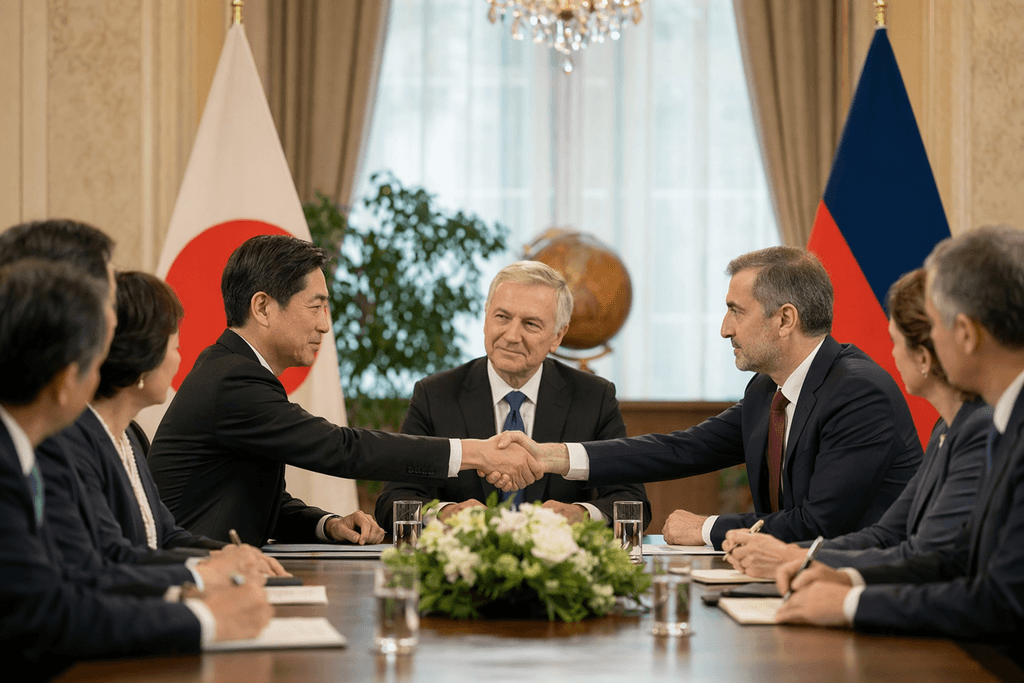
国交
外交关系
国交
外交关系
Explanation
国交
外交关系
国交
外交关系 / 邦交 / 国与国之间的外交往来
( Base form )
( romanization )
( kyūjitai )
( hiragana )
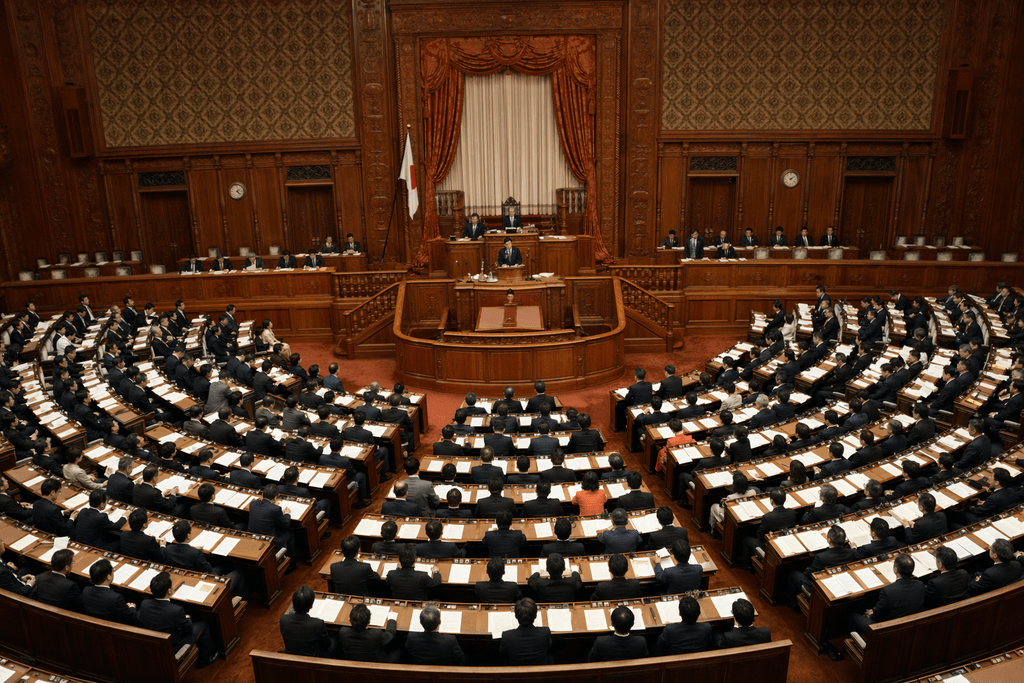
衆議院
众议院
衆議院
众议院
Explanation
衆議院
众议院
衆議院
日本众议院 / 日本国会下议院
( Base form )
( romanization )
( romanization )
( hiragana historical )
( hiragana )
目盛
刻度
目盛
刻度
Explanation
目盛
刻度
目盛
刻度 / 刻度线 / 刻度标记

落ち葉
落叶
落ち葉
落叶
Explanation
落ち葉
落叶
落ち葉
落叶 / 掉落的树叶

( romanization )
( romanization )
( hiragana historical )
清々しい
清新的
清々しい
清新的
Explanation
清々しい
清新的
清々しい
清爽的 / 清新的 / 令人神清气爽的

Word Forms
The basic and commonly used forms of this adjective.
Basic forms
| Form | Word form | Usage |
|---|---|---|
| Imperfective form (mizenkei) | Used in forms such as karou; mainly literary. | |
| Continuative form (renyokei) |
Alternative:
清々しかっ
|
Used in forms such as kute and kunai. |
| Conclusive form (shushikei) | Ends a sentence. | |
| Attributive form (rentaikei) | Modifies a noun. | |
| Conditional form (kateikei) | Expresses a condition with kereba. | |
| Imperative form (meireikei) | Rarely used in modern Japanese. |
Common forms
| Form | Word form | Usage |
|---|---|---|
| Te-form | Connects clauses with kute. | |
| Ta-form | Expresses the past with katta. | |
| Nai-form | Expresses negation with kunai. | |
| Ba-form | Expresses a condition with kereba. |
Notes
未婚
未婚状态
未婚
未婚状态
Explanation
未婚
未婚状态
未婚
未结婚 / 从未结过婚

( Base form )
( romanization )
( hiragana )
Loading...

JLPT N1 多言語単語帳・3032語 / JLPT N1 Multilingual Vocabulary: 3032 Words

Jonathan Waller 氏の JLPT Resources の語彙リスト・レベル分類を出典とし、CC BY の条件に従って DiQt が学習者向けに意味を作り直した3032語の単語帳です。JLPT公式の語彙リストではありません。
This collection of 3032 words is based on the vocabulary list and level classifications in Jonathan Waller’s JLPT Resources under CC BY, with meanings rewritten by DiQt for learners. It is not an official JLPT vocabulary list.
Key Operations
Select the first quiz:
Ctrl + Enter
View Explanation:Ctrl + G
Close a feedback:Esc
When selecting a quiz
Answer:Enter
Select a choice:↓ or ↑
Reading out the question:Ctrl + K
View Hint: Ctrl + M
I don't know: Ctrl + Y



