
JLPT N1 词义四选一 - Unsolved

通过四选一题目,用简体中文学习JLPT N1的3032个单词含义。
-
顺利
-
迟钝的
-
简便
- 「こげ茶」は名詞的にも用いられ、連体修飾では「こげ茶の」が一般的です。
-
禅宗
-
流通
-
衣摆 / 山麓
-
受理
-
舞蹈 / 飞舞
-
盟誓
-
询问
-
塞进
-
毁灭
- 漢字表記は「出くわす」。
-
协定
-
敏感性
-
秘书
-
懈怠
-
准快车
-
正义
-
末位
-
赠品 / 折扣
-
特产
-
炸弹
-
清晰
-
躯干
-
中止
-
款待
-
十分相似
- 「目をつぶる」の意味で用いる。漢字表記は「瞑る」。
- 同字で「つむる」とも読まれることがある。
-
扭曲
-
贬低
-
衰弱 / 衰退
こげ茶
深褐色的
こげ茶
深褐色的
Explanation
こげ茶
深褐色的
こげ茶
深棕色的 / 深褐色的 / 深咖啡色的

Word Forms
The basic and commonly used forms of this adjectival noun.
Basic forms
| Form | Word form | Usage |
|---|---|---|
| Imperfective form (mizenkei) | Used in forms such as darou. | |
| Continuative form (renyokei) |
Alternative:
こげ茶に
こげ茶だっ
|
Used with de or ni. |
| Conclusive form (shushikei) | Ends a sentence with da. | |
| Attributive form (rentaikei) |
Alternative:
こげ茶の
|
Modifies a noun with na. |
| Conditional form (kateikei) |
Alternative:
こげ茶ならば
|
Expresses a condition with nara. |
| Imperative form (meireikei) | Used in formal expressions such as de are. |
Common forms
| Form | Word form | Usage |
|---|---|---|
| Te-form equivalent | Connects clauses using de. | |
| Ta-form | Expresses the past with datta. | |
| Nai-form |
Alternative:
こげ茶じゃない
|
Expresses negation with dewa nai or ja nai. |
| Desu-form | Used for polite speech. |
Notes
あられ
米果 / 霰
あられ
米果 / 霰
Explanation
米果 / 霰
あられ
霰(细小的冰雹、软雹) / 小方块、小粒 / 小块烤年糕(米果类零食)

( romanization )
冴える
清澈 / 敏锐
冴える
清澈 / 敏锐
Explanation
冴える
清澈 / 敏锐
冴える
清晰鲜明 / 技艺纯熟 / 头脑清醒敏锐

Word Forms
The basic and commonly used forms of this verb.
Basic forms
| Form | Word form | Usage |
|---|---|---|
| Imperfective form (mizenkei) | Connects to endings such as nai, reru, and seru. | |
| Continuative form (renyokei) | Connects to endings such as masu, tai, and ta. | |
| Conclusive form (shushikei) | Ends a sentence and serves as the dictionary form. | |
| Attributive form (rentaikei) | Modifies a noun. | |
| Conditional form (kateikei) | Combines with ba to express a condition. | |
| Imperative form (meireikei) |
Alternative:
冴えよ
|
Expresses a command or instruction. |
Common forms
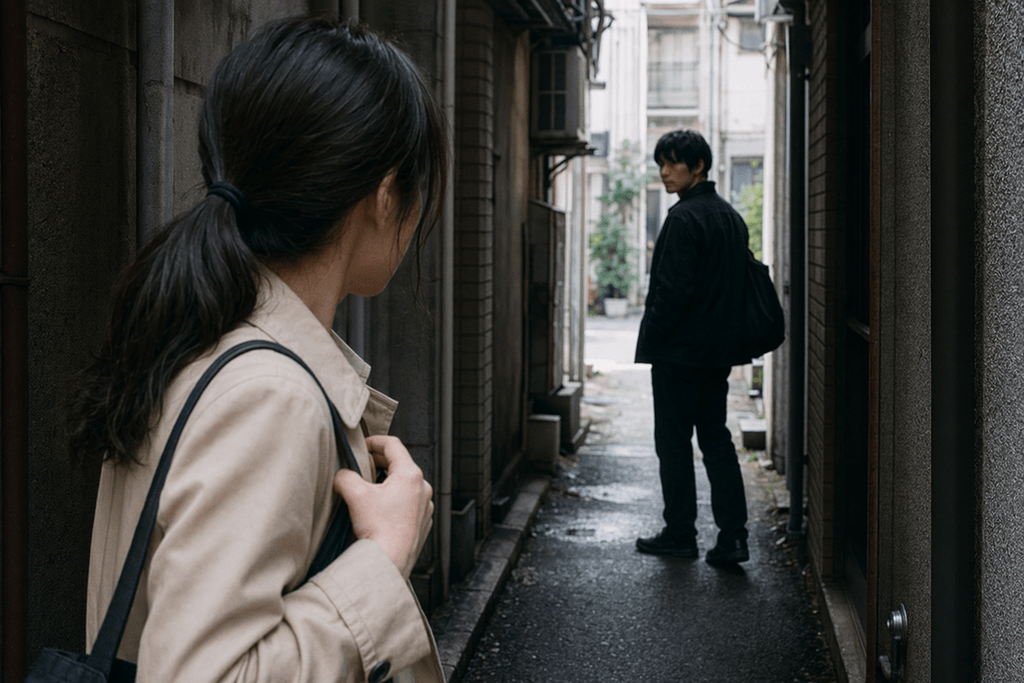
でくわす
偶遇
でくわす
偶遇
Explanation
偶遇
でくわす
偶然遇到 / 碰见 / 遇上
Word Forms
The basic and commonly used forms of this verb.
Basic forms
| Form | Word form | Usage |
|---|---|---|
| Imperfective form (mizenkei) |
Alternative:
でくわそ
|
Connects to endings such as nai, reru, and seru. |
| Continuative form (renyokei) | Connects to endings such as masu, tai, and ta. | |
| Conclusive form (shushikei) | Ends a sentence and serves as the dictionary form. | |
| Attributive form (rentaikei) | Modifies a noun. | |
| Conditional form (kateikei) | Combines with ba to express a condition. | |
| Imperative form (meireikei) | Expresses a command or instruction. |
Common forms
| Form | Word form | Usage |
|---|---|---|
| Te-form | Connects clauses with te. | |
| Ta-form | Expresses the past with ta. | |
| Nai-form | Expresses negation with nai. | |
| Masu-form | Used for polite speech. | |
| Ba-form | Expresses a condition with ba. | |
| Volitional form | Expresses intention or invitation. |
Notes
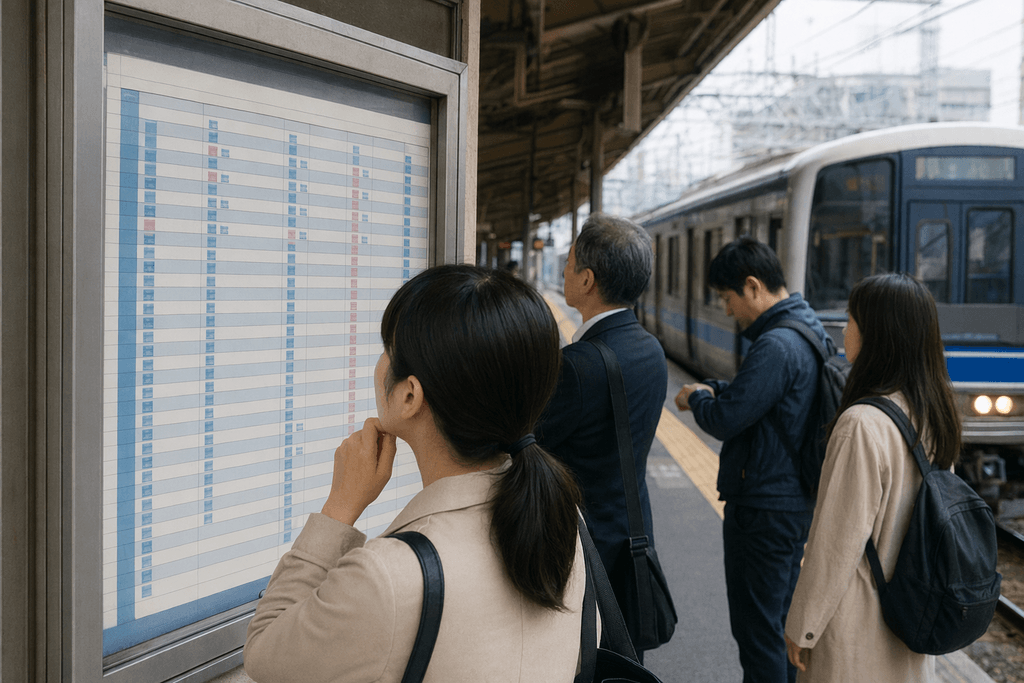
時刻表
时刻表
時刻表
时刻表
Explanation
時刻表
时刻表
時刻表
交通时刻表 / 列车、公交、航班等运行时间表
( Base form )
( romanization )
( hiragana )
好況
经济繁荣
好況
经济繁荣
Explanation
好況
经济繁荣
好況
经济繁荣 / 景气高涨 / 经济兴旺

( Base form )
( romanization )
( hiragana )
視察
视察
視察
视察
Explanation
視察
视察
視察
实地考察 / 现场检查 / 视察活动

( Base form )
( romanization )
( hiragana )
荷造り
打包
荷造り
打包
Explanation
荷造り
打包
荷造り
打包 / 包装(货物) / 收拾行李

( romanization )
( romanization )
( hiragana historical )
つぶる
闭眼
つぶる
闭眼
Explanation
闭眼
つぶる
闭上眼睛 / 合上眼睛 / 闭眼

Word Forms
The basic and commonly used forms of this verb.
Basic forms
| Form | Word form | Usage |
|---|---|---|
| Imperfective form (mizenkei) | Connects to endings such as nai, reru, and seru. | |
| Continuative form (renyokei) |
Alternative:
つぶっ
|
Connects to endings such as masu, tai, and ta. |
| Conclusive form (shushikei) | Ends a sentence and serves as the dictionary form. | |
| Attributive form (rentaikei) | Modifies a noun. | |
| Conditional form (kateikei) | Combines with ba to express a condition. | |
| Imperative form (meireikei) | Expresses a command or instruction. |
Common forms
| Form | Word form | Usage |
|---|---|---|
| Te-form | Connects clauses with te. | |
| Ta-form | Expresses the past with ta. | |
| Nai-form | Expresses negation with nai. | |
| Masu-form | Used for polite speech. | |
| Ba-form | Expresses a condition with ba. | |
| Volitional form | Expresses intention or invitation. |
Notes
尊ぶ
珍视
尊ぶ
珍视
Explanation
尊ぶ
珍视
尊ぶ
尊敬 / 重视 / 崇敬

Word Forms
The basic and commonly used forms of this verb.
Basic forms
| Form | Word form | Usage |
|---|---|---|
| Imperfective form (mizenkei) |
Alternative:
尊ぼ
|
Connects to endings such as nai, reru, and seru. |
| Continuative form (renyokei) |
Alternative:
尊ん
|
Connects to endings such as masu, tai, and ta. |
| Conclusive form (shushikei) | Ends a sentence and serves as the dictionary form. | |
| Attributive form (rentaikei) | Modifies a noun. | |
| Conditional form (kateikei) | Combines with ba to express a condition. | |
| Imperative form (meireikei) | Expresses a command or instruction. |
Common forms
Loading...

JLPT N1 多言語単語帳・3032語 / JLPT N1 Multilingual Vocabulary: 3032 Words

Jonathan Waller 氏の JLPT Resources の語彙リスト・レベル分類を出典とし、CC BY の条件に従って DiQt が学習者向けに意味を作り直した3032語の単語帳です。JLPT公式の語彙リストではありません。
This collection of 3032 words is based on the vocabulary list and level classifications in Jonathan Waller’s JLPT Resources under CC BY, with meanings rewritten by DiQt for learners. It is not an official JLPT vocabulary list.
Key Operations
Select the first quiz:
Ctrl + Enter
View Explanation:Ctrl + G
Close a feedback:Esc
When selecting a quiz
Answer:Enter
Select a choice:↓ or ↑
Reading out the question:Ctrl + K
View Hint: Ctrl + M
I don't know: Ctrl + Y



