
JLPT N1 词义四选一 - Unsolved

通过四选一题目,用简体中文学习JLPT N1的3032个单词含义。
-
夸张
-
时段
-
中间
-
政权 / 执政政府
-
扩散
-
明细
-
晚安
-
喂
-
谢谢
-
生意兴隆
-
自负
-
比率
-
保温
-
预感
-
膨胀
-
正文
-
贵族
-
立场
-
盛大的
-
柔韧的
-
猛烈的
-
平的 / 浅显的
-
微温的 / 不彻底的
-
强健的
- 口語的・やや古風なイ形容詞。
-
追究
-
林业
-
分离
-
脆弱的 / 易动感情的
-
荒唐的
-
复杂的
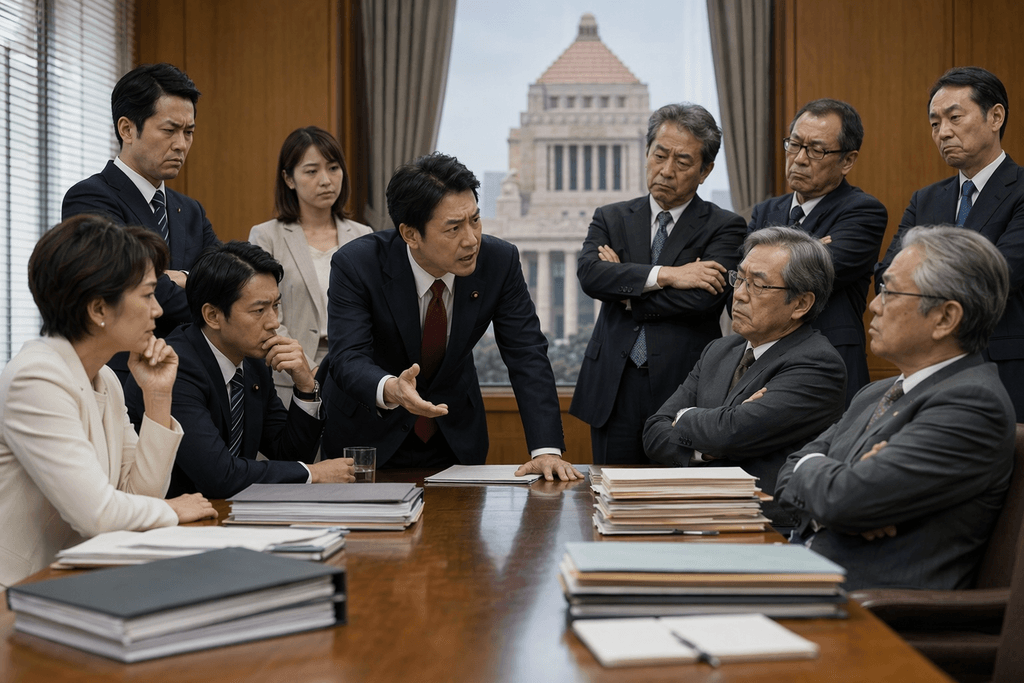
政権
政权 / 执政政府
政権
政权 / 执政政府
Explanation
政権
政权 / 执政政府
政権
政权 / 执政当局 / 现任政府
( Base form )
( romanization )
( kyūjitai )
( hiragana )
講読
讲读
講読
讲读
Explanation
講読
讲读
講読
讲解式阅读(文本) / 课堂读解;读书课 / (对原文的)读译与讲评

ご馳走様
多谢款待
ご馳走様
多谢款待
Explanation
ご馳走様
多谢款待
ご馳走様
盛宴(敬语) / 丰盛的款待(敬语)

( Base form )
( romanization )
( hiragana )
誇張
夸张
誇張
夸张
Explanation
誇張
夸张
誇張
对事实进行过度扩大或缩小的表达 / 夸大其词的陈述方式 / 修辞手法:以远超真实的描述增强效果

( Base form )
( romanization )
( hiragana )
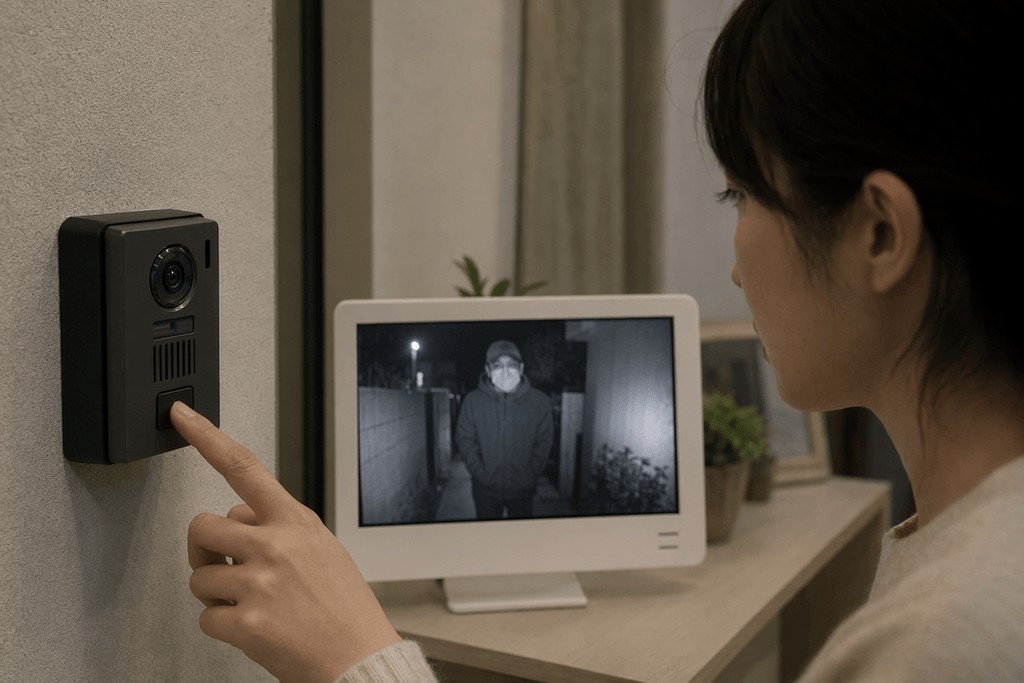
インターホン
对讲机
インターホン
对讲机
Explanation
对讲机
インターホン
对讲机 / 门铃对讲系统 / 内部通话装置
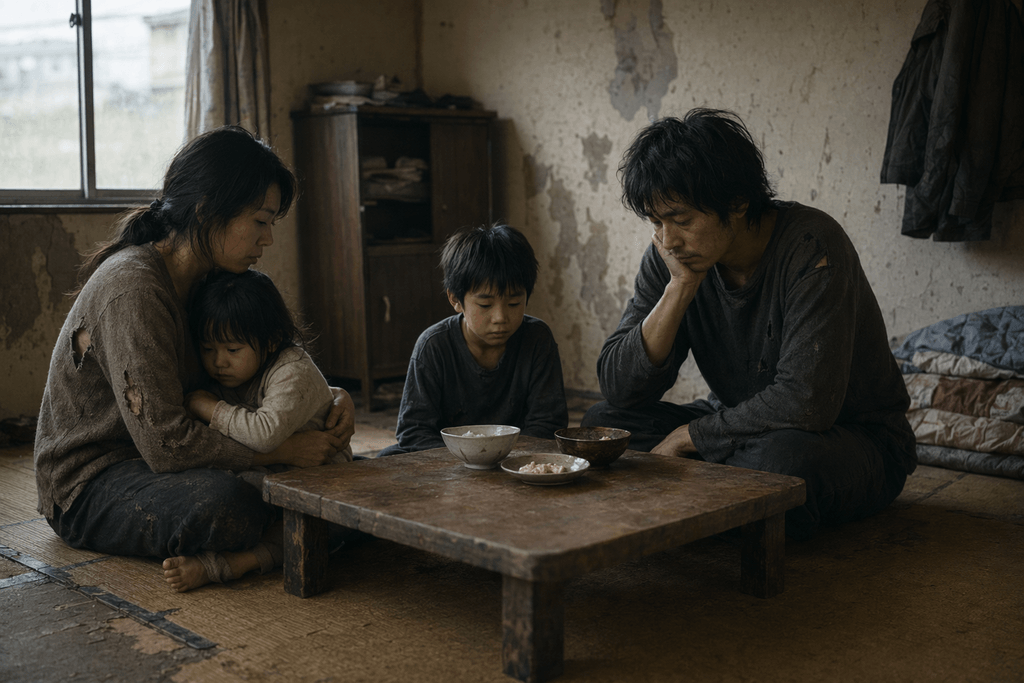
貧乏
穷困
貧乏
穷困
Explanation
貧乏
穷困
貧乏
贫困 / 贫穷 / 穷困
( Base form )
( romanization )
( hiragana )
( table-tags )
( inflection-template )
( imperfective stem )
( imperfective stem )
( imperfective )
( continuative stem )
( continuative stem )
( continuative )
( stem terminative )
( stem terminative )
( terminative )
( attributive stem )
( attributive stem )
( attributive )
( hypothetical stem )
( hypothetical stem )
( hypothetical )
( Imperative literary stem )
( colloquial Imperative stem )
( Imperative literary stem )
( colloquial Imperative stem )
( Imperative literary )
( colloquial Imperative )
( Passive voice )
( Passive voice )
( Passive voice )
( causative )
( causative )
( causative )
( causative )
( causative )
( causative )
( potential )
( potential )
( potential )
( volitional )
( volitional )
( volitional )
( negative )
( negative )
( negative )
( continuative negative )
( continuative negative )
( continuative negative )
( formal )
( formal )
( formal )
( perfective )
( perfective )
( perfective )
( conjunctive )
( conjunctive )
( conjunctive )
( Conditional hypothetical )
( Conditional hypothetical )
( Conditional hypothetical )
長閑
宁静的
長閑
宁静的
Explanation
長閑
宁静的
長閑
宁静的;安详的 / 温和的(指天气、气候) / 悠闲的;清闲的(长久的闲适)

Word Forms
The basic and commonly used forms of this adjectival noun.
Basic forms
| Form | Word form | Usage |
|---|---|---|
| Imperfective form (mizenkei) | Used in forms such as darou. | |
| Continuative form (renyokei) |
Alternative:
長閑に
長閑だっ
|
Used with de or ni. |
| Conclusive form (shushikei) | Ends a sentence with da. | |
| Attributive form (rentaikei) | Modifies a noun with na. | |
| Conditional form (kateikei) | Expresses a condition with nara. | |
| Imperative form (meireikei) | Used in formal expressions such as de are. |
Common forms
おっかない
可怕
おっかない
可怕
Explanation
可怕
おっかない
可怕的 / 吓人的 / 令人害怕的

Word Forms
The basic and commonly used forms of this adjective.
Basic forms
| Form | Word form | Usage |
|---|---|---|
| Imperfective form (mizenkei) | Used in forms such as karou; mainly literary. | |
| Continuative form (renyokei) |
Alternative:
おっかなかっ
|
Used in forms such as kute and kunai. |
| Conclusive form (shushikei) | Ends a sentence. | |
| Attributive form (rentaikei) | Modifies a noun. | |
| Conditional form (kateikei) | Expresses a condition with kereba. | |
| Imperative form (meireikei) | Rarely used in modern Japanese. |
Common forms
| Form | Word form | Usage |
|---|---|---|
| Te-form | Connects clauses with kute. | |
| Ta-form | Expresses the past with katta. | |
| Nai-form | Expresses negation with kunai. | |
| Ba-form | Expresses a condition with kereba. |
Notes
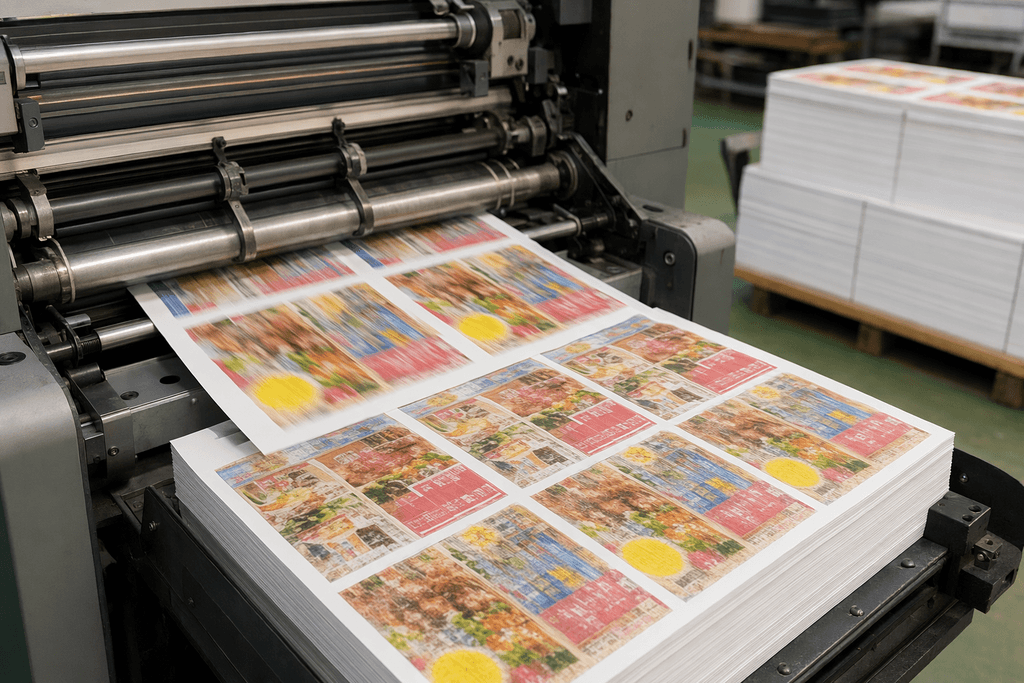
刷り
印刷
刷り
印刷
Explanation
刷り
印刷
刷り
印刷(行为或过程) / 印次(某一批次的印刷) / 印刷品;印刷成品
( Base form )
( romanization )
眩しい
耀眼的
眩しい
耀眼的
Explanation
眩しい
耀眼的
眩しい
耀眼的 / 刺眼的 / 明亮的

Word Forms
The basic and commonly used forms of this adjective.
Basic forms
| Form | Word form | Usage |
|---|---|---|
| Imperfective form (mizenkei) | Used in forms such as karou; mainly literary. | |
| Continuative form (renyokei) |
Alternative:
眩しかっ
|
Used in forms such as kute and kunai. |
| Conclusive form (shushikei) | Ends a sentence. | |
| Attributive form (rentaikei) | Modifies a noun. | |
| Conditional form (kateikei) | Expresses a condition with kereba. | |
| Imperative form (meireikei) | Rarely used in modern Japanese. |
Common forms
Loading...

JLPT N1 多言語単語帳・3032語 / JLPT N1 Multilingual Vocabulary: 3032 Words

Jonathan Waller 氏の JLPT Resources の語彙リスト・レベル分類を出典とし、CC BY の条件に従って DiQt が学習者向けに意味を作り直した3032語の単語帳です。JLPT公式の語彙リストではありません。
This collection of 3032 words is based on the vocabulary list and level classifications in Jonathan Waller’s JLPT Resources under CC BY, with meanings rewritten by DiQt for learners. It is not an official JLPT vocabulary list.
Key Operations
Select the first quiz:
Ctrl + Enter
View Explanation:Ctrl + G
Close a feedback:Esc
When selecting a quiz
Answer:Enter
Select a choice:↓ or ↑
Reading out the question:Ctrl + K
View Hint: Ctrl + M
I don't know: Ctrl + Y



