
JLPT N1 词义四选一 - Unsolved

通过四选一题目,用简体中文学习JLPT N1的3032个单词含义。
-
智力的 / 有才智的
-
一样的
-
肥大的
-
经营 / 举行
-
看漏
-
干劲十足
-
领悟 / 开悟
-
接受
-
达到 / 波及
-
捏起
-
织
-
带来
-
洋流
-
标语
-
大众
-
贪婪的
-
怕痒的
-
卑鄙
- 「ない」を含むが、語全体でイ形容詞として活用する。
-
前些时候
-
身高 / 长度
-
盲点
-
轮流
-
满以为
-
长长一排
-
镇政府
-
财政
-
宽恕
-
推进力 / 推动
-
改编剧本 / 添油加醋
-
起源
長大
极长的
長大
极长的
Explanation
長大
极长的
長大
很长且巨大 / 规模宏大 / 范围广泛

Word Forms
The basic and commonly used forms of this adjectival noun.
Basic forms
| Form | Word form | Usage |
|---|---|---|
| Imperfective form (mizenkei) | Used in forms such as darou. | |
| Continuative form (renyokei) |
Alternative:
長大に
|
Used with de or ni. |
| Conclusive form (shushikei) | Ends a sentence with da. | |
| Attributive form (rentaikei) | Modifies a noun with na. | |
| Conditional form (kateikei) | Expresses a condition with nara. | |
| Imperative form (meireikei) | Used in formal expressions such as de are. |
Common forms
つねる
掐
つねる
掐
Explanation
掐
つねる
掐 / 捏(皮肤) / 拧

Word Forms
The basic and commonly used forms of this verb.
Basic forms
| Form | Word form | Usage |
|---|---|---|
| Imperfective form (mizenkei) | Connects to endings such as nai, reru, and seru. | |
| Continuative form (renyokei) |
Alternative:
つねっ
|
Connects to endings such as masu, tai, and ta. |
| Conclusive form (shushikei) | Ends a sentence and serves as the dictionary form. | |
| Attributive form (rentaikei) | Modifies a noun. | |
| Conditional form (kateikei) | Combines with ba to express a condition. | |
| Imperative form (meireikei) | Expresses a command or instruction. |
Common forms
誇る
引以为傲
誇る
引以为傲
Explanation
誇る
引以为傲
誇る
引以为傲 / 以……为荣 / 夸耀(拥有)

Word Forms
The basic and commonly used forms of this verb.
Basic forms
| Form | Word form | Usage |
|---|---|---|
| Imperfective form (mizenkei) | Connects to endings such as nai, reru, and seru. | |
| Continuative form (renyokei) | Connects to endings such as masu, tai, and ta. | |
| Conclusive form (shushikei) | Ends a sentence and serves as the dictionary form. | |
| Attributive form (rentaikei) | Modifies a noun. | |
| Conditional form (kateikei) | Combines with ba to express a condition. | |
| Imperative form (meireikei) | Expresses a command or instruction. |
Common forms
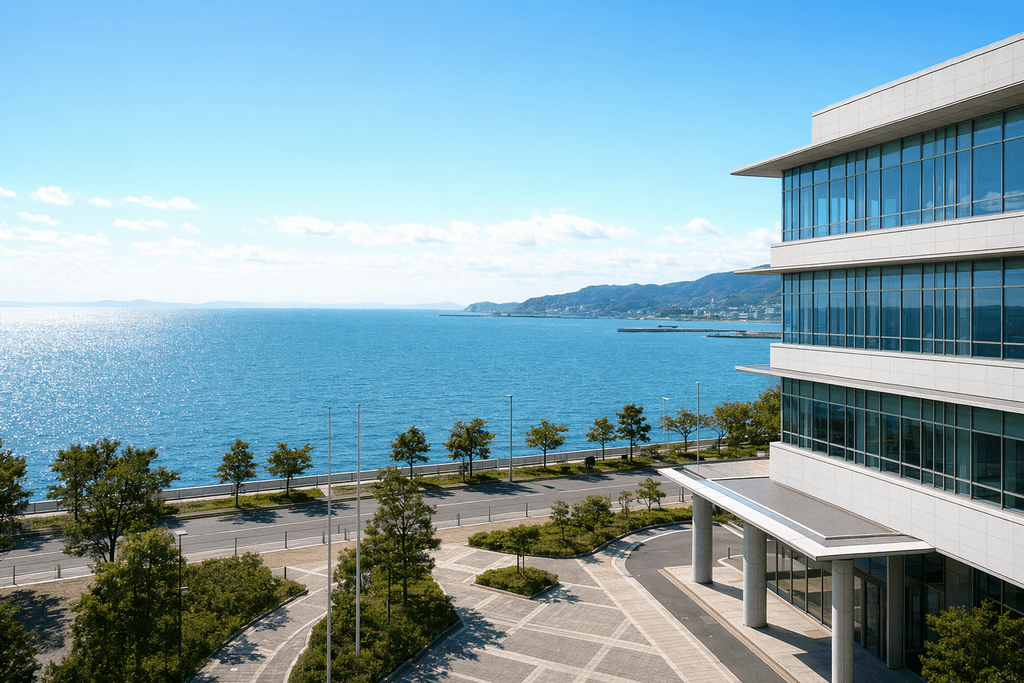
面する
朝向
面する
朝向
Explanation
面する
朝向
面する
面向;朝向 / 临(海、街道等) / 面对;直面
Word Forms
The basic and commonly used forms of this verb.
Basic forms
| Form | Word form | Usage |
|---|---|---|
| Imperfective form (mizenkei) |
Alternative:
面せ
面さ
|
Connects to endings such as nai, reru, and seru. |
| Continuative form (renyokei) | Connects to endings such as masu, tai, and ta. | |
| Conclusive form (shushikei) | Ends a sentence and serves as the dictionary form. | |
| Attributive form (rentaikei) | Modifies a noun. | |
| Conditional form (kateikei) | Combines with ba to express a condition. | |
| Imperative form (meireikei) |
Alternative:
面せよ
|
Expresses a command or instruction. |
Common forms
ずぶ濡れ
浑身湿透
ずぶ濡れ
浑身湿透
Explanation
ずぶ濡れ
浑身湿透
ずぶ濡れ
浑身湿透 / 湿得滴水 / 全身湿淋淋

( Base form )
( romanization )
物足りない
不够满意的
物足りない
不够满意的
Explanation
物足りない
不够满意的
物足りない
不尽如人意 / 不够满意 / 让人意犹未尽

Word Forms
The basic and commonly used forms of this adjective.
Basic forms
| Form | Word form | Usage |
|---|---|---|
| Imperfective form (mizenkei) | Used in forms such as karou; mainly literary. | |
| Continuative form (renyokei) |
Alternative:
物足りなかっ
|
Used in forms such as kute and kunai. |
| Conclusive form (shushikei) | Ends a sentence. | |
| Attributive form (rentaikei) | Modifies a noun. | |
| Conditional form (kateikei) | Expresses a condition with kereba. | |
| Imperative form (meireikei) | Rarely used in modern Japanese. |
Common forms
| Form | Word form | Usage |
|---|---|---|
| Te-form | Connects clauses with kute. | |
| Ta-form | Expresses the past with katta. | |
| Nai-form | Expresses negation with kunai. | |
| Ba-form | Expresses a condition with kereba. |
Notes
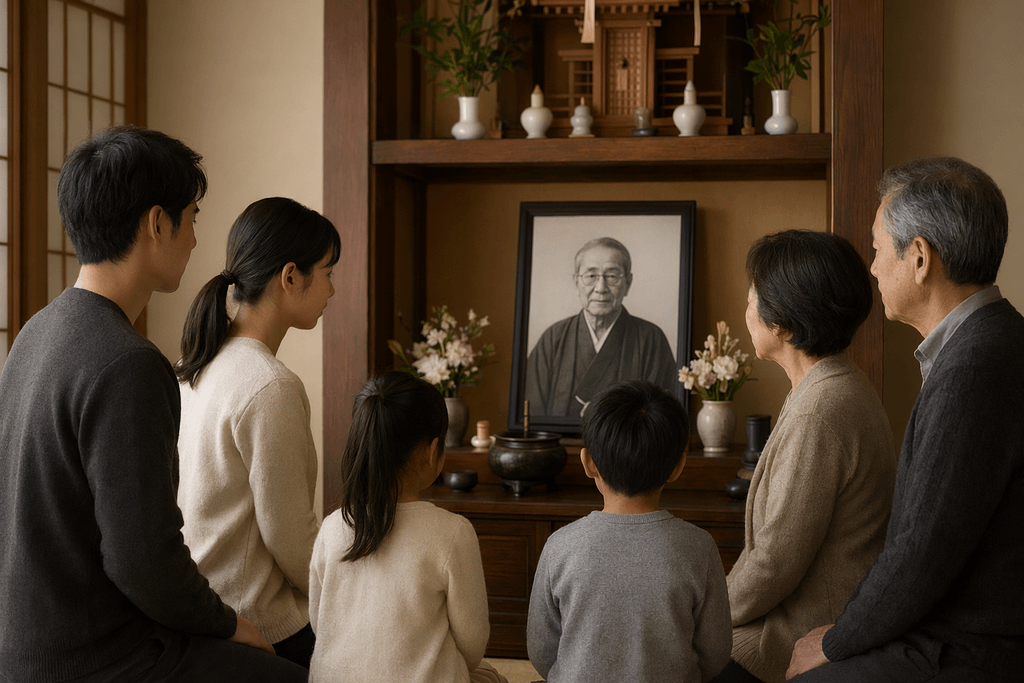
先代
上一代
先代
上一代
Explanation
先代
上一代
先代
前任家主、店主或公司负责人 / 同名的前任表演者 / 前代;上一代
( Base form )
( romanization )
( hiragana )
うんざり
厌烦
うんざり
厌烦
Explanation
厌烦
うんざり
厌烦地 / 厌倦地 / 不耐烦地

( Base form )
( Base form )
( romanization )
秘書
秘书
秘書
秘书
Explanation
秘書
秘书
秘書
负责记录、文书与事务处理的工作人员 / 为上级或个人安排日程并协助处理行政事务的助理

( Base form )
( romanization )
( hiragana )
対辺
对边
対辺
对边
Explanation
対辺
对边
対辺
(几何)三角形中与某一角相对的边 / (几何)与另一边相对、互不相邻的一边

( Base form )
( romanization )
( kyūjitai )
( hiragana )
Loading...

JLPT N1 多言語単語帳・3032語 / JLPT N1 Multilingual Vocabulary: 3032 Words

Jonathan Waller 氏の JLPT Resources の語彙リスト・レベル分類を出典とし、CC BY の条件に従って DiQt が学習者向けに意味を作り直した3032語の単語帳です。JLPT公式の語彙リストではありません。
This collection of 3032 words is based on the vocabulary list and level classifications in Jonathan Waller’s JLPT Resources under CC BY, with meanings rewritten by DiQt for learners. It is not an official JLPT vocabulary list.
Key Operations
Select the first quiz:
Ctrl + Enter
View Explanation:Ctrl + G
Close a feedback:Esc
When selecting a quiz
Answer:Enter
Select a choice:↓ or ↑
Reading out the question:Ctrl + K
View Hint: Ctrl + M
I don't know: Ctrl + Y



