
JLPT N1 词义四选一 - Unsolved

通过四选一题目,用简体中文学习JLPT N1的3032个单词含义。
-
误差
-
开工
-
辩解
-
完成状态
-
财源
-
申报
-
按摩
-
职员
-
分离
-
申报 / 报税
-
人事调动
-
无言以对 / 厌烦
-
定义
-
解剖 / 尸检
-
全盛时期
-
调职
-
朗诵
-
城下
-
担心 / 思索
-
逃离
-
吸取教训
-
膨胀
-
顾虑
-
调味 / 酌情考虑
-
肩负
-
锻炼 / 锻造
-
阻碍
-
设立 / 摆好架势
-
敬仰 / 请教
-
完成
- 「興ずる」の上一段化した形。
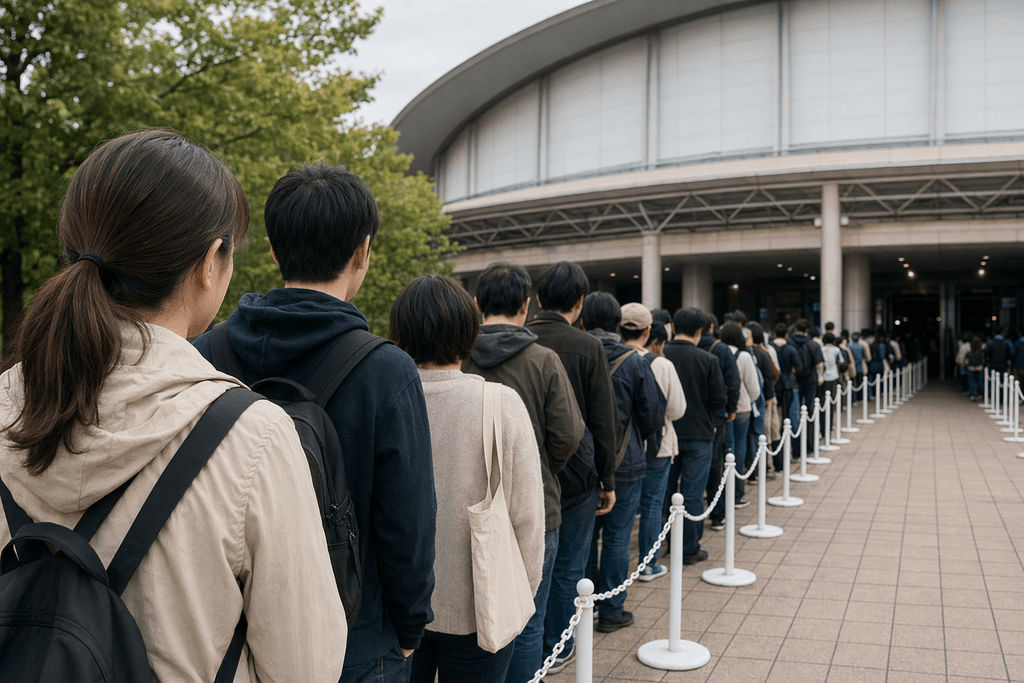
先着
先到
先着
先到
Explanation
先着
先到
先着
先到者 / 最先到达的人 / 先来者
( Base form )
( romanization )
( hiragana )
同意
同意 / 同义
同意
同意 / 同义
Explanation
同意
同意 / 同义
同意
赞成或允许的表示 / 一致意见;赞同 / 同义;意义相同

( Base form )
( romanization )
( hiragana )
駄作
劣作
駄作
劣作
Explanation
駄作
劣作
駄作
劣作 / 拙劣的作品 / 粗制滥造的作品

( Base form )
( romanization )
( hiragana )
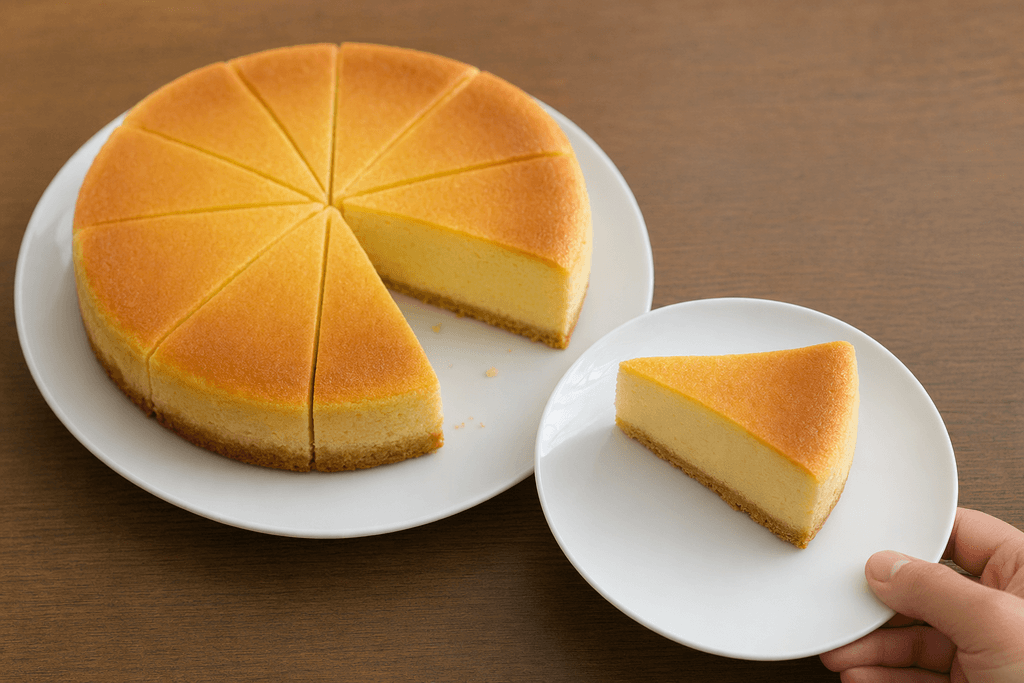
一部
一部分 / 一份
一部
一部分 / 一份
Explanation
一部
一部分 / 一份
一部
部分;一部分 / 一份(报纸或书籍)
( Base form )
( romanization )
( hiragana )
憤慨
愤慨
憤慨
愤慨
Explanation
憤慨
愤慨
憤慨
强烈的愤怒与不平 / 对不公不义的义愤 / 怨恨与不满的情绪

( Base form )
( romanization )
( hiragana )
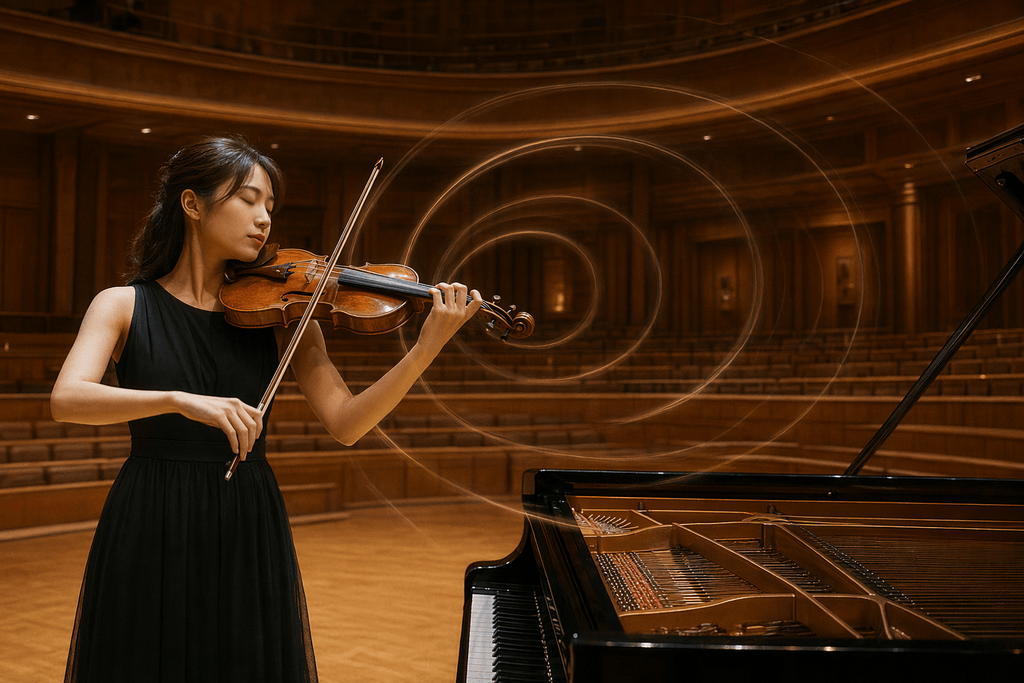
共鳴
共振 / 共鸣
共鳴
共振 / 共鸣
Explanation
共鳴
共振 / 共鸣
共鳴
物体(如弦、声腔)因频率一致而发生的共振 / 对他人观点或情感的同感、认同
( Base form )
( romanization )
( hiragana )
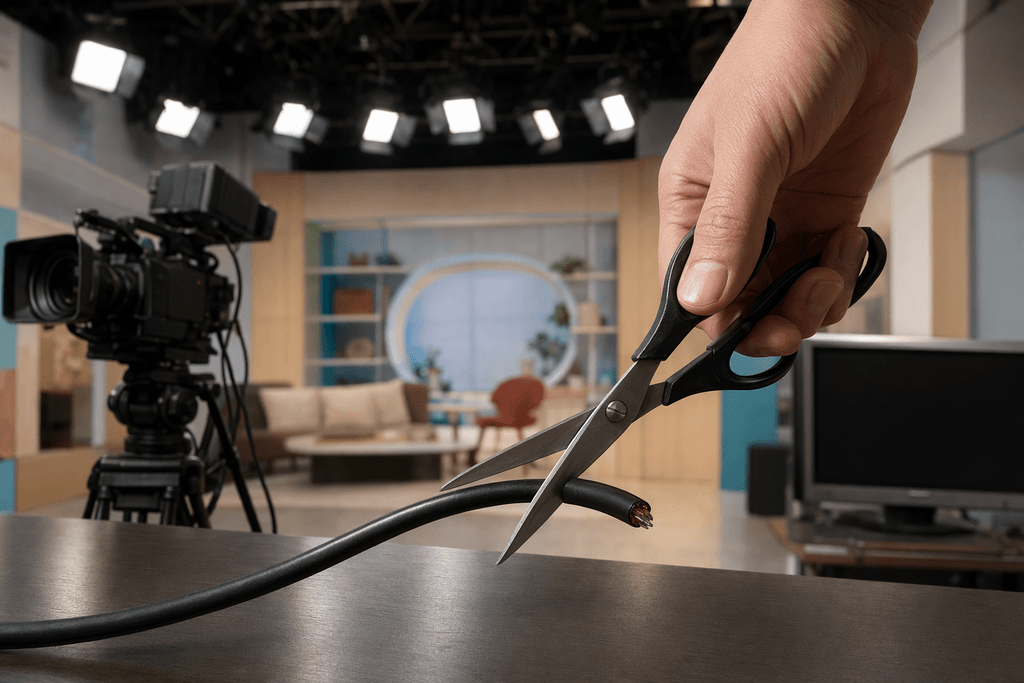
打ち切る
中止
打ち切る
中止
Explanation
打ち切る
中止
打ち切る
终止 / 中止 / 结束
Word Forms
The basic and commonly used forms of this verb.
Basic forms
| Form | Word form | Usage |
|---|---|---|
| Imperfective form (mizenkei) |
Alternative:
打ち切ろ
|
Connects to endings such as nai, reru, and seru. |
| Continuative form (renyokei) |
Alternative:
打ち切っ
|
Connects to endings such as masu, tai, and ta. |
| Conclusive form (shushikei) | Ends a sentence and serves as the dictionary form. | |
| Attributive form (rentaikei) | Modifies a noun. | |
| Conditional form (kateikei) | Combines with ba to express a condition. | |
| Imperative form (meireikei) | Expresses a command or instruction. |
Common forms
耳鼻科
耳鼻喉科
耳鼻科
耳鼻喉科
Explanation
耳鼻科
耳鼻喉科
耳鼻科
耳鼻咽喉科学 / 耳鼻喉科

( Base form )
( romanization )
( romanization )
( hiragana historical )
( hiragana )
追い出す
赶走
追い出す
赶走
Explanation
追い出す
赶走
追い出す
赶出 / 驱逐 / 逐出

Word Forms
The basic and commonly used forms of this verb.
Basic forms
| Form | Word form | Usage |
|---|---|---|
| Imperfective form (mizenkei) |
Alternative:
追い出そ
|
Connects to endings such as nai, reru, and seru. |
| Continuative form (renyokei) | Connects to endings such as masu, tai, and ta. | |
| Conclusive form (shushikei) | Ends a sentence and serves as the dictionary form. | |
| Attributive form (rentaikei) | Modifies a noun. | |
| Conditional form (kateikei) | Combines with ba to express a condition. | |
| Imperative form (meireikei) | Expresses a command or instruction. |
Common forms
興じる
尽情玩乐
興じる
尽情玩乐
Explanation
興じる
尽情玩乐
興じる
取乐 / 尽情从事某事 / 沉迷于

Word Forms
The basic and commonly used forms of this verb.
Basic forms
| Form | Word form | Usage |
|---|---|---|
| Imperfective form (mizenkei) | Connects to endings such as nai, reru, and seru. | |
| Continuative form (renyokei) | Connects to endings such as masu, tai, and ta. | |
| Conclusive form (shushikei) | Ends a sentence and serves as the dictionary form. | |
| Attributive form (rentaikei) | Modifies a noun. | |
| Conditional form (kateikei) | Combines with ba to express a condition. | |
| Imperative form (meireikei) |
Alternative:
興じよ
|
Expresses a command or instruction. |
Common forms
| Form | Word form | Usage |
|---|---|---|
| Te-form | Connects clauses with te. | |
| Ta-form | Expresses the past with ta. | |
| Nai-form | Expresses negation with nai. | |
| Masu-form | Used for polite speech. | |
| Ba-form | Expresses a condition with ba. | |
| Volitional form | Expresses intention or invitation. |
Notes
Loading...

JLPT N1 多言語単語帳・3032語 / JLPT N1 Multilingual Vocabulary: 3032 Words

Jonathan Waller 氏の JLPT Resources の語彙リスト・レベル分類を出典とし、CC BY の条件に従って DiQt が学習者向けに意味を作り直した3032語の単語帳です。JLPT公式の語彙リストではありません。
This collection of 3032 words is based on the vocabulary list and level classifications in Jonathan Waller’s JLPT Resources under CC BY, with meanings rewritten by DiQt for learners. It is not an official JLPT vocabulary list.
Key Operations
Select the first quiz:
Ctrl + Enter
View Explanation:Ctrl + G
Close a feedback:Esc
When selecting a quiz
Answer:Enter
Select a choice:↓ or ↑
Reading out the question:Ctrl + K
View Hint: Ctrl + M
I don't know: Ctrl + Y



