
JLPT N1 词义四选一 - Unsolved

通过四选一题目,用简体中文学习JLPT N1的3032个单词含义。
-
旧识
-
蛋白质
-
缩略语
-
弄伤 / 痛心
-
咬断
-
染上颜色
- 「生ける」の異表記。花などを生ける意。
-
上位
-
浮力
-
宅院
-
办完 / 结清
-
十分相似
-
拔掉
-
提倡
-
新款
-
瓦特
-
塞进
-
询问 / 追责
-
致力于
-
彻底地
-
每天
-
顺利地 / 纤细地
-
徽章
-
洗碗池
-
丘陵
-
军舰
-
优美
-
采访
-
灵魂
-
口信
-
财富
水気
水分
水気
水分
Explanation
水気
水分
水気
湿气 / 水汽 / 水肿

( Base form )
( romanization )
( kyūjitai )
( hiragana )
活ける
插花
活ける
插花
Explanation
活ける
插花
活ける
插花 / 布置花卉

Word Forms
The basic and commonly used forms of this verb.
Basic forms
| Form | Word form | Usage |
|---|---|---|
| Imperfective form (mizenkei) | Connects to endings such as nai, reru, and seru. | |
| Continuative form (renyokei) | Connects to endings such as masu, tai, and ta. | |
| Conclusive form (shushikei) | Ends a sentence and serves as the dictionary form. | |
| Attributive form (rentaikei) | Modifies a noun. | |
| Conditional form (kateikei) | Combines with ba to express a condition. | |
| Imperative form (meireikei) |
Alternative:
活けよ
|
Expresses a command or instruction. |
Common forms
| Form | Word form | Usage |
|---|---|---|
| Te-form | Connects clauses with te. | |
| Ta-form | Expresses the past with ta. | |
| Nai-form | Expresses negation with nai. | |
| Masu-form | Used for polite speech. | |
| Ba-form | Expresses a condition with ba. | |
| Volitional form | Expresses intention or invitation. |
Notes
動き
动作 / 动向
動き
动作 / 动向
Explanation
動き
动作 / 动向
動き
运动 / 动向 / 波动

( Base form )
( romanization )
付け加える
加上
付け加える
加上
Explanation
付け加える
加上
付け加える
添加 / 附加 / 补充

Word Forms
The basic and commonly used forms of this verb.
Basic forms
| Form | Word form | Usage |
|---|---|---|
| Imperfective form (mizenkei) |
Alternative:
付け加えよ
|
Connects to endings such as nai, reru, and seru. |
| Continuative form (renyokei) | Connects to endings such as masu, tai, and ta. | |
| Conclusive form (shushikei) | Ends a sentence and serves as the dictionary form. | |
| Attributive form (rentaikei) | Modifies a noun. | |
| Conditional form (kateikei) | Combines with ba to express a condition. | |
| Imperative form (meireikei) |
Alternative:
付け加えよ
|
Expresses a command or instruction. |
Common forms
観点
角度
観点
角度
Explanation
観点
角度
観点
观点 / 视角 / 角度

( Base form )
( romanization )
( romanization )
( hiragana historical )
( hiragana )
備わる
配备有 / 具备
備わる
配备有 / 具备
Explanation
備わる
配备有 / 具备
備わる
具备 / 装有;设有(设备、功能等) / 具备(素质、条件等);天生具有

Word Forms
The basic and commonly used forms of this verb.
Basic forms
| Form | Word form | Usage |
|---|---|---|
| Imperfective form (mizenkei) |
Alternative:
備わろ
|
Connects to endings such as nai, reru, and seru. |
| Continuative form (renyokei) | Connects to endings such as masu, tai, and ta. | |
| Conclusive form (shushikei) | Ends a sentence and serves as the dictionary form. | |
| Attributive form (rentaikei) | Modifies a noun. | |
| Conditional form (kateikei) | Combines with ba to express a condition. | |
| Imperative form (meireikei) | Expresses a command or instruction. |
Common forms
いらいら
烦躁地
いらいら
烦躁地
Explanation
烦躁地
いらいら
恼火地;烦躁地 / 刺痛地;扎人地 / 灼热地;刺眼地

( Base form )
( Base form )
( romanization )
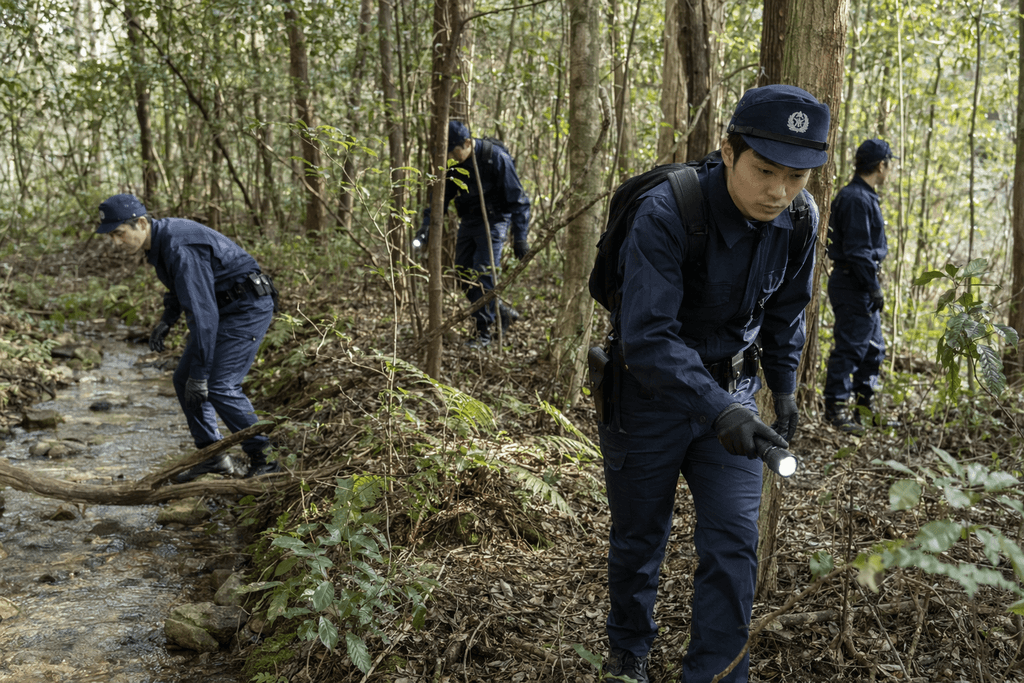
捜索
搜寻 / 搜查
捜索
搜寻 / 搜查
Explanation
捜索
搜寻 / 搜查
捜索
搜寻(失踪者等);搜救 / 搜查(警方侦查)
( Base form )
( romanization )
( hiragana )
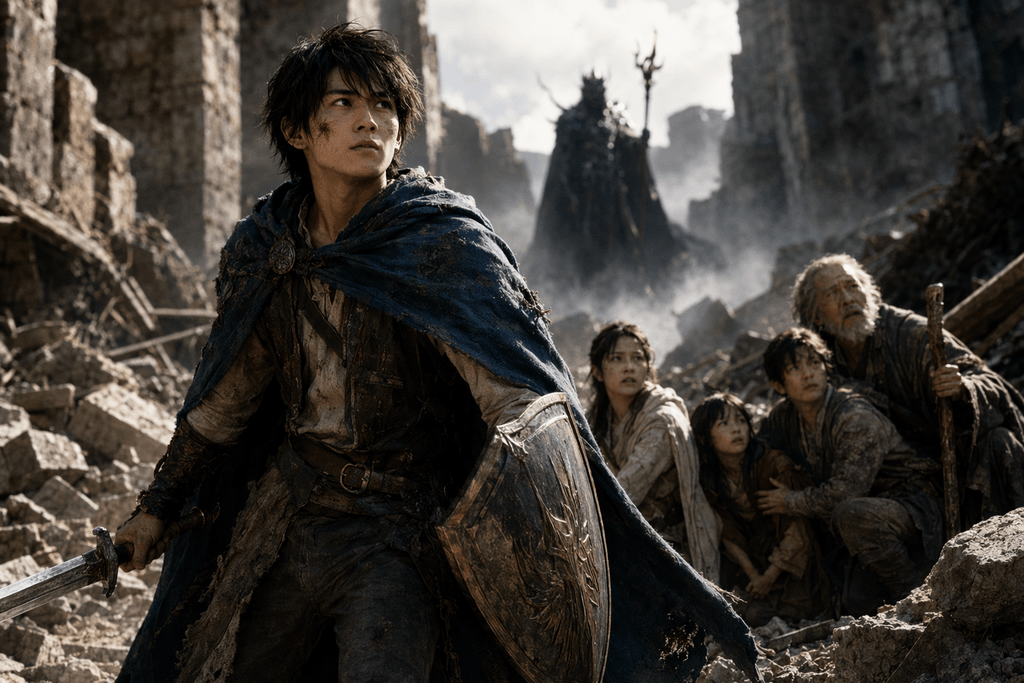
主人公
主人公
主人公
主人公
Explanation
主人公
主人公
主人公
作品中的主要人物 / 故事的主角 / 小说、电影等中的核心角色
( Base form )
( romanization )
( hiragana )
立方
三次方
立方
三次方
Explanation
立方
三次方
立方
一个数的三次方 / 立方体(正六面体)

( Base form )
( romanization )
( hiragana )
Loading...

JLPT N1 多言語単語帳・3032語 / JLPT N1 Multilingual Vocabulary: 3032 Words

Jonathan Waller 氏の JLPT Resources の語彙リスト・レベル分類を出典とし、CC BY の条件に従って DiQt が学習者向けに意味を作り直した3032語の単語帳です。JLPT公式の語彙リストではありません。
This collection of 3032 words is based on the vocabulary list and level classifications in Jonathan Waller’s JLPT Resources under CC BY, with meanings rewritten by DiQt for learners. It is not an official JLPT vocabulary list.
Key Operations
Select the first quiz:
Ctrl + Enter
View Explanation:Ctrl + G
Close a feedback:Esc
When selecting a quiz
Answer:Enter
Select a choice:↓ or ↑
Reading out the question:Ctrl + K
View Hint: Ctrl + M
I don't know: Ctrl + Y



