
JLPT N1 词义四选一 - Unsolved

通过四选一题目,用简体中文学习JLPT N1的3032个单词含义。
-
上述的
-
自信
-
水田
-
精神压力
-
不足之处
-
养护
-
争论
-
世代
-
中间
-
坚决实行
-
追踪
-
时段
-
重逢
-
杂货
-
助词
-
任职
-
控制
-
乐曲
-
组合起来
-
呻吟 / 低吼
-
沮丧 / 下跌
- 「生む」の異表記。
-
开线 / 绽放
-
偷懒
-
确定下来
-
炸弹
-
主食
-
隔周
-
打击 / 击球
-
狩猎
-
激励
権威
威望 / 权威
権威
威望 / 权威
Explanation
権威
威望 / 权威
権威
权威 / 威信 / 权威人物或机构

( Base form )
( romanization )
( kyūjitai )
( hiragana )
フィルター
过滤器
フィルター
过滤器
Explanation
过滤器
フィルター
过滤器 / 滤器 / 过滤装置

( romanization )
おつかい
跑腿差事
おつかい
跑腿差事
Explanation
跑腿差事
おつかい
跑腿 / 差事 / 买东西的小差事

申し込み
申请
申し込み
申请
Explanation
申し込み
申请
申し込み
申请 / 报名 / 请求

( Base form )
( romanization )
検事
检察官
検事
检察官
Explanation
検事
检察官
検事
检察官 / 公诉人

( Base form )
( romanization )
( kyūjitai )
( hiragana )
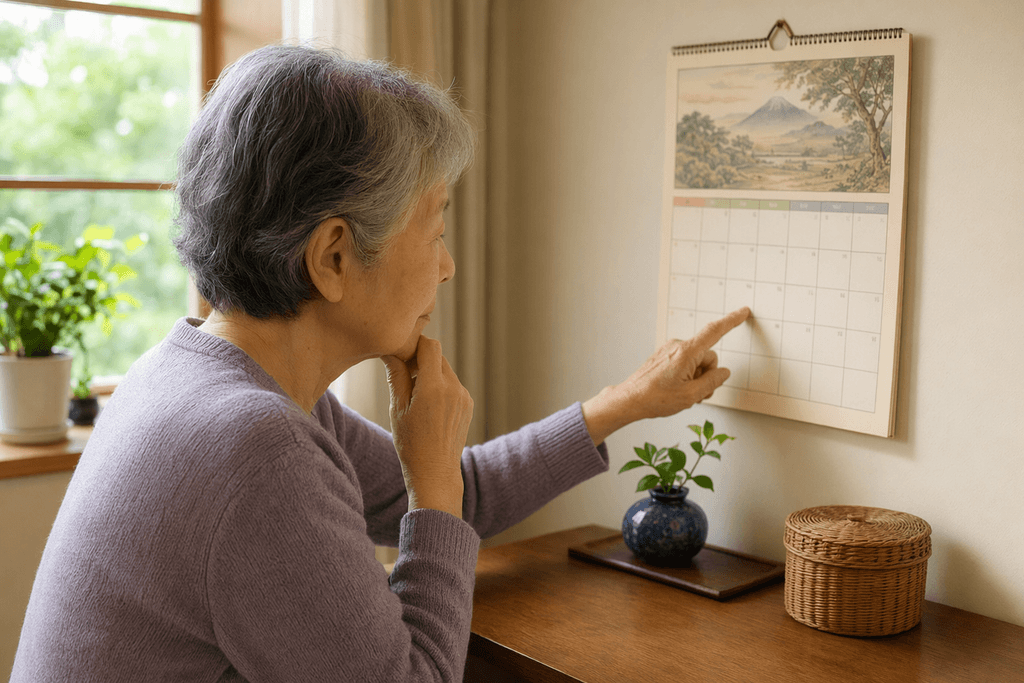
暦
历法
暦
历法
Explanation
暦
历法
暦
日历 / 历法 / 历书(黄历)
( romanization )
( kyūjitai )
( hiragana )
産む
生育 / 产卵
産む
生育 / 产卵
Explanation
産む
生育 / 产卵
産む
生育;分娩 / 生孩子

Word Forms
The basic and commonly used forms of this verb.
Basic forms
| Form | Word form | Usage |
|---|---|---|
| Imperfective form (mizenkei) |
Alternative:
産も
|
Connects to endings such as nai, reru, and seru. |
| Continuative form (renyokei) |
Alternative:
産ん
|
Connects to endings such as masu, tai, and ta. |
| Conclusive form (shushikei) | Ends a sentence and serves as the dictionary form. | |
| Attributive form (rentaikei) | Modifies a noun. | |
| Conditional form (kateikei) | Combines with ba to express a condition. | |
| Imperative form (meireikei) | Expresses a command or instruction. |
Common forms
| Form | Word form | Usage |
|---|---|---|
| Te-form | Connects clauses with te. | |
| Ta-form | Expresses the past with ta. | |
| Nai-form | Expresses negation with nai. | |
| Masu-form | Used for polite speech. | |
| Ba-form | Expresses a condition with ba. | |
| Volitional form | Expresses intention or invitation. |
Notes
納まる
缴清 / 收好
納まる
缴清 / 收好
Explanation
納まる
缴清 / 收好
納まる
被安置到位 / 装得下;合适地合入 / 被收入、收纳

Word Forms
The basic and commonly used forms of this verb.
Basic forms
| Form | Word form | Usage |
|---|---|---|
| Imperfective form (mizenkei) |
Alternative:
納まろ
|
Connects to endings such as nai, reru, and seru. |
| Continuative form (renyokei) | Connects to endings such as masu, tai, and ta. | |
| Conclusive form (shushikei) | Ends a sentence and serves as the dictionary form. | |
| Attributive form (rentaikei) | Modifies a noun. | |
| Conditional form (kateikei) | Combines with ba to express a condition. | |
| Imperative form (meireikei) | Expresses a command or instruction. |
Common forms
ねじ回し
螺丝刀
ねじ回し
螺丝刀
Explanation
ねじ回し
螺丝刀
ねじ回し
螺丝刀 / 改锥

( Base form )
( romanization )
( romanization )
( hiragana historical )
軸
轴线 / 轴杆
軸
轴线 / 轴杆
Explanation
軸
轴线 / 轴杆
軸
旋转的中心线 / 事物的核心、主干 / 卷轴或画轴的轴杆

Loading...

JLPT N1 多言語単語帳・3032語 / JLPT N1 Multilingual Vocabulary: 3032 Words

Jonathan Waller 氏の JLPT Resources の語彙リスト・レベル分類を出典とし、CC BY の条件に従って DiQt が学習者向けに意味を作り直した3032語の単語帳です。JLPT公式の語彙リストではありません。
This collection of 3032 words is based on the vocabulary list and level classifications in Jonathan Waller’s JLPT Resources under CC BY, with meanings rewritten by DiQt for learners. It is not an official JLPT vocabulary list.
Key Operations
Select the first quiz:
Ctrl + Enter
View Explanation:Ctrl + G
Close a feedback:Esc
When selecting a quiz
Answer:Enter
Select a choice:↓ or ↑
Reading out the question:Ctrl + K
View Hint: Ctrl + M
I don't know: Ctrl + Y



