
JLPT N1 词义四选一 - Unsolved

通过四选一题目,用简体中文学习JLPT N1的3032个单词含义。
-
停滞 / 拖欠
-
责骂
-
澄清 / 装作若无其事
- 文語・古語の「生く」。現代語では多く「生きる」を用いる。
- 文語の已然形「いくれ」を便宜上 katei に収める。
- derived は見出し語の語幹に基づく参考形を含む。
-
才智
-
比例 / 一成
-
纺纱
-
形态
-
展望 / 开阔视野
-
观赏
-
拜访
-
排除
-
退出
-
秘密的
-
持有 / 耐用性
-
束缚 / 限制
-
诉求
-
计策
-
世代
-
动力
-
手法
-
家畜
-
阴郁
-
频繁的
-
纤弱 / 苗条
-
反射光线
-
组合起来
-
设立 / 摆好架势
-
盛装
-
决议
-
行政
いく
去
いく
去
Explanation
去
いく
活着;存活 / 复苏;兴旺、有活力 / 使之活起来;栽种

Word Forms
The basic and commonly used forms of this verb.
Basic forms
| Form | Word form | Usage |
|---|---|---|
| Imperfective form (mizenkei) | Connects to endings such as nai, reru, and seru. | |
| Continuative form (renyokei) | Connects to endings such as masu, tai, and ta. | |
| Conclusive form (shushikei) | Ends a sentence and serves as the dictionary form. | |
| Attributive form (rentaikei) | Modifies a noun. | |
| Conditional form (kateikei) | Combines with ba to express a condition. | |
| Imperative form (meireikei) | Expresses a command or instruction. |
Common forms
| Form | Word form | Usage |
|---|---|---|
| Te-form | Connects clauses with te. | |
| Ta-form | Expresses the past with ta. | |
| Nai-form | Expresses negation with nai. | |
| Masu-form | Used for polite speech. | |
| Ba-form | Expresses a condition with ba. | |
| Volitional form | Expresses intention or invitation. |
Notes
根回し
事先协调
根回し
事先协调
Explanation
根回し
事先协调
根回し
(园艺)移植树木前,围绕树根挖土并做准备 / (比喻)在正式提出方案前,事先与相关方沟通协调以争取同意 / 会前私下做工作以促成变更或决策

( Base form )
( romanization )
感触
触感 / 感觉
感触
触感 / 感觉
Explanation
感触
触感 / 感觉
感触
触感 / 手感 / (对事物的)感觉、印象

( Base form )
( romanization )
( hiragana )
開拓
开垦 / 开辟
開拓
开垦 / 开辟
Explanation
開拓
开垦 / 开辟
開拓
土地开垦、拓荒 / 资源开发 / 新领域的探索

( Base form )
( romanization )
( hiragana )
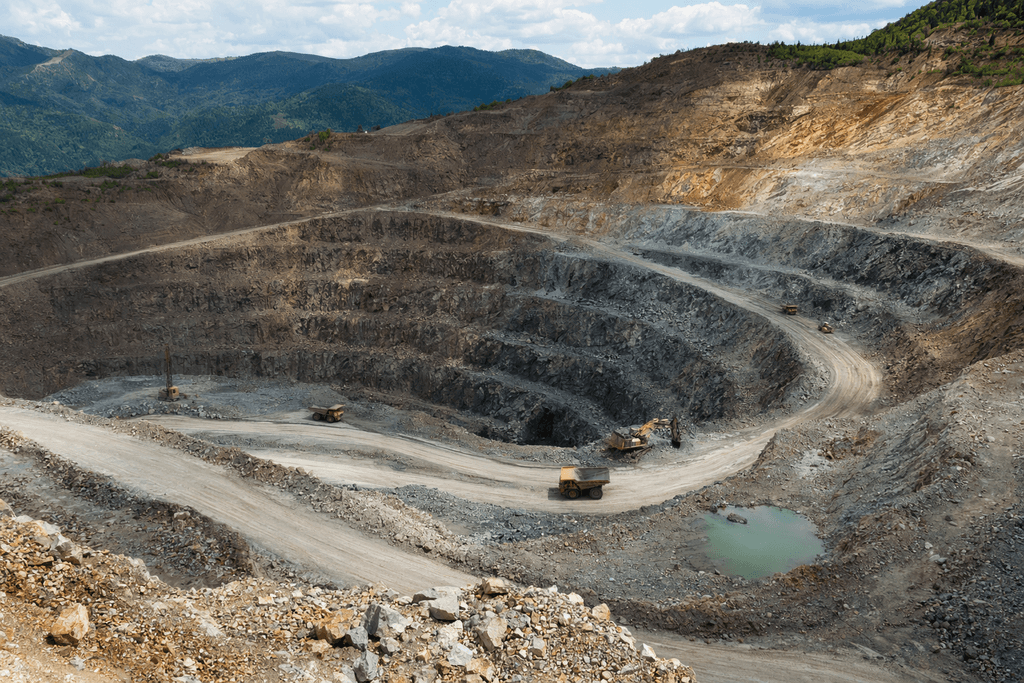
鉱山
矿山
鉱山
矿山
Explanation
鉱山
矿山
鉱山
矿山 / 采矿场 / 矿区
( Base form )
( romanization )
( hiragana )
実費
实际费用
実費
实际费用
Explanation
実費
实际费用
実費
实际费用 / 成本价

( romanization )
( hiragana )
悪
邪恶
悪
邪恶
Explanation
悪
邪恶
悪
邪恶 / 罪恶 / 恶行

( romanization )
( hiragana )
鈍感
迟钝的
鈍感
迟钝的
Explanation
鈍感
迟钝的
鈍感
迟钝 / 不敏感 / 麻木

Word Forms
The basic and commonly used forms of this adjectival noun.
Basic forms
| Form | Word form | Usage |
|---|---|---|
| Imperfective form (mizenkei) | Used in forms such as darou. | |
| Continuative form (renyokei) |
Alternative:
鈍感に
|
Used with de or ni. |
| Conclusive form (shushikei) | Ends a sentence with da. | |
| Attributive form (rentaikei) | Modifies a noun with na. | |
| Conditional form (kateikei) | Expresses a condition with nara. | |
| Imperative form (meireikei) | Used in formal expressions such as de are. |
Common forms
煽てる
吹捧
煽てる
吹捧
Explanation
煽てる
吹捧
煽てる
奉承、恭维使其去做 / 怂恿、唆使 / 煽动起哄、引起骚动

Word Forms
The basic and commonly used forms of this verb.
Basic forms
| Form | Word form | Usage |
|---|---|---|
| Imperfective form (mizenkei) | Connects to endings such as nai, reru, and seru. | |
| Continuative form (renyokei) | Connects to endings such as masu, tai, and ta. | |
| Conclusive form (shushikei) | Ends a sentence and serves as the dictionary form. | |
| Attributive form (rentaikei) | Modifies a noun. | |
| Conditional form (kateikei) | Combines with ba to express a condition. | |
| Imperative form (meireikei) |
Alternative:
煽てよ
|
Expresses a command or instruction. |
Common forms
分母
分母
分母
分母
Explanation
分母
分母
分母
分数线下方的数,表示总份数 / 分式的下项

( Base form )
( romanization )
( hiragana )
Loading...

JLPT N1 多言語単語帳・3032語 / JLPT N1 Multilingual Vocabulary: 3032 Words

Jonathan Waller 氏の JLPT Resources の語彙リスト・レベル分類を出典とし、CC BY の条件に従って DiQt が学習者向けに意味を作り直した3032語の単語帳です。JLPT公式の語彙リストではありません。
This collection of 3032 words is based on the vocabulary list and level classifications in Jonathan Waller’s JLPT Resources under CC BY, with meanings rewritten by DiQt for learners. It is not an official JLPT vocabulary list.
Key Operations
Select the first quiz:
Ctrl + Enter
View Explanation:Ctrl + G
Close a feedback:Esc
When selecting a quiz
Answer:Enter
Select a choice:↓ or ↑
Reading out the question:Ctrl + K
View Hint: Ctrl + M
I don't know: Ctrl + Y



