
JLPT N4 Vocabulary Meanings - Unsolved

Learn the English meanings of 631 JLPT N4 words through questions with four answer choices.
-
mood
-
use
-
thanks
-
method
-
cherry blossom viewing
-
consultation
-
strict
-
kind
-
delicious / skillful
-
step on
-
plan
-
drop something
- 「おっしゃる」は尊敬語で、「言う」の尊敬表現。
- ラ行五段活用だが、連用形+ますは通常「おっしゃいます」となる特殊な形をとる。
- 命令形は現代語では「おっしゃい」が普通で、「おっしゃれ」も形として存在するが稀。
-
first of all
-
to that extent
-
straight / suddenly
-
restraint
-
failure / mistake
-
driver
-
sandwich
-
small bird
-
grandfather
-
two-story building
-
world
-
sightseeing
-
parents
-
zoo
-
use
-
go down
-
go around / rotate
-
export
人形
doll / figurine
人形
doll / figurine
Explanation
人形
doll / figurine
人形
a doll / a puppet / a figurine / an effigy

( Base form )
( romanization )
( hiragana )
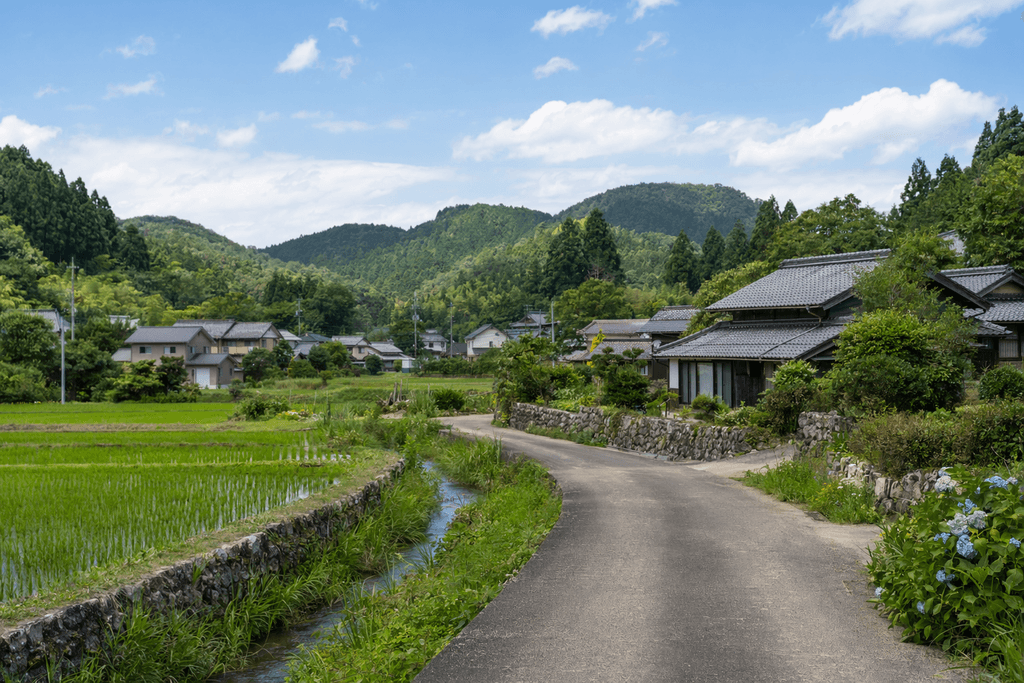
田舎
countryside
田舎
countryside
Explanation
田舎
countryside
田舎
countryside; rural area / one's hometown; native place / backwater; provincial area (pejorative)
( romanization )
( romanization )
( kyūjitai )
( hiragana historical )
( hiragana )
細かい
fine / detailed
細かい
fine / detailed
Explanation
細かい
fine / detailed
細かい
fine, detailed, small / trivial, trifling

Word Forms
The basic and commonly used forms of this adjective.
Basic forms
| Form | Word form | Usage |
|---|---|---|
| Imperfective form (mizenkei) | Used in forms such as karou; mainly literary. | |
| Continuative form (renyokei) |
Alternative:
細かかっ
|
Used in forms such as kute and kunai. |
| Conclusive form (shushikei) | Ends a sentence. | |
| Attributive form (rentaikei) | Modifies a noun. | |
| Conditional form (kateikei) | Expresses a condition with kereba. | |
| Imperative form (meireikei) | Rarely used in modern Japanese. |
Common forms
おっしゃる
say
おっしゃる
say
Explanation
say
おっしゃる
(honorific) to say (honorific for 言う)

Word Forms
The basic and commonly used forms of this verb.
Basic forms
| Form | Word form | Usage |
|---|---|---|
| Imperfective form (mizenkei) |
Alternative:
おっしゃろ
|
Connects to endings such as nai, reru, and seru. |
| Continuative form (renyokei) |
Alternative:
おっしゃり
おっしゃっ
|
Connects to endings such as masu, tai, and ta. |
| Conclusive form (shushikei) | Ends a sentence and serves as the dictionary form. | |
| Attributive form (rentaikei) | Modifies a noun. | |
| Conditional form (kateikei) | Combines with ba to express a condition. | |
| Imperative form (meireikei) |
Alternative:
おっしゃれ
|
Expresses a command or instruction. |
Common forms
| Form | Word form | Usage |
|---|---|---|
| Te-form | Connects clauses with te. | |
| Ta-form | Expresses the past with ta. | |
| Nai-form | Expresses negation with nai. | |
| Masu-form |
Alternative:
おっしゃります
|
Used for polite speech. |
| Ba-form | Expresses a condition with ba. | |
| Volitional form |
Alternative:
おっしゃい
|
Expresses intention or invitation. |
Notes
そんなに
so much
そんなに
so much
Explanation
so much
そんなに
so much, like that, so

( romanization )
旅館
Japanese inn
旅館
Japanese inn
Explanation
旅館
Japanese inn
旅館

( Base form )
( romanization )
( romanization )
( hiragana historical )
( hiragana )
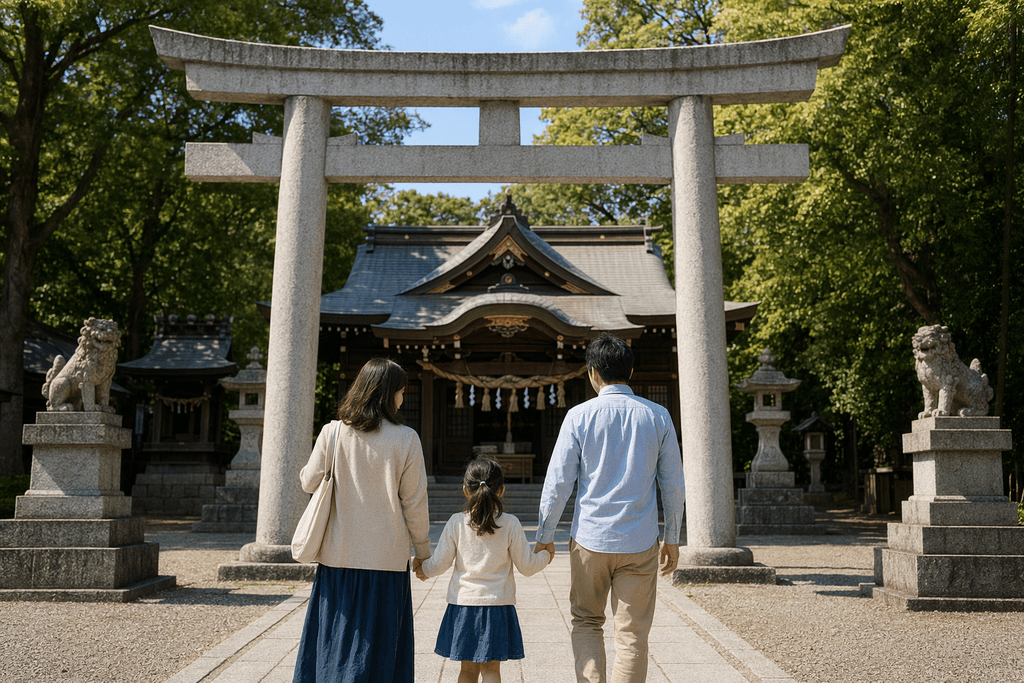
神社
Shinto shrine
神社
Shinto shrine
Explanation
神社
Shinto shrine
神社
a shrine, especially a Shinto shrine
( Base form )
( romanization )
( romanization )
( hiragana historical )
( hiragana )
生産
production
生産
production
Explanation
生産
production
生産
production / manufacture

( Base form )
( romanization )
( kyūjitai )
( hiragana )
台風
typhoon
台風
typhoon
Explanation
台風
typhoon
台風

( Base form )
( romanization )
( hiragana )
下げる
lower / hang
下げる
lower / hang
Explanation
下げる
lower / hang
下げる

Word Forms
The basic and commonly used forms of this verb.
Basic forms
| Form | Word form | Usage |
|---|---|---|
| Imperfective form (mizenkei) | Connects to endings such as nai, reru, and seru. | |
| Continuative form (renyokei) | Connects to endings such as masu, tai, and ta. | |
| Conclusive form (shushikei) | Ends a sentence and serves as the dictionary form. | |
| Attributive form (rentaikei) | Modifies a noun. | |
| Conditional form (kateikei) | Combines with ba to express a condition. | |
| Imperative form (meireikei) |
Alternative:
下げよ
|
Expresses a command or instruction. |
Common forms
Loading...

JLPT N4 多言語単語帳・631語 / JLPT N4 Multilingual Vocabulary: 631 Words

Jonathan Waller 氏の JLPT Resources の語彙リスト・レベル分類を出典とし、CC BY の条件に従って DiQt が初級向けに意味を作り直した631語の単語帳です。JLPT公式の語彙リストではありません。
This collection of 631 words is based on the vocabulary list and level classifications in Jonathan Waller’s JLPT Resources under CC BY, with meanings rewritten by DiQt for beginners. It is not an official JLPT vocabulary list.
Key Operations
Select the first quiz:
Ctrl + Enter
View Explanation:Ctrl + G
Close a feedback:Esc
When selecting a quiz
Answer:Enter
Select a choice:↓ or ↑
Reading out the question:Ctrl + K
View Hint: Ctrl + M
I don't know: Ctrl + Y



