
JLPT N4 Vocabulary Meanings - Unsolved

Learn the English meanings of 631 JLPT N4 words through questions with four answer choices.
-
tonight
-
tatami mat
-
branch
-
air conditioning
-
daytime
-
wall
-
be finished
-
take a test / take a lesson
-
stand something up
-
live
-
eat / drink
-
continue
- 表記は「混む」「込む」の両方が用いられる。人・場所・交通などが混雑している意では「混む」が一般的。
-
impossible / unreasonable
-
ordinary / local train
-
disappointment
-
get off / go down
-
advance
-
face / head toward
-
citizen
-
souvenir
-
war
-
yes
-
I see
-
like that
-
comics
-
earthquake
-
freedom
-
smell
-
mathematics
-
this time / next time
歯医者
dentist
歯医者
dentist
Explanation
歯医者
dentist
歯医者

( Base form )
( romanization )
( kyūjitai )
( hiragana )
贈り物
gift
贈り物
gift
Explanation
贈り物
gift
贈り物

( Base form )
( romanization )
( hiragana )
塗る
paint / apply
塗る
paint / apply
Explanation
塗る
paint / apply
塗る
to paint or plaster / to spread on, to dab on, to apply

Word Forms
The basic and commonly used forms of this verb.
Basic forms
| Form | Word form | Usage |
|---|---|---|
| Imperfective form (mizenkei) | Connects to endings such as nai, reru, and seru. | |
| Continuative form (renyokei) | Connects to endings such as masu, tai, and ta. | |
| Conclusive form (shushikei) | Ends a sentence and serves as the dictionary form. | |
| Attributive form (rentaikei) | Modifies a noun. | |
| Conditional form (kateikei) | Combines with ba to express a condition. | |
| Imperative form (meireikei) | Expresses a command or instruction. |
Common forms
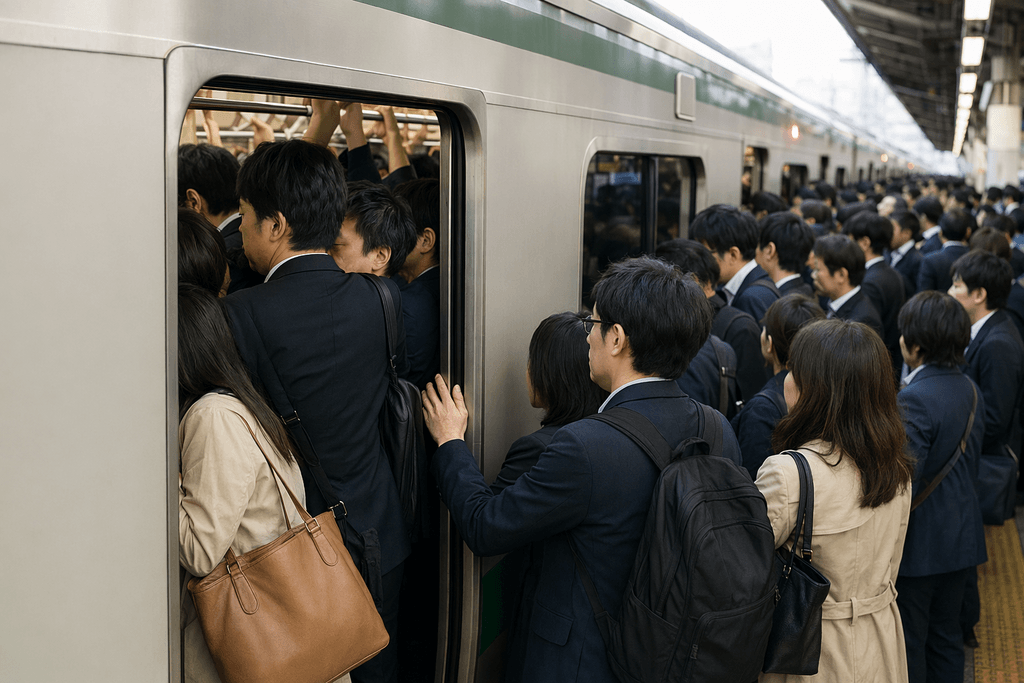
混む
be crowded
混む
be crowded
Explanation
混む
be crowded
混む
to be crowded; to be packed; to be congested; to be busy (e.g., roads, stores) / to be complicated; to be involved; to be time‑consuming
Word Forms
The basic and commonly used forms of this verb.
Basic forms
| Form | Word form | Usage |
|---|---|---|
| Imperfective form (mizenkei) |
Alternative:
込ま
|
Connects to endings such as nai, reru, and seru. |
| Continuative form (renyokei) |
Alternative:
込み
|
Connects to endings such as masu, tai, and ta. |
| Conclusive form (shushikei) |
Alternative:
込む
|
Ends a sentence and serves as the dictionary form. |
| Attributive form (rentaikei) |
Alternative:
込む
|
Modifies a noun. |
| Conditional form (kateikei) |
Alternative:
込め
|
Combines with ba to express a condition. |
| Imperative form (meireikei) |
Alternative:
込め
|
Expresses a command or instruction. |
Common forms
| Form | Word form | Usage |
|---|---|---|
| Te-form |
Alternative:
込んで
|
Connects clauses with te. |
| Ta-form |
Alternative:
込んだ
|
Expresses the past with ta. |
| Nai-form |
Alternative:
込まない
|
Expresses negation with nai. |
| Masu-form |
Alternative:
込みます
|
Used for polite speech. |
| Ba-form |
Alternative:
込めば
|
Expresses a condition with ba. |
| Volitional form |
Alternative:
込もう
|
Expresses intention or invitation. |
Notes
急
urgent / steep
急
urgent / steep
Explanation
急
urgent / steep
急
sudden / abrupt / urgent / pressing / steep / rapid

Word Forms
The basic and commonly used forms of this adjectival noun.
Basic forms
| Form | Word form | Usage |
|---|---|---|
| Imperfective form (mizenkei) | Used in forms such as darou. | |
| Continuative form (renyokei) |
Alternative:
急に
|
Used with de or ni. |
| Conclusive form (shushikei) | Ends a sentence with da. | |
| Attributive form (rentaikei) |
Alternative:
急なる
|
Modifies a noun with na. |
| Conditional form (kateikei) | Expresses a condition with nara. | |
| Imperative form (meireikei) | Used in formal expressions such as de are. |
Common forms
わく
boil / get excited
わく
boil / get excited
Explanation
boil / get excited
わく
湧く, 涌く: water and so on to spring, gush, well up / 湧く, 涌く: to feel emotions form, such as bravery / 沸く: to be excited / 沸く: to boil / 沸く: (figuratively) to boom

Word Forms
The basic and commonly used forms of this verb.
Basic forms
| Form | Word form | Usage |
|---|---|---|
| Imperfective form (mizenkei) |
Alternative:
わこ
|
Connects to endings such as nai, reru, and seru. |
| Continuative form (renyokei) | Connects to endings such as masu, tai, and ta. | |
| Conclusive form (shushikei) | Ends a sentence and serves as the dictionary form. | |
| Attributive form (rentaikei) | Modifies a noun. | |
| Conditional form (kateikei) | Combines with ba to express a condition. | |
| Imperative form (meireikei) | Expresses a command or instruction. |
Common forms
文学
literature
文学
literature
Explanation
文学
literature
文学
literature

( Base form )
( romanization )
( kyūjitai )
( hiragana )
そう
really
そう
really
Explanation
really
そう
yes, yeah; it's like that; that's how it is; I see. (interjection to show that the speaker is paying attention)

( romanization )
( romanization )
( hiragana historical )
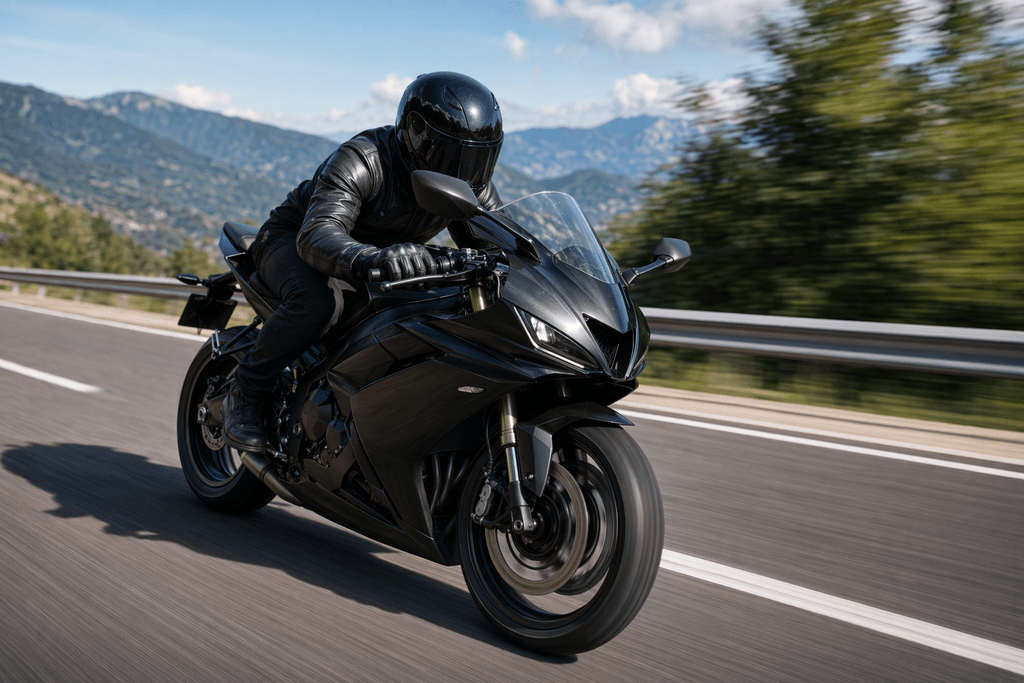
オートバイ
motorcycle
オートバイ
motorcycle
Explanation
motorcycle
オートバイ
motorcycle / motorbike
( romanization )
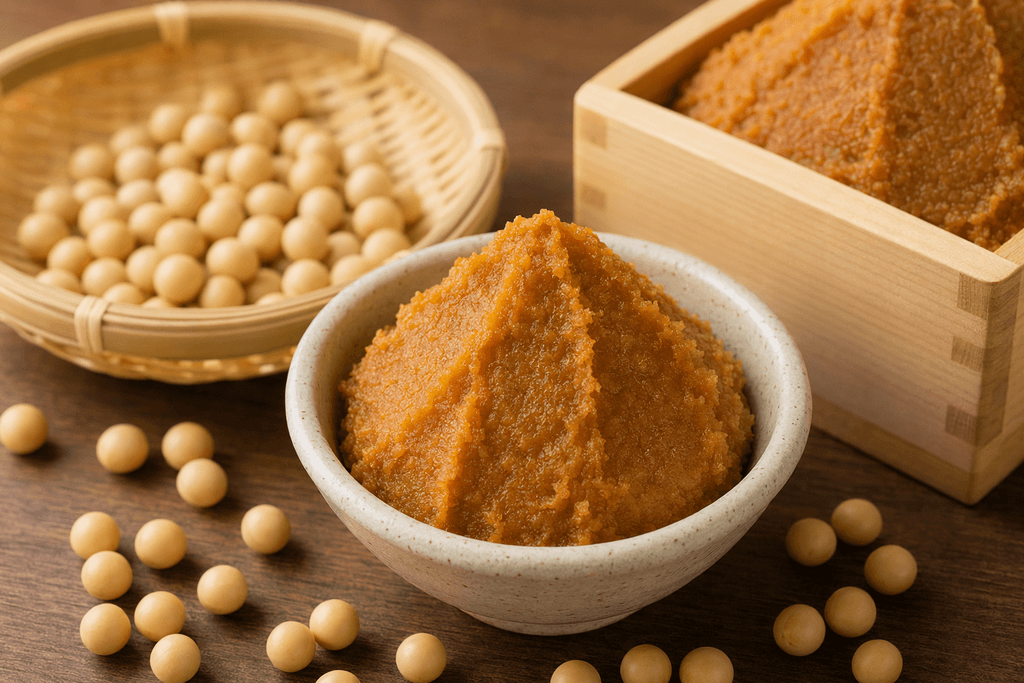
味噌
miso paste
味噌
miso paste
Explanation
味噌
miso paste
味噌
miso
( Base form )
( romanization )
( hiragana )
Loading...

JLPT N4 多言語単語帳・631語 / JLPT N4 Multilingual Vocabulary: 631 Words

Jonathan Waller 氏の JLPT Resources の語彙リスト・レベル分類を出典とし、CC BY の条件に従って DiQt が初級向けに意味を作り直した631語の単語帳です。JLPT公式の語彙リストではありません。
This collection of 631 words is based on the vocabulary list and level classifications in Jonathan Waller’s JLPT Resources under CC BY, with meanings rewritten by DiQt for beginners. It is not an official JLPT vocabulary list.
Key Operations
Select the first quiz:
Ctrl + Enter
View Explanation:Ctrl + G
Close a feedback:Esc
When selecting a quiz
Answer:Enter
Select a choice:↓ or ↑
Reading out the question:Ctrl + K
View Hint: Ctrl + M
I don't know: Ctrl + Y



