
JLPT N5 ဝေါဟာရအဓိပ္ပာယ် လေ့ကျင့်ခန်း - Unsolved

JLPT N5 စကားလုံး 665 လုံး၏ မြန်မာအဓိပ္ပာယ်ကို အဖြေရွေးချယ်စရာ လေးခုပါသော မေးခွန်းများဖြင့် လေ့လာပါ။
-
အဝတ်ချွတ်သည်
-
ရပ်တန့်သည်
-
ကွဲပြားသည် / မှားသည်
-
အိမ်မွေးတိရစ္ဆာန်
-
သတင်း
-
မီးဖိုခန်း
-
ဘယ်မှာ
-
တစ်ယောက်ယောက်
-
အဲဒါ
-
အနီးတဝိုက်
-
ဂီတ
-
စင်္ကြံ
-
ညတိုင်း
-
ပြီးသား
-
အနီးမှာ
-
အနီးတဝိုက်
-
မြေအောက်ရထား
-
မြစ်
-
ကိုး
-
ဆယ်
-
ရှစ်
-
အအေးမိရောဂါ
-
ပင်လယ်
-
မိမိကိုယ်တိုင်
-
သိသည်
-
စန္ဒရားတီးသည် / ဂစ်တာတီးသည်
-
စားသည်
- 「走る」は五段活用ラ行の動詞。連用形接続の「て/た」は促音便により「走って」「走った」となる。
-
ပို့စကတ်
-
တနင်္ဂနွေနေ့
-
ရာသီဥတု
立つ
ရပ်သည်
立つ
ရပ်သည်
Explanation
立つ
ရပ်သည်
立つ
ရပ်သည် / ထ၍ ရပ်သည်

Word Forms
The basic and commonly used forms of this verb.
Basic forms
| Form | Word form | Usage |
|---|---|---|
| Imperfective form (mizenkei) |
Alternative:
立と
|
Connects to endings such as nai, reru, and seru. |
| Continuative form (renyokei) | Connects to endings such as masu, tai, and ta. | |
| Conclusive form (shushikei) | Ends a sentence and serves as the dictionary form. | |
| Attributive form (rentaikei) | Modifies a noun. | |
| Conditional form (kateikei) | Combines with ba to express a condition. | |
| Imperative form (meireikei) | Expresses a command or instruction. |
Common forms
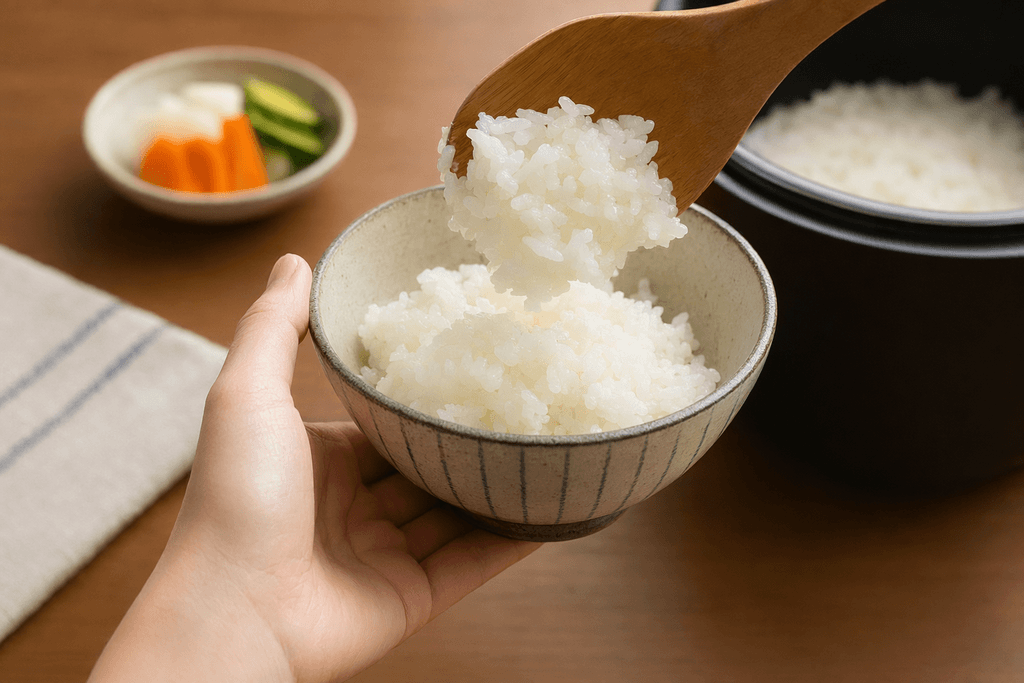
ちゃわん
ထမင်းပန်းကန်လုံး
ちゃわん
ထမင်းပန်းကန်လုံး
Explanation
ထမင်းပန်းကန်လုံး
ちゃわん
ထမင်းစားလှေ / လက်ဖက်ရည်သောက်လှေ / (အစာ/အရည်) ထည့်သောက်စားရန် လှေငယ်
あっち
ဟိုမှာ
あっち
ဟိုမှာ
Explanation
ဟိုမှာ
あっち
ဟိုဘက် / ဟိုမှာ / ဟိုသူ

( romanization )
買い物
ဈေးဝယ်ခြင်း
買い物
ဈေးဝယ်ခြင်း
Explanation
買い物
ဈေးဝယ်ခြင်း
買い物
စျေးဝယ်ခြင်း / ဝယ်ယူခြင်း / ဝယ်ယူထားသော ပစ္စည်းများ

( Base form )
( romanization )
( romanization )
( hiragana historical )
( hiragana )
すぐに
ချက်ချင်း
すぐに
ချက်ချင်း
Explanation
ချက်ချင်း
すぐに
ချက်ချင်း / ယခုပဲ / အခုတင်

( romanization )
英語
အင်္ဂလိပ်ဘာသာ
英語
အင်္ဂလိပ်ဘာသာ
Explanation
英語
အင်္ဂလိပ်ဘာသာ
英語
အင်္ဂလိပ်ဘာသာ / အင်္ဂလိပ်ဘာသာစကား / အင်္ဂလိပ်စာ

( Base form )
( romanization )
( hiragana )
ゼロ
သုည
ゼロ
သုည
Explanation
သုည
ゼロ
သုည / ဂဏန်း ၀ / ဘာမှမရှိခြင်း

( romanization )
くるま
ကား
くるま
ကား
Explanation
ကား
くるま
ကား / ဘီး

( romanization )
走る
ပြေးသည်
走る
ပြေးသည်
Explanation
走る
ပြေးသည်
走る
ပြေးသည် / အမြန်ရွေ့လျားသည်

Word Forms
The basic and commonly used forms of this verb.
Basic forms
| Form | Word form | Usage |
|---|---|---|
| Imperfective form (mizenkei) | Connects to endings such as nai, reru, and seru. | |
| Continuative form (renyokei) | Connects to endings such as masu, tai, and ta. | |
| Conclusive form (shushikei) | Ends a sentence and serves as the dictionary form. | |
| Attributive form (rentaikei) | Modifies a noun. | |
| Conditional form (kateikei) | Combines with ba to express a condition. | |
| Imperative form (meireikei) | Expresses a command or instruction. |
Common forms
| Form | Word form | Usage |
|---|---|---|
| Te-form | Connects clauses with te. | |
| Ta-form | Expresses the past with ta. | |
| Nai-form | Expresses negation with nai. | |
| Masu-form | Used for polite speech. | |
| Ba-form | Expresses a condition with ba. | |
| Volitional form | Expresses intention or invitation. |
Notes
九日
ကိုးရက် / ကိုးရက်နေ့
九日
ကိုးရက် / ကိုးရက်နေ့
Explanation
九日
ကိုးရက် / ကိုးရက်နေ့
九日
လ၏ ကိုးရက်မြောက်နေ့ / ကိုးရက်ကြာသည့်ကာလ

( Base form )
( romanization )
( hiragana )
Loading...

JLPT N5 多言語単語帳・665語 / JLPT N5 Multilingual Vocabulary: 665 Words

Jonathan Waller 氏の JLPT Resources の語彙リスト・レベル分類を出典とし、CC BY の条件に従って DiQt が初級向けに意味を作り直した665語の単語帳です。JLPT公式の語彙リストではありません。
This collection of 665 words is based on the vocabulary list and level classifications in Jonathan Waller’s JLPT Resources under CC BY, with meanings rewritten by DiQt for beginners. It is not an official JLPT vocabulary list.
Key Operations
Select the first quiz:
Ctrl + Enter
View Explanation:Ctrl + G
Close a feedback:Esc
When selecting a quiz
Answer:Enter
Select a choice:↓ or ↑
Reading out the question:Ctrl + K
View Hint: Ctrl + M
I don't know: Ctrl + Y



