
JLPT N3: Kahulugan ng mga salita - Unsolved

Alamin ang kahulugan ng 1677 salita sa JLPT N3 sa Filipino sa pamamagitan ng mga tanong na may apat na pagpipilian.
-
kahalili
-
kasama
-
masayahin / panahon
-
makipagkuwentuhan
-
ibalik sa dati
-
sumuway / sumalungat
-
araw ng linggo
-
pagkukumpuni
-
bulaklak ng seresa / puno ng seresa
-
tahanan
-
semestre
-
sugat
-
sumugod palabas
-
hatiin
-
maghangad / humiling
-
talento
-
toka
-
panahon
-
manginig
-
patayin
-
pagmasdan
-
makinilya
-
paghahalintulad
-
katapat
-
mag-aplay
-
tumanggap
-
magbigay
-
pakikipagsapalaran
-
estranghero / ibang tao
-
lagay ng panahon
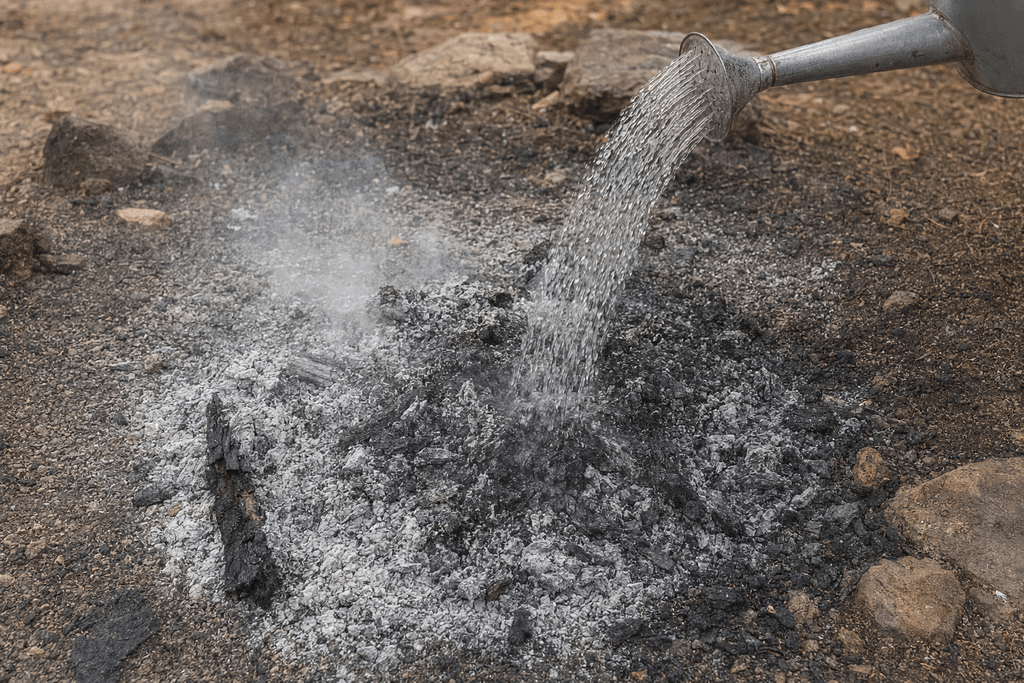
灰
abo
灰
abo
Explanation
灰
abo
灰
abo / pinong pulbos na natitira matapos masunog
( romanization )
( romanization )
( hiragana historical )
( hiragana )
効く
tumalab
効く
tumalab
Explanation
効く
tumalab
効く
tumalab / gumana / magamit

Word Forms
The basic and commonly used forms of this verb.
Basic forms
| Form | Word form | Usage |
|---|---|---|
| Imperfective form (mizenkei) |
Alternative:
効こ
|
Connects to endings such as nai, reru, and seru. |
| Continuative form (renyokei) | Connects to endings such as masu, tai, and ta. | |
| Conclusive form (shushikei) | Ends a sentence and serves as the dictionary form. | |
| Attributive form (rentaikei) | Modifies a noun. | |
| Conditional form (kateikei) | Combines with ba to express a condition. | |
| Imperative form (meireikei) | Expresses a command or instruction. |
Common forms
次第
sa sandaling / depende sa
次第
sa sandaling / depende sa
Explanation
次第
sa sandaling / depende sa
次第
pagkakasunod-sunod / kalagayan / nakasalalay sa

( Base form )
( romanization )
( hiragana )
世間
lipunan
世間
lipunan
Explanation
世間
lipunan
世間
lipunan / madla / publiko

( Base form )
( romanization )
( hiragana )
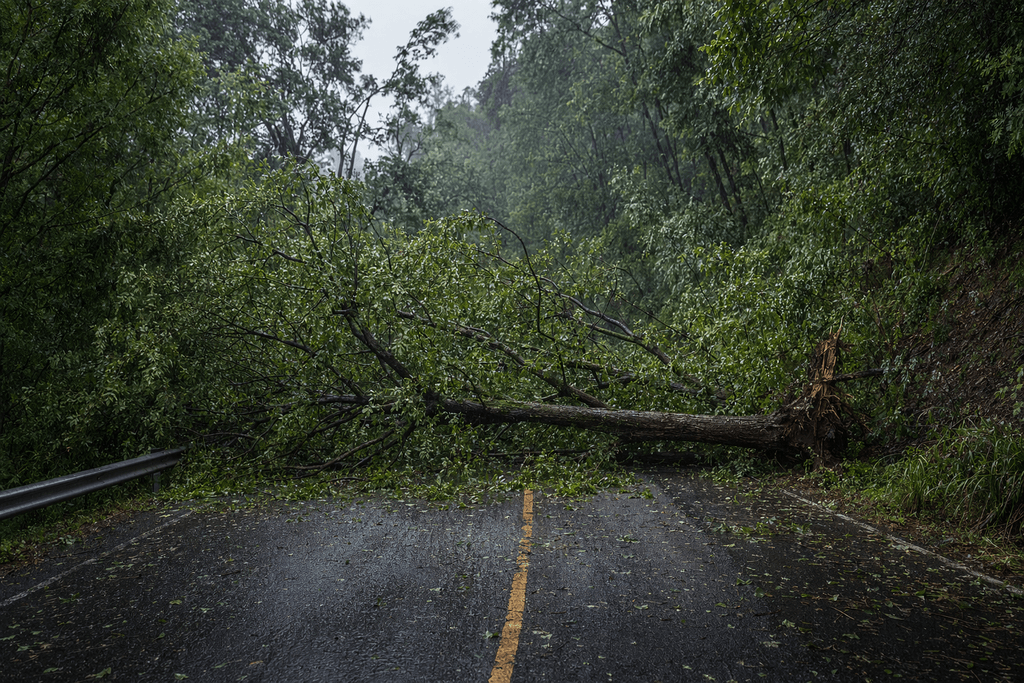
倒す
itumba / talunin
倒す
itumba / talunin
Explanation
倒す
itumba / talunin
倒す
patumbahin; pabagsakin / pumatay / talunin; ibagsak
Word Forms
The basic and commonly used forms of this verb.
Basic forms
| Form | Word form | Usage |
|---|---|---|
| Imperfective form (mizenkei) | Connects to endings such as nai, reru, and seru. | |
| Continuative form (renyokei) | Connects to endings such as masu, tai, and ta. | |
| Conclusive form (shushikei) | Ends a sentence and serves as the dictionary form. | |
| Attributive form (rentaikei) | Modifies a noun. | |
| Conditional form (kateikei) | Combines with ba to express a condition. | |
| Imperative form (meireikei) | Expresses a command or instruction. |
Common forms
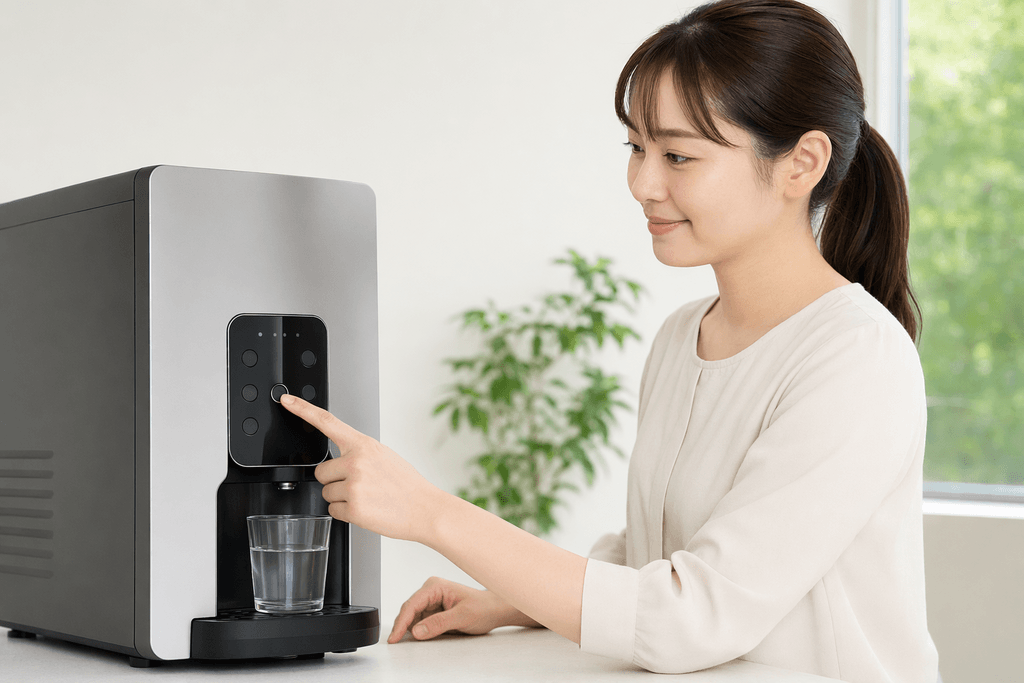
機械
makina
機械
makina
Explanation
機械
makina
機械
makina / makinarya
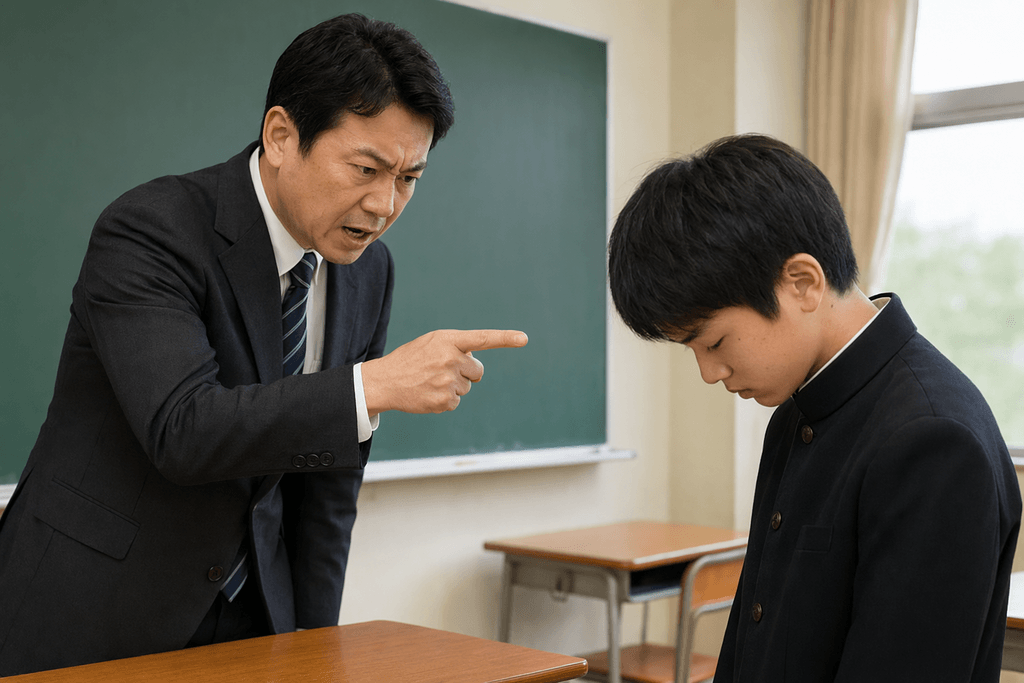
叱る
pagalitan
叱る
pagalitan
Explanation
叱る
pagalitan
叱る
pagalitan / sawayin / sermunan
Word Forms
The basic and commonly used forms of this verb.
Basic forms
| Form | Word form | Usage |
|---|---|---|
| Imperfective form (mizenkei) |
Alternative:
叱ろ
|
Connects to endings such as nai, reru, and seru. |
| Continuative form (renyokei) | Connects to endings such as masu, tai, and ta. | |
| Conclusive form (shushikei) | Ends a sentence and serves as the dictionary form. | |
| Attributive form (rentaikei) | Modifies a noun. | |
| Conditional form (kateikei) | Combines with ba to express a condition. | |
| Imperative form (meireikei) | Expresses a command or instruction. |
Common forms
うがい
pagmumog
うがい
pagmumog
Explanation
pagmumog
うがい
pagmumog / pagbabanlaw ng bibig

( romanization )
見る
makita / manood
見る
makita / manood
Explanation
見る
makita / manood
見る
makita / manood / tumingin

Word Forms
The basic and commonly used forms of this verb.
Basic forms
| Form | Word form | Usage |
|---|---|---|
| Imperfective form (mizenkei) | Connects to endings such as nai, reru, and seru. | |
| Continuative form (renyokei) | Connects to endings such as masu, tai, and ta. | |
| Conclusive form (shushikei) | Ends a sentence and serves as the dictionary form. | |
| Attributive form (rentaikei) | Modifies a noun. | |
| Conditional form (kateikei) | Combines with ba to express a condition. | |
| Imperative form (meireikei) |
Alternative:
見よ
|
Expresses a command or instruction. |
Common forms
成人
adulto
成人
adulto
Explanation
成人
adulto
成人
taong nasa hustong gulang / may sapat na gulang / adulto

( Base form )
( romanization )
( hiragana )
Loading...

JLPT N3 多言語単語帳・1677語 / JLPT N3 Multilingual Vocabulary: 1677 Words

Jonathan Waller 氏の JLPT Resources の語彙リスト・レベル分類を出典とし、CC BY の条件に従って DiQt が学習者向けに意味を作り直した1677語の単語帳です。JLPT公式の語彙リストではありません。
This collection of 1677 words is based on the vocabulary list and level classifications in Jonathan Waller’s JLPT Resources under CC BY, with meanings rewritten by DiQt for learners. It is not an official JLPT vocabulary list.
Key Operations
Select the first quiz:
Ctrl + Enter
View Explanation:Ctrl + G
Close a feedback:Esc
When selecting a quiz
Answer:Enter
Select a choice:↓ or ↑
Reading out the question:Ctrl + K
View Hint: Ctrl + M
I don't know: Ctrl + Y



