
JLPT N5 වචන අර්ථ පුහුණුව - Unsolved

පිළිතුරු විකල්ප හතරක් ඇති ප්රශ්න මඟින් JLPT N5 වචන 665ක අර්ථ සිංහලෙන් ඉගෙන ගන්න.
-
තාපකය
-
පාන්
-
පැත්ත / තිරස් දිශාව
-
කැමරාව
-
ගැහැනු ළමයා
-
ප්රශ්නය
-
රාත්රිය
-
පිරිසිදු කිරීම
-
ගේට්ටුව
-
හිටගන්නවා
-
පිටතට යනවා
-
තිබෙනවා / සතුව තිබෙනවා
- 「時間がかかる」「費用がかかる」のように、時間・金銭などを要する意味で用いる。
-
සඟරාව
-
පුවත්
-
විදුලි සෝපානය
-
පිරිසිදු කිරීම
-
අඟහරුවාදා
-
ශබ්දකෝෂය
-
එතරම් නැහැ
-
හැම රාත්රියකම
-
ඇයි
-
බලවත්
-
උණුසුම්
-
අමාරු
- 漢字表記は「煩い」。一般にはかな書きの「うるさい」も多い。
-
පෝලිමේ ඉන්නවා
-
පිටපත් කරනවා
-
ඉගෙන ගන්නවා
- 五段活用ラ行の動詞。
- テ形・タ形では促音便になる。
-
මේ
-
මේ වගේ
-
කොයි
日曜日
ඉරිදා
日曜日
ඉරිදා
Explanation
日曜日
ඉරිදා
日曜日
ඉරිදා / ඉරිදා දිනය / සතියේ ඉරිදා දිනය

( Base form )
( romanization )
( romanization )
( hiragana historical )
( hiragana )
背
උස
背
උස
Explanation
背
උස
背
උස / කඩවසම

( romanization )
( hiragana )
眼鏡
කණ්ණාඩි
眼鏡
කණ්ණාඩි
Explanation
眼鏡
කණ්ණාඩි
眼鏡
ඇස් කණ්ණාඩි

( Base form )
( romanization )
( hiragana )
かかる
කාලය ගත වෙනවා / වියදම් වෙනවා
かかる
කාලය ගත වෙනවා / වියදම් වෙනවා
Explanation
කාලය ගත වෙනවා / වියදම් වෙනවා
かかる
කාලය ගතවීම / මුදල් වැයවීම / වියදම්/වැය වීම

Word Forms
The basic and commonly used forms of this verb.
Basic forms
| Form | Word form | Usage |
|---|---|---|
| Imperfective form (mizenkei) |
Alternative:
かかろ
|
Connects to endings such as nai, reru, and seru. |
| Continuative form (renyokei) | Connects to endings such as masu, tai, and ta. | |
| Conclusive form (shushikei) | Ends a sentence and serves as the dictionary form. | |
| Attributive form (rentaikei) | Modifies a noun. | |
| Conditional form (kateikei) | Combines with ba to express a condition. | |
| Imperative form (meireikei) | Expresses a command or instruction. |
Common forms
| Form | Word form | Usage |
|---|---|---|
| Te-form | Connects clauses with te. | |
| Ta-form | Expresses the past with ta. | |
| Nai-form | Expresses negation with nai. | |
| Masu-form | Used for polite speech. | |
| Ba-form | Expresses a condition with ba. | |
| Volitional form | Expresses intention or invitation. |
Notes
あし
පාදය / කකුල
あし
පාදය / කකුල
Explanation
පාදය / කකුල
あし
පාදය / කකුල

( romanization )
( romanization )
( hiragana historical )
妹
නංගී
妹
නංගී
Explanation
妹
නංගී
妹
බාල සහෝදරිය / (පැරණි/කාව්ය) පෙම්වතිය / (කාව්ය) බිරිඳ
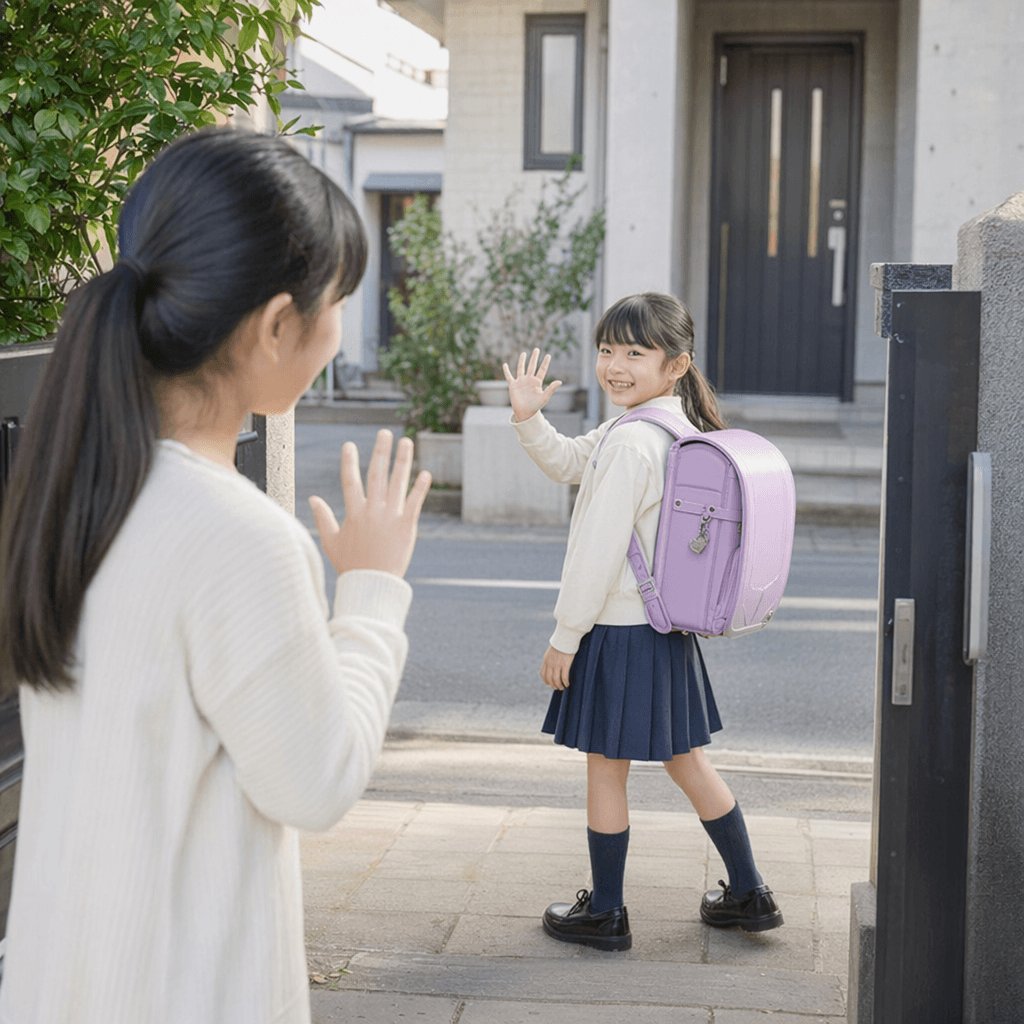
( romanization )
( hiragana )
とても
ඉතා
とても
ඉතා
Explanation
ඉතා
とても
ඉතා / බොහෝ / ගොඩක්

( romanization )
うるさい
ඝෝෂාකාරී / කරදරකාරී
うるさい
ඝෝෂාකාරී / කරදරකාරී
Explanation
ඝෝෂාකාරී / කරදරකාරී
うるさい
ශබ්දකර (ගොරෝසු) / කෙලවරහිත/ඇලවීමක් කරන

Word Forms
The basic and commonly used forms of this adjective.
Basic forms
| Form | Word form | Usage |
|---|---|---|
| Imperfective form (mizenkei) | Used in forms such as karou; mainly literary. | |
| Continuative form (renyokei) |
Alternative:
うるさかっ
|
Used in forms such as kute and kunai. |
| Conclusive form (shushikei) | Ends a sentence. | |
| Attributive form (rentaikei) | Modifies a noun. | |
| Conditional form (kateikei) | Expresses a condition with kereba. | |
| Imperative form (meireikei) | Rarely used in modern Japanese. |
Common forms
| Form | Word form | Usage |
|---|---|---|
| Te-form | Connects clauses with kute. | |
| Ta-form | Expresses the past with katta. | |
| Nai-form | Expresses negation with kunai. | |
| Ba-form | Expresses a condition with kereba. |
Notes
作る
හදනවා
作る
හදනවා
Explanation
作る
හදනවා
作る
තැනීම; නිර්මාණය කිරීම / පිසීම; ආහාර සකස් කිරීම / රචනා කිරීම; ගොඩනගා/පිහිටුවා ගැනීම

Word Forms
The basic and commonly used forms of this verb.
Basic forms
| Form | Word form | Usage |
|---|---|---|
| Imperfective form (mizenkei) |
Alternative:
作ろ
|
Connects to endings such as nai, reru, and seru. |
| Continuative form (renyokei) | Connects to endings such as masu, tai, and ta. | |
| Conclusive form (shushikei) | Ends a sentence and serves as the dictionary form. | |
| Attributive form (rentaikei) | Modifies a noun. | |
| Conditional form (kateikei) | Combines with ba to express a condition. | |
| Imperative form (meireikei) | Expresses a command or instruction. |
Common forms
| Form | Word form | Usage |
|---|---|---|
| Te-form | Connects clauses with te. | |
| Ta-form | Expresses the past with ta. | |
| Nai-form | Expresses negation with nai. | |
| Masu-form | Used for polite speech. | |
| Ba-form | Expresses a condition with ba. | |
| Volitional form | Expresses intention or invitation. |
Notes
同じ
එකම
同じ
එකම
Explanation
同じ
එකම
同じ
එකම / සමාන / අපරස්පර සමානය

( romanization )
Loading...

JLPT N5 多言語単語帳・665語 / JLPT N5 Multilingual Vocabulary: 665 Words

Jonathan Waller 氏の JLPT Resources の語彙リスト・レベル分類を出典とし、CC BY の条件に従って DiQt が初級向けに意味を作り直した665語の単語帳です。JLPT公式の語彙リストではありません。
This collection of 665 words is based on the vocabulary list and level classifications in Jonathan Waller’s JLPT Resources under CC BY, with meanings rewritten by DiQt for beginners. It is not an official JLPT vocabulary list.
Key Operations
Select the first quiz:
Ctrl + Enter
View Explanation:Ctrl + G
Close a feedback:Esc
When selecting a quiz
Answer:Enter
Select a choice:↓ or ↑
Reading out the question:Ctrl + K
View Hint: Ctrl + M
I don't know: Ctrl + Y



