
JLPT N5 වචන අර්ථ පුහුණුව - Unsolved

පිළිතුරු විකල්ප හතරක් ඇති ප්රශ්න මඟින් JLPT N5 වචන 665ක අර්ථ සිංහලෙන් ඉගෙන ගන්න.
-
අත
-
පිරිසිදු කිරීම
-
බටහිර ඇඳුම්
-
බයිසිකලය
-
කරි
-
පරීක්ෂණය
-
කොයි එකද
-
අරක
-
මම
-
කාර්යබහුල
-
තුනී / සැර අඩු
-
ලොකු
- 「丸い」とも表記する。
- 命令形「まるかれ」は現代語では稀。
-
විවේක ගන්නවා / නිවාඩු ගන්නවා
-
අරිනවා
-
මතක තිබෙනවා / කටපාඩම් කරනවා
-
සියලු දෙනා
-
බෝල්පොයින්ට් පෑන
-
අද
-
මාමා / මැදි වියේ මිනිසා
-
අහස
-
දෙමාපියන්
-
යනවා
-
පුහුණු වෙනවා
-
වැහෙනවා
- 五段活用(ワア行)。未然形は「ない」に接続する「買わ」と、意志・推量の「う」に接続する「買お」がある。
-
රස්නෙයි
-
සීතල
-
තුනී / සැර අඩු
-
භයානක
-
වේගවත්
-
ලොකු
百
සියය
百
සියය
Explanation
百
සියය
百
සියය (100) / එක් සියයක්

( romanization )
( hiragana )
窓
ජනේලය
窓
ජනේලය
Explanation
窓
ජනේලය
窓
වින්ඩෝස් මෙහෙයුම් පද්ධතිය (පැරණි අන්තර්ජාල භාවිතය) / මයික්රොසොෆ්ට් වින්ඩෝස්

( romanization )
( hiragana )
ここ
මෙතන
ここ
මෙතන
Explanation
මෙතන
ここ
මෙතැන / මෙහි / මෙම ස්ථානය

( romanization )
まるい
වටකුරු
まるい
වටකුරු
Explanation
වටකුරු
まるい
වටකුරු; වටාකාර / (මුහුණ/දේහය) වටකුරු / (පුද්ගලයාගේ ස්වභාවය) මෘදු; මෘදුමන

Word Forms
The basic and commonly used forms of this adjective.
Basic forms
| Form | Word form | Usage |
|---|---|---|
| Imperfective form (mizenkei) |
Alternative:
丸かろ
|
Used in forms such as karou; mainly literary. |
| Continuative form (renyokei) |
Alternative:
丸く
まるかっ
丸かっ
|
Used in forms such as kute and kunai. |
| Conclusive form (shushikei) |
Alternative:
丸い
|
Ends a sentence. |
| Attributive form (rentaikei) |
Alternative:
丸い
|
Modifies a noun. |
| Conditional form (kateikei) |
Alternative:
丸けれ
|
Expresses a condition with kereba. |
| Imperative form (meireikei) |
Alternative:
丸かれ
|
Rarely used in modern Japanese. |
Common forms
| Form | Word form | Usage |
|---|---|---|
| Te-form |
Alternative:
丸くて
|
Connects clauses with kute. |
| Ta-form |
Alternative:
丸かった
|
Expresses the past with katta. |
| Nai-form |
Alternative:
丸くない
|
Expresses negation with kunai. |
| Ba-form |
Alternative:
丸ければ
|
Expresses a condition with kereba. |
Notes
飛ぶ
පියාඹනවා
飛ぶ
පියාඹනවා
Explanation
飛ぶ
පියාඹනවා
飛ぶ
පියාසර කරන්න / පනින්න / වේගයෙන් යන්න / ඉක්මනින් ගමන් කරන්න

Word Forms
The basic and commonly used forms of this verb.
Basic forms
| Form | Word form | Usage |
|---|---|---|
| Imperfective form (mizenkei) |
Alternative:
飛ぼ
|
Connects to endings such as nai, reru, and seru. |
| Continuative form (renyokei) | Connects to endings such as masu, tai, and ta. | |
| Conclusive form (shushikei) | Ends a sentence and serves as the dictionary form. | |
| Attributive form (rentaikei) | Modifies a noun. | |
| Conditional form (kateikei) | Combines with ba to express a condition. | |
| Imperative form (meireikei) | Expresses a command or instruction. |
Common forms
クラス
පන්තිය
クラス
පන්තිය
Explanation
පන්තිය
クラス
පන්තිය / වර්ගය / ශ්රේණිය

( romanization )
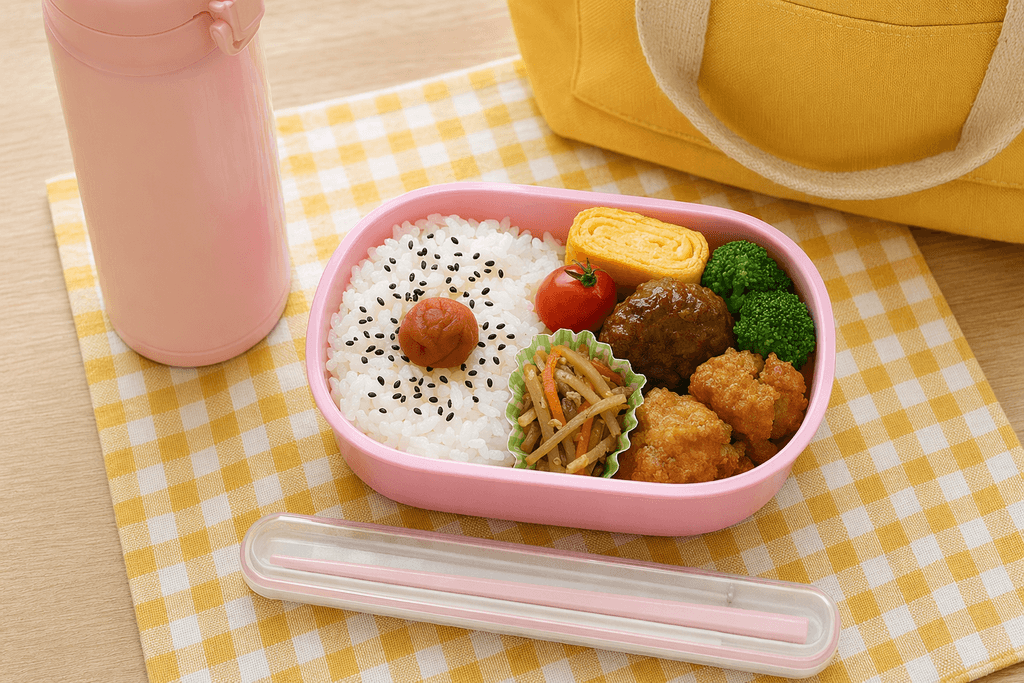
お弁当
බත් පෙට්ටිය
お弁当
බත් පෙට්ටිය
Explanation
お弁当
බත් පෙට්ටිය
お弁当
බෙන්ටෝ (ජපන් ආකාරයේ ඇසුරු කළ දවල් ආහාර පෙට්ටිය) / ආහාර පෙට්ටිය / ඇසුරු කළ දවල් ආහාරය
( Base form )
( romanization )
( hiragana )
買う
මිලදී ගන්නවා
買う
මිලදී ගන්නවා
Explanation
買う
මිලදී ගන්නවා
買う
මිලදී ගන්නවා / ගැනුම් කරනවා

Word Forms
The basic and commonly used forms of this verb.
Basic forms
| Form | Word form | Usage |
|---|---|---|
| Imperfective form (mizenkei) |
Alternative:
買お
|
Connects to endings such as nai, reru, and seru. |
| Continuative form (renyokei) | Connects to endings such as masu, tai, and ta. | |
| Conclusive form (shushikei) | Ends a sentence and serves as the dictionary form. | |
| Attributive form (rentaikei) | Modifies a noun. | |
| Conditional form (kateikei) | Combines with ba to express a condition. | |
| Imperative form (meireikei) | Expresses a command or instruction. |
Common forms
| Form | Word form | Usage |
|---|---|---|
| Te-form | Connects clauses with te. | |
| Ta-form | Expresses the past with ta. | |
| Nai-form | Expresses negation with nai. | |
| Masu-form | Used for polite speech. | |
| Ba-form | Expresses a condition with ba. | |
| Volitional form | Expresses intention or invitation. |
Notes
難しい
අමාරු
難しい
අමාරු
Explanation
難しい
අමාරු
難しい
අමාරු / දුෂ්කර / සංකීර්ණ

Word Forms
The basic and commonly used forms of this adjective.
Basic forms
| Form | Word form | Usage |
|---|---|---|
| Imperfective form (mizenkei) | Used in forms such as karou; mainly literary. | |
| Continuative form (renyokei) |
Alternative:
難しかっ
|
Used in forms such as kute and kunai. |
| Conclusive form (shushikei) | Ends a sentence. | |
| Attributive form (rentaikei) | Modifies a noun. | |
| Conditional form (kateikei) | Expresses a condition with kereba. | |
| Imperative form (meireikei) | Rarely used in modern Japanese. |
Common forms
広い
ඉඩකඩ ඇති / පළල්
広い
ඉඩකඩ ඇති / පළල්
Explanation
広い
ඉඩකඩ ඇති / පළල්
広い
පළල් / විශාල / පැතිරුණු

Word Forms
The basic and commonly used forms of this adjective.
Basic forms
| Form | Word form | Usage |
|---|---|---|
| Imperfective form (mizenkei) | Used in forms such as karou; mainly literary. | |
| Continuative form (renyokei) |
Alternative:
広かっ
|
Used in forms such as kute and kunai. |
| Conclusive form (shushikei) | Ends a sentence. | |
| Attributive form (rentaikei) | Modifies a noun. | |
| Conditional form (kateikei) | Expresses a condition with kereba. | |
| Imperative form (meireikei) | Rarely used in modern Japanese. |
Common forms
Loading...

JLPT N5 多言語単語帳・665語 / JLPT N5 Multilingual Vocabulary: 665 Words

Jonathan Waller 氏の JLPT Resources の語彙リスト・レベル分類を出典とし、CC BY の条件に従って DiQt が初級向けに意味を作り直した665語の単語帳です。JLPT公式の語彙リストではありません。
This collection of 665 words is based on the vocabulary list and level classifications in Jonathan Waller’s JLPT Resources under CC BY, with meanings rewritten by DiQt for beginners. It is not an official JLPT vocabulary list.
Key Operations
Select the first quiz:
Ctrl + Enter
View Explanation:Ctrl + G
Close a feedback:Esc
When selecting a quiz
Answer:Enter
Select a choice:↓ or ↑
Reading out the question:Ctrl + K
View Hint: Ctrl + M
I don't know: Ctrl + Y



