
JLPT N5 වචන අර්ථ පුහුණුව - Unsolved

පිළිතුරු විකල්ප හතරක් ඇති ප්රශ්න මඟින් JLPT N5 වචන 665ක අර්ථ සිංහලෙන් ඉගෙන ගන්න.
-
පොත
-
කමිසය
-
සබන්
-
දැන්
-
කොහොමද
-
ඉතා
-
දෙපාර්තමේන්තු ගබඩාව
-
දින විස්සක් / මාසයේ විසිවැනිදා
-
ග්රෑම්
-
ආපසු දෙනවා
-
වාඩි වෙනවා
-
වැහෙනවා
-
ඊට පස්සේ
-
කොහොමද
-
වඩාත්ම / අංක එක
-
අනිද්දා
-
සාක්කුව
-
තැපැල් පෙට්ටිය
-
පෙට්ටිය
-
පූසා
-
දෙක
-
ඝන
-
මඳ උණුසුම්
-
නිල්
-
සුදු
-
නිල්
-
වේදනාකාරී
-
වැසි වසිනවා / හිම වැටෙනවා
-
තබනවා
-
අඬගහනවා / ආරාධනා කරනවා
八日
දින අටක් / මාසයේ අටවැනිදා
八日
දින අටක් / මාසයේ අටවැනිදා
Explanation
八日
දින අටක් / මාසයේ අටවැනිදා
八日
මාසේ අටවැනි දිනය / දින අටක්

( Base form )
( romanization )
( hiragana )
どうして
ඇයි
どうして
ඇයි
Explanation
ඇයි
どうして
ඇයි / මොකක් හේතුවෙන්ද / කොහොමද (ඇයි ඒක එහෙම?)

( romanization )
年
අවුරුද්ද
年
අවුරුද්ද
Explanation
年
අවුරුද්ද
年
අවුරුද්ද / වසර

( romanization )
( hiragana )
撮る
ඡායාරූපයක් ගන්නවා
撮る
ඡායාරූපයක් ගන්නවා
Explanation
撮る
ඡායාරූපයක් ගන්නවා
撮る
ඡායාරූපයක් ගන්න / පින්තූරයක් ඇල්ලන්න / ඡායාරූප ගන්න

Word Forms
The basic and commonly used forms of this verb.
Basic forms
| Form | Word form | Usage |
|---|---|---|
| Imperfective form (mizenkei) |
Alternative:
撮ろ
|
Connects to endings such as nai, reru, and seru. |
| Continuative form (renyokei) | Connects to endings such as masu, tai, and ta. | |
| Conclusive form (shushikei) | Ends a sentence and serves as the dictionary form. | |
| Attributive form (rentaikei) | Modifies a noun. | |
| Conditional form (kateikei) | Combines with ba to express a condition. | |
| Imperative form (meireikei) | Expresses a command or instruction. |
Common forms
いつも
හැම විටම
いつも
හැම විටම
Explanation
හැම විටම
いつも
හැමවිටම / සෑම වෙලාවෙම / නිතරම

( romanization )
テープ
ටේප් පටිය
テープ
ටේප් පටිය
Explanation
ටේප් පටිය
テープ
ඇලෙන පටිය / පටි (ශබ්ද/දත්ත ගබඩා මාධ්යය) / ටේප්

( romanization )
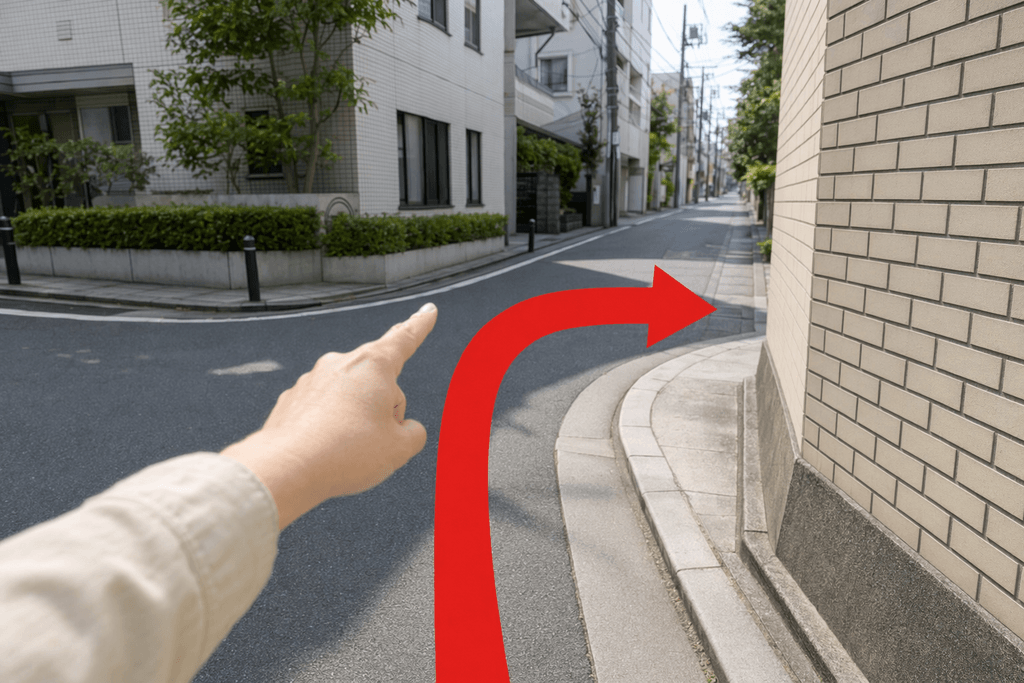
右
දකුණ
右
දකුණ
Explanation
右
දකුණ
右
දකුණ (දිශාව) / (ලියවිල්ලේ) ඉහත/පෙර සඳහන් කරුණ / දේශපාලන) දකුණු පක්ෂය; දකුණුවාදීන්
( romanization )
( hiragana )
おいしい
රසවත්
おいしい
රසවත්
Explanation
රසවත්
おいしい
රසවත් / ඉතා රසයෙන් යුතු / සුඛෝපභෝගී (ආහාරයට)

Word Forms
The basic and commonly used forms of this adjective.
Basic forms
| Form | Word form | Usage |
|---|---|---|
| Imperfective form (mizenkei) |
Alternative:
美味しかろ
|
Used in forms such as karou; mainly literary. |
| Continuative form (renyokei) |
Alternative:
おいしかっ
美味しく
美味しかっ
|
Used in forms such as kute and kunai. |
| Conclusive form (shushikei) |
Alternative:
美味しい
|
Ends a sentence. |
| Attributive form (rentaikei) |
Alternative:
美味しい
|
Modifies a noun. |
| Conditional form (kateikei) |
Alternative:
美味しけれ
|
Expresses a condition with kereba. |
| Imperative form (meireikei) |
Alternative:
美味しかれ
|
Rarely used in modern Japanese. |
Common forms
暑い
රස්නෙයි
暑い
රස්නෙයි
Explanation
暑い
රස්නෙයි
暑い
උණුසුම් (කාලගුණය) / ගිනි වැටෙන තරම් උණු

Word Forms
The basic and commonly used forms of this adjective.
Basic forms
| Form | Word form | Usage |
|---|---|---|
| Imperfective form (mizenkei) | Used in forms such as karou; mainly literary. | |
| Continuative form (renyokei) |
Alternative:
暑かっ
|
Used in forms such as kute and kunai. |
| Conclusive form (shushikei) | Ends a sentence. | |
| Attributive form (rentaikei) | Modifies a noun. | |
| Conditional form (kateikei) | Expresses a condition with kereba. | |
| Imperative form (meireikei) | Rarely used in modern Japanese. |
Common forms
乗る
වාහනයට නගිනවා / වාහනයෙන් යනවා
乗る
වාහනයට නගිනවා / වාහනයෙන් යනවා
Explanation
乗る
වාහනයට නගිනවා / වාහනයෙන් යනවා
乗る
(වාහනයකට) නැගී යාම / පදවීම / සවාරිය යාම / (බස්/දුම්රියේ) සීට්ටුවට හෝ මතට යාම

Word Forms
The basic and commonly used forms of this verb.
Basic forms
| Form | Word form | Usage |
|---|---|---|
| Imperfective form (mizenkei) |
Alternative:
乗ろ
|
Connects to endings such as nai, reru, and seru. |
| Continuative form (renyokei) | Connects to endings such as masu, tai, and ta. | |
| Conclusive form (shushikei) | Ends a sentence and serves as the dictionary form. | |
| Attributive form (rentaikei) | Modifies a noun. | |
| Conditional form (kateikei) | Combines with ba to express a condition. | |
| Imperative form (meireikei) | Expresses a command or instruction. |
Common forms
Loading...

JLPT N5 多言語単語帳・665語 / JLPT N5 Multilingual Vocabulary: 665 Words

Jonathan Waller 氏の JLPT Resources の語彙リスト・レベル分類を出典とし、CC BY の条件に従って DiQt が初級向けに意味を作り直した665語の単語帳です。JLPT公式の語彙リストではありません。
This collection of 665 words is based on the vocabulary list and level classifications in Jonathan Waller’s JLPT Resources under CC BY, with meanings rewritten by DiQt for beginners. It is not an official JLPT vocabulary list.
Key Operations
Select the first quiz:
Ctrl + Enter
View Explanation:Ctrl + G
Close a feedback:Esc
When selecting a quiz
Answer:Enter
Select a choice:↓ or ↑
Reading out the question:Ctrl + K
View Hint: Ctrl + M
I don't know: Ctrl + Y



