
JLPT N2: Trắc nghiệm nghĩa từ - Unsolved

Học nghĩa tiếng Việt của 1790 từ JLPT N2 qua các câu hỏi có bốn lựa chọn.
-
ngâm / nhúng
-
bị trộn lẫn
-
tìm kiếm
-
đồ hộp / sự đóng hộp
-
lượng
-
khí áp
-
thảo luận / tranh luận
-
mất người thân
-
viết tắt / lược bỏ
- 「加える」「咥える」は同音で、いずれも活用は下一段活用。
-
lớp học
-
đàn organ
-
số thập phân
-
nghiêng / ngả về
-
do dự
-
phụ trách
-
trống rỗng
-
cứng rắn
-
lộn ngược / ngược trước sau
- 形容動詞(ナ形容詞)としての活用。連体修飾は「安易な」、副詞的用法は「安易に」。
- 「安易」は「安易な考え」「安易に扱う」など、軽率・短絡的という否定的含意で用いられることが多い。
-
cười tươi
-
trước tiên
-
có lẽ
-
tự động hóa
-
công vụ
-
xác suất
-
nắp
-
thời Trung cổ
-
xác suất
-
phí vận chuyển
-
tủ ngăn kéo
-
việc dẫn chương trình
帰す
cho về
帰す
cho về
Explanation
帰す
cho về
帰す
trả lại (đồ vật) / cho ai về; cho về nhà / sa thải; cho thôi việc

Word Forms
The basic and commonly used forms of this verb.
Basic forms
| Form | Word form | Usage |
|---|---|---|
| Imperfective form (mizenkei) |
Alternative:
帰そ
|
Connects to endings such as nai, reru, and seru. |
| Continuative form (renyokei) | Connects to endings such as masu, tai, and ta. | |
| Conclusive form (shushikei) | Ends a sentence and serves as the dictionary form. | |
| Attributive form (rentaikei) | Modifies a noun. | |
| Conditional form (kateikei) | Combines with ba to express a condition. | |
| Imperative form (meireikei) | Expresses a command or instruction. |
Common forms
障子
cửa trượt dán giấy
障子
cửa trượt dán giấy
Explanation
障子
cửa trượt dán giấy
障子
cửa trượt bằng giấy kiểu Nhật / vách ngăn trượt bằng giấy trong kiến trúc Nhật / cửa kéo giấy trong nhà truyền thống Nhật Bản

( Base form )
( romanization )
( hiragana )
くわえる
ngậm
くわえる
ngậm
Explanation
ngậm
くわえる
ngậm giữa răng / mang theo, kèm theo

Word Forms
The basic and commonly used forms of this verb.
Basic forms
| Form | Word form | Usage |
|---|---|---|
| Imperfective form (mizenkei) | Connects to endings such as nai, reru, and seru. | |
| Continuative form (renyokei) | Connects to endings such as masu, tai, and ta. | |
| Conclusive form (shushikei) | Ends a sentence and serves as the dictionary form. | |
| Attributive form (rentaikei) | Modifies a noun. | |
| Conditional form (kateikei) | Combines with ba to express a condition. | |
| Imperative form (meireikei) |
Alternative:
くわえよ
|
Expresses a command or instruction. |
Common forms
| Form | Word form | Usage |
|---|---|---|
| Te-form | Connects clauses with te. | |
| Ta-form | Expresses the past with ta. | |
| Nai-form | Expresses negation with nai. | |
| Masu-form | Used for polite speech. | |
| Ba-form | Expresses a condition with ba. | |
| Volitional form | Expresses intention or invitation. |
Notes
農産物
nông sản
農産物
nông sản
Explanation
農産物
nông sản
農産物
nông sản / sản phẩm nông nghiệp / hàng nông sản

( Base form )
( romanization )
( hiragana )
耕す
cày đất
耕す
cày đất
Explanation
耕す
cày đất
耕す
cày xới đất / cày bừa / canh tác

Word Forms
The basic and commonly used forms of this verb.
Basic forms
| Form | Word form | Usage |
|---|---|---|
| Imperfective form (mizenkei) |
Alternative:
耕そ
|
Connects to endings such as nai, reru, and seru. |
| Continuative form (renyokei) | Connects to endings such as masu, tai, and ta. | |
| Conclusive form (shushikei) | Ends a sentence and serves as the dictionary form. | |
| Attributive form (rentaikei) | Modifies a noun. | |
| Conditional form (kateikei) | Combines with ba to express a condition. | |
| Imperative form (meireikei) | Expresses a command or instruction. |
Common forms
安易
hời hợt / dễ dàng
安易
hời hợt / dễ dàng
Explanation
安易
hời hợt / dễ dàng
安易
dễ dàng, đơn giản / dễ dãi, qua loa / hời hợt, thiếu suy xét

Word Forms
The basic and commonly used forms of this adjectival noun.
Basic forms
| Form | Word form | Usage |
|---|---|---|
| Imperfective form (mizenkei) | Used in forms such as darou. | |
| Continuative form (renyokei) |
Alternative:
安易で
安易だっ
|
Used with de or ni. |
| Conclusive form (shushikei) | Ends a sentence with da. | |
| Attributive form (rentaikei) |
Alternative:
安易である
|
Modifies a noun with na. |
| Conditional form (kateikei) |
Alternative:
安易であれば
|
Expresses a condition with nara. |
| Imperative form (meireikei) | Used in formal expressions such as de are. |
Common forms
| Form | Word form | Usage |
|---|---|---|
| Te-form equivalent | Connects clauses using de. | |
| Ta-form |
Alternative:
安易でした
|
Expresses the past with datta. |
| Nai-form |
Alternative:
安易じゃない
|
Expresses negation with dewa nai or ja nai. |
| Desu-form | Used for polite speech. |
Notes
まもなく
sắp
まもなく
sắp
Explanation
sắp
まもなく
sắp / chẳng mấy chốc / không bao lâu nữa

( Base form )
( romanization )
正面
mặt trước / ngay phía trước
正面
mặt trước / ngay phía trước
Explanation
正面
mặt trước / ngay phía trước
正面
mặt trước; mặt tiền (của tòa nhà/vật) / sự trực diện, thẳng thắn (khi xử lý/đối phó) / (Noh/kịch) chính diện sân khấu
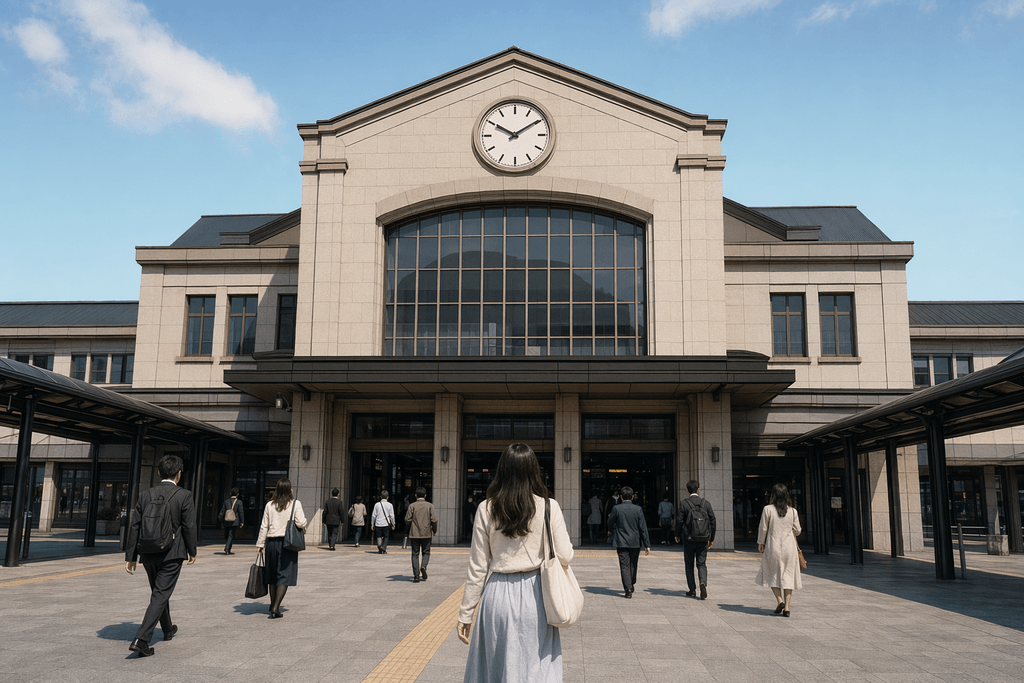
( Base form )
( romanization )
( romanization )
( hiragana historical )
( hiragana )
個体
cá thể sinh vật
個体
cá thể sinh vật
Explanation
個体
cá thể sinh vật
個体
cá thể (sinh vật riêng lẻ) / (triết học) cái cá biệt

( Base form )
( romanization )
( kyūjitai )
( hiragana )
役目
nhiệm vụ
役目
nhiệm vụ
Explanation
役目
nhiệm vụ
役目
vai trò / nhiệm vụ / phận sự

( Base form )
( romanization )
( hiragana )
Loading...

JLPT N2 多言語単語帳・1790語 / JLPT N2 Multilingual Vocabulary: 1790 Words

Jonathan Waller 氏の JLPT Resources の語彙リスト・レベル分類を出典とし、CC BY の条件に従って DiQt が学習者向けに意味を作り直した1790語の単語帳です。JLPT公式の語彙リストではありません。
This collection of 1790 words is based on the vocabulary list and level classifications in Jonathan Waller’s JLPT Resources under CC BY, with meanings rewritten by DiQt for learners. It is not an official JLPT vocabulary list.
Key Operations
Select the first quiz:
Ctrl + Enter
View Explanation:Ctrl + G
Close a feedback:Esc
When selecting a quiz
Answer:Enter
Select a choice:↓ or ↑
Reading out the question:Ctrl + K
View Hint: Ctrl + M
I don't know: Ctrl + Y



