
JLPT N4 어휘 뜻 4지선다 - Unsolved

4지선다 문제로 JLPT N4 어휘 631개의 뜻을 한국어로 익힙니다.
-
아까
-
결코
-
대체로 / 대략
-
춤
-
회화
-
규칙
-
굽다 / 석쇠에 굽다
-
계속되다
-
생각하다 / 느끼다
- 下一段活用の他動詞です。
- 命令形は「捕まえろ」が一般的で、「捕まえよ」も用いられます。
-
가장
-
잠시
-
가득 / 많이
-
대체로 / 대략
-
드디어
-
매우
-
출석하다
-
묵다
-
그치다
-
할아버지
-
작은 새
-
샌드위치
-
대체로 / 대략
-
물론
-
열심히
-
도둑
-
고장
-
일정 / 예정
-
과장
-
전람회
-
상태 / 몸 상태
ずいぶん
상당히
ずいぶん
상당히
Explanation
상당히
ずいぶん
매우 / 상당히 / 몹시

( romanization )
遊び
놀이
遊び
놀이
Explanation
遊び
놀이
遊び
놀이 / 오락 / 여가 활동

( Base form )
( romanization )
捕まえる
붙잡다
捕まえる
붙잡다
Explanation
捕まえる
붙잡다
捕まえる
잡다; 붙잡다 / 체포하다 / 움켜쥐다

Word Forms
The basic and commonly used forms of this verb.
Basic forms
| Form | Word form | Usage |
|---|---|---|
| Imperfective form (mizenkei) | Connects to endings such as nai, reru, and seru. | |
| Continuative form (renyokei) | Connects to endings such as masu, tai, and ta. | |
| Conclusive form (shushikei) | Ends a sentence and serves as the dictionary form. | |
| Attributive form (rentaikei) | Modifies a noun. | |
| Conditional form (kateikei) | Combines with ba to express a condition. | |
| Imperative form (meireikei) |
Alternative:
捕まえよ
|
Expresses a command or instruction. |
Common forms
| Form | Word form | Usage |
|---|---|---|
| Te-form | Connects clauses with te. | |
| Ta-form | Expresses the past with ta. | |
| Nai-form | Expresses negation with nai. | |
| Masu-form | Used for polite speech. | |
| Ba-form | Expresses a condition with ba. | |
| Volitional form | Expresses intention or invitation. |
Notes
それほど
그 정도로
それほど
그 정도로
Explanation
그 정도로
それほど
그 정도로 / 그렇게까지 / 그만큼

もちろん
물론
もちろん
물론
Explanation
물론
もちろん
물론 / 당연히

( Base form )
( romanization )
( hiragana )
落ちる
떨어지다
落ちる
떨어지다
Explanation
落ちる
떨어지다
落ちる
떨어지다 / 불합격하다 / 떨어져 나가다

Word Forms
The basic and commonly used forms of this verb.
Basic forms
| Form | Word form | Usage |
|---|---|---|
| Imperfective form (mizenkei) | Connects to endings such as nai, reru, and seru. | |
| Continuative form (renyokei) | Connects to endings such as masu, tai, and ta. | |
| Conclusive form (shushikei) | Ends a sentence and serves as the dictionary form. | |
| Attributive form (rentaikei) | Modifies a noun. | |
| Conditional form (kateikei) | Combines with ba to express a condition. | |
| Imperative form (meireikei) |
Alternative:
落ちよ
|
Expresses a command or instruction. |
Common forms
神社
신사
神社
신사
Explanation
神社
신사
神社
신사(神社) / 일본의 신토 사원
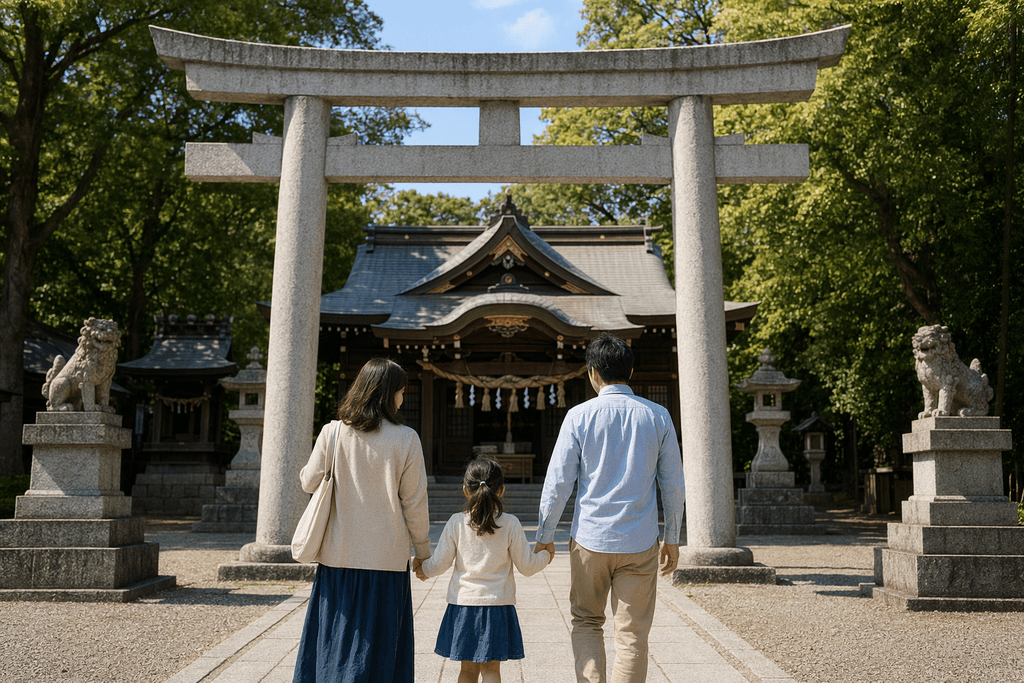
( Base form )
( romanization )
( romanization )
( hiragana historical )
( hiragana )
だいぶ
많이
だいぶ
많이
Explanation
많이
だいぶ
상당히 / 꽤 / 제법

( romanization )
女性
여성
女性
여성
Explanation
女性
여성
女性
성인 여자, 여성 / (문법·생물) 여성(성), 여성형

( Base form )
( romanization )
( romanization )
( counter )
( hiragana historical )
( hiragana )
今夜
오늘 밤
今夜
오늘 밤
Explanation
今夜
오늘 밤
今夜
오늘 밤 / 오늘 저녁

( Base form )
( romanization )
( hiragana )
Loading...

JLPT N4 多言語単語帳・631語 / JLPT N4 Multilingual Vocabulary: 631 Words

Jonathan Waller 氏の JLPT Resources の語彙リスト・レベル分類を出典とし、CC BY の条件に従って DiQt が初級向けに意味を作り直した631語の単語帳です。JLPT公式の語彙リストではありません。
This collection of 631 words is based on the vocabulary list and level classifications in Jonathan Waller’s JLPT Resources under CC BY, with meanings rewritten by DiQt for beginners. It is not an official JLPT vocabulary list.
Key Operations
Select the first quiz:
Ctrl + Enter
View Explanation:Ctrl + G
Close a feedback:Esc
When selecting a quiz
Answer:Enter
Select a choice:↓ or ↑
Reading out the question:Ctrl + K
View Hint: Ctrl + M
I don't know: Ctrl + Y



