
JLPT N3 詞義四選一 - Unsolved

透過四選一題目,用繁體中文學習JLPT N3的1677個單字詞義。
-
顯露
-
留下
-
撕破 / 打破
-
基礎
-
廂型車
-
同事
-
經常
-
即
-
這麼
-
即便如此
-
因為
-
但是
-
交換
-
狀態
-
引用
-
入迷的
-
影響
-
名聲
-
禮服
-
膝蓋 / 大腿上
-
海外
-
激烈的
-
親近
-
好
-
喝醉
-
越過 / 超過
-
分割 / 打碎
-
大地
-
槍
-
最低 / 最差
繰り返す
重複
繰り返す
重複
Explanation
繰り返す
重複
繰り返す
重複做 / 反覆進行 / 再做一次

Word Forms
The basic and commonly used forms of this verb.
Basic forms
| Form | Word form | Usage |
|---|---|---|
| Imperfective form (mizenkei) |
Alternative:
繰り返そ
|
Connects to endings such as nai, reru, and seru. |
| Continuative form (renyokei) | Connects to endings such as masu, tai, and ta. | |
| Conclusive form (shushikei) | Ends a sentence and serves as the dictionary form. | |
| Attributive form (rentaikei) | Modifies a noun. | |
| Conditional form (kateikei) | Combines with ba to express a condition. | |
| Imperative form (meireikei) | Expresses a command or instruction. |
Common forms
大統領
總統
大統領
總統
Explanation
大統領
總統
大統領
總統(共和國的國家元首) / 共和國的元首

( Base form )
( romanization )
( romanization )
( hiragana historical )
( hiragana )
よろしく
請多關照 / 妥善地
よろしく
請多關照 / 妥善地
Explanation
請多關照 / 妥善地
よろしく
妥當地 / 適當地 / 良好地

( romanization )
では
那就
では
那就
Explanation
那就
では
那麼 / 那就 / 好吧

( romanization )
ワイン
葡萄酒
ワイン
葡萄酒
Explanation
葡萄酒
ワイン
葡萄酒 / 以葡萄發酵釀成的酒 / 紅酒、白酒等葡萄酒的統稱

( romanization )
うさぎ
兔子
うさぎ
兔子
Explanation
兔子
うさぎ
兔子 / 兔類(統稱)

( romanization )
( counter )
( hiragana )
曜日
星期
曜日
星期
Explanation
曜日
星期
曜日
週中的某一天 / 星期(如星期一至星期日)

( Base form )
( romanization )
( romanization )
( hiragana historical )
( hiragana )
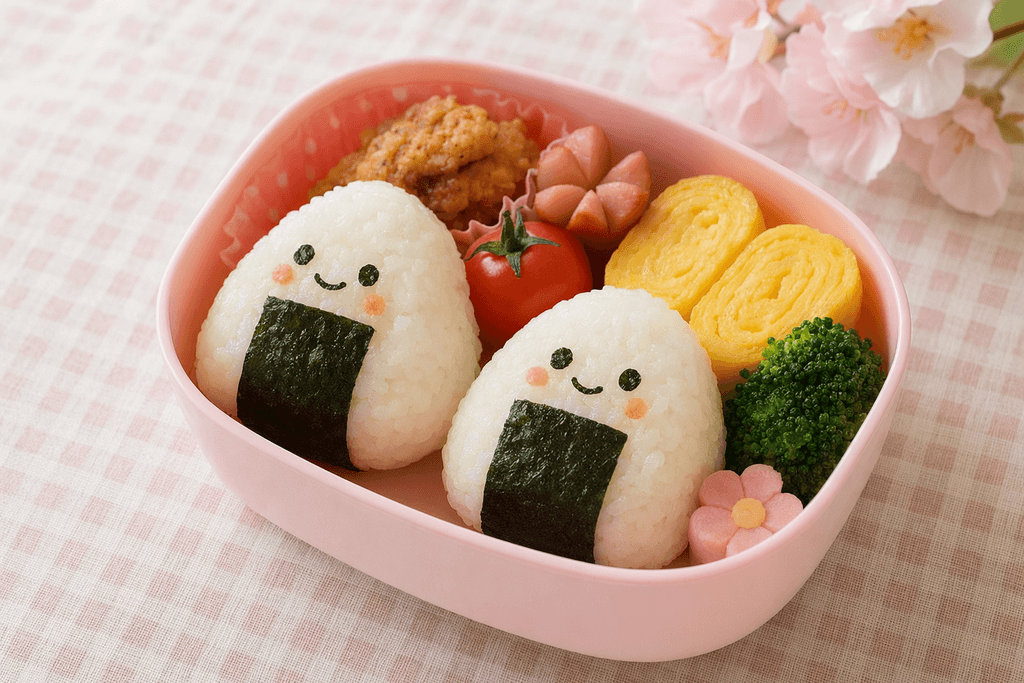
可愛らしい
可愛
可愛らしい
可愛
Explanation
可愛らしい
可愛
可愛らしい
可愛的 / 惹人喜愛的 / 漂亮的
Word Forms
The basic and commonly used forms of this adjective.
Basic forms
| Form | Word form | Usage |
|---|---|---|
| Imperfective form (mizenkei) | Used in forms such as karou; mainly literary. | |
| Continuative form (renyokei) |
Alternative:
可愛らしかっ
|
Used in forms such as kute and kunai. |
| Conclusive form (shushikei) | Ends a sentence. | |
| Attributive form (rentaikei) | Modifies a noun. | |
| Conditional form (kateikei) | Expresses a condition with kereba. | |
| Imperative form (meireikei) | Rarely used in modern Japanese. |
Common forms
解ける
鬆開 / 得到解決
解ける
鬆開 / 得到解決
Explanation
解ける
鬆開 / 得到解決
解ける
被解決;可解決;被解開、鬆脫 / 溶解;可溶;融化、解凍 / 消散、化解(怒氣、誤會等)

Word Forms
The basic and commonly used forms of this verb.
Basic forms
| Form | Word form | Usage |
|---|---|---|
| Imperfective form (mizenkei) | Connects to endings such as nai, reru, and seru. | |
| Continuative form (renyokei) | Connects to endings such as masu, tai, and ta. | |
| Conclusive form (shushikei) | Ends a sentence and serves as the dictionary form. | |
| Attributive form (rentaikei) | Modifies a noun. | |
| Conditional form (kateikei) | Combines with ba to express a condition. | |
| Imperative form (meireikei) |
Alternative:
解けよ
|
Expresses a command or instruction. |
Common forms
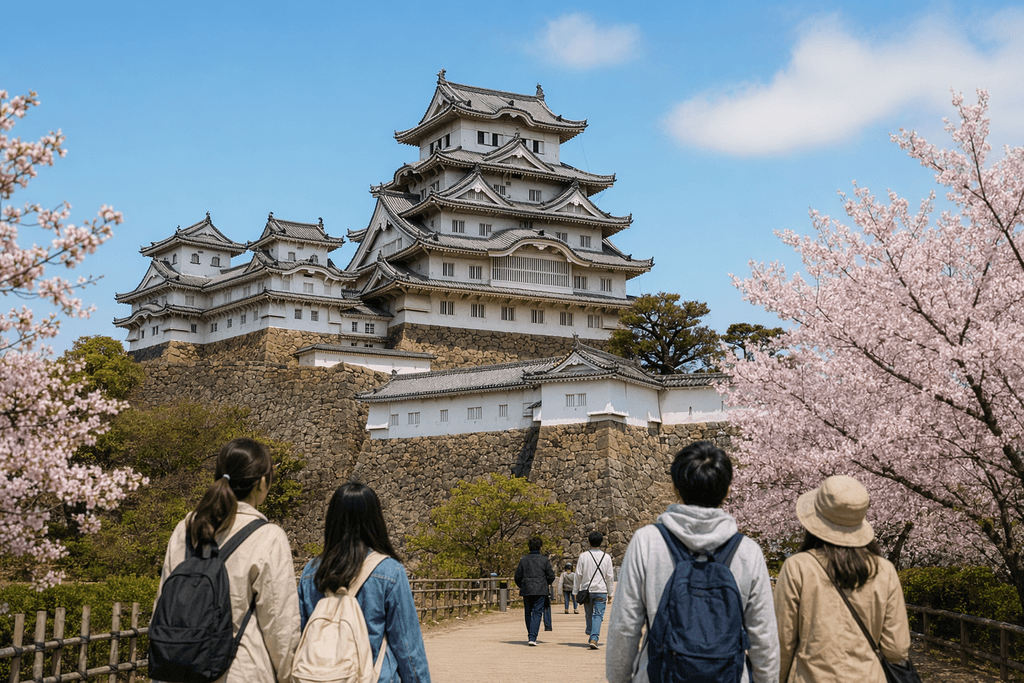
城
城堡
城
城堡
Explanation
城
城堡
城
城堡 / 堡壘 / 城池
( romanization )
( hiragana )
Loading...

JLPT N3 多言語単語帳・1677語 / JLPT N3 Multilingual Vocabulary: 1677 Words

Jonathan Waller 氏の JLPT Resources の語彙リスト・レベル分類を出典とし、CC BY の条件に従って DiQt が学習者向けに意味を作り直した1677語の単語帳です。JLPT公式の語彙リストではありません。
This collection of 1677 words is based on the vocabulary list and level classifications in Jonathan Waller’s JLPT Resources under CC BY, with meanings rewritten by DiQt for learners. It is not an official JLPT vocabulary list.
Key Operations
Select the first quiz:
Ctrl + Enter
View Explanation:Ctrl + G
Close a feedback:Esc
When selecting a quiz
Answer:Enter
Select a choice:↓ or ↑
Reading out the question:Ctrl + K
View Hint: Ctrl + M
I don't know: Ctrl + Y



