
JLPT N3 詞義四選一 - Unsolved

透過四選一題目,用繁體中文學習JLPT N3的1677個單字詞義。
-
上一
-
整個
-
不
-
搆到 / 送達
-
穿鞋 / 穿褲子
-
發生
-
整體
-
大家
-
少女
-
前進
-
計畫
-
歌手
-
禮服
-
掌聲
-
身體
-
認真
-
奇怪
-
微妙的
-
荒唐的 / 不可能
-
激烈的
-
可怕的
- 「いい」は終止形・連体形でよく用いられる口語形。活用形は通常「よく」「よかった」「よければ」など「よい」系になる。
-
咳嗽
-
外海
-
圖書
-
為什麼
-
熟睡
-
可以說
-
背叛
-
獲得
-
數數
約
大約
約
大約
Explanation
約
大約
約
大約 / 大概 / 約略

( romanization )
( hiragana )
防ぐ
防止 / 防禦
防ぐ
防止 / 防禦
Explanation
防ぐ
防止 / 防禦
防ぐ
防止 / 預防 / 防禦

Word Forms
The basic and commonly used forms of this verb.
Basic forms
| Form | Word form | Usage |
|---|---|---|
| Imperfective form (mizenkei) |
Alternative:
防ご
|
Connects to endings such as nai, reru, and seru. |
| Continuative form (renyokei) | Connects to endings such as masu, tai, and ta. | |
| Conclusive form (shushikei) | Ends a sentence and serves as the dictionary form. | |
| Attributive form (rentaikei) | Modifies a noun. | |
| Conditional form (kateikei) | Combines with ba to express a condition. | |
| Imperative form (meireikei) | Expresses a command or instruction. |
Common forms
困難
困難
困難
困難
Explanation
困難
困難
困難
難以解決的問題或情況 / 艱苦、艱難的處境 / 麻煩或阻礙

( Base form )
( romanization )
( hiragana )
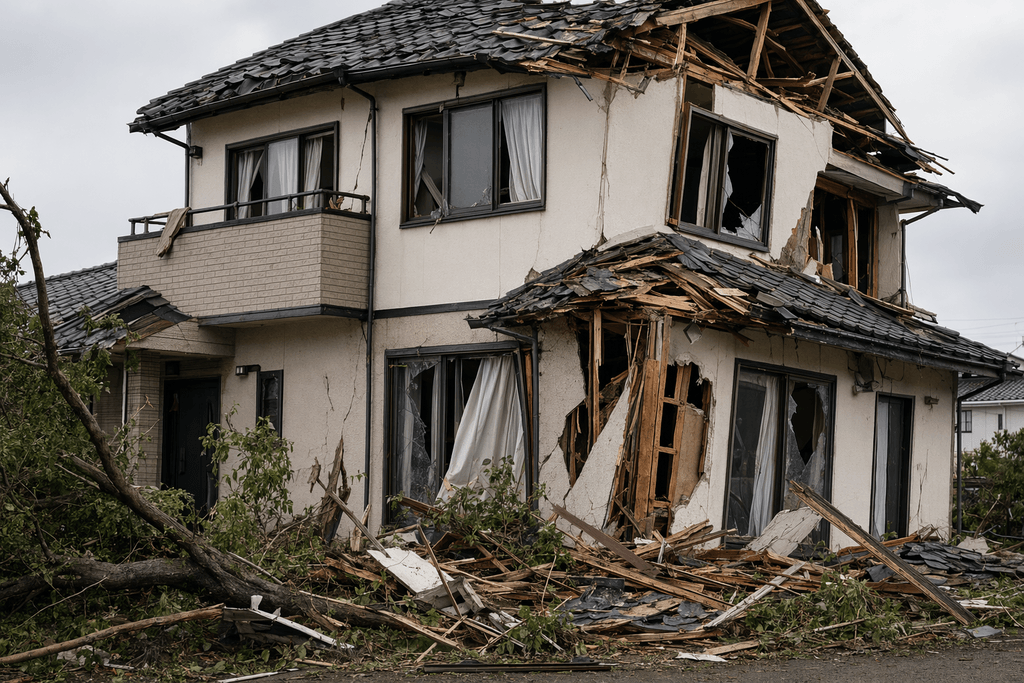
損害
損害
損害
損害
Explanation
損害
損害
損害
破壞或傷害造成的損失 / 對權益的侵害 / 可請求賠償的損失
( Base form )
( romanization )
( hiragana )
行き
去程
行き
去程
Explanation
行き
去程
行き
前往某地的 / 開往某地的 / 往某方向的

愉快
愉快的
愉快
愉快的
Explanation
愉快
愉快的
愉快
令人愉悅的 / 使人感到快樂的 / 令人享受的

Word Forms
The basic and commonly used forms of this adjectival noun.
Basic forms
| Form | Word form | Usage |
|---|---|---|
| Imperfective form (mizenkei) | Used in forms such as darou. | |
| Continuative form (renyokei) |
Alternative:
愉快に
|
Used with de or ni. |
| Conclusive form (shushikei) | Ends a sentence with da. | |
| Attributive form (rentaikei) |
Alternative:
愉快なる
|
Modifies a noun with na. |
| Conditional form (kateikei) | Expresses a condition with nara. | |
| Imperative form (meireikei) | Used in formal expressions such as de are. |
Common forms
良い
好
良い
好
Explanation
良い
好
良い
好的 / 良好 / 優良

Word Forms
The basic and commonly used forms of this adjective.
Basic forms
| Form | Word form | Usage |
|---|---|---|
| Imperfective form (mizenkei) |
Alternative:
よかろ
|
Used in forms such as karou; mainly literary. |
| Continuative form (renyokei) |
Alternative:
よく
良かっ
よかっ
|
Used in forms such as kute and kunai. |
| Conclusive form (shushikei) |
Alternative:
いい
よい
|
Ends a sentence. |
| Attributive form (rentaikei) |
Alternative:
いい
よい
|
Modifies a noun. |
| Conditional form (kateikei) |
Alternative:
よけれ
|
Expresses a condition with kereba. |
| Imperative form (meireikei) |
Alternative:
よかれ
|
Rarely used in modern Japanese. |
Common forms
| Form | Word form | Usage |
|---|---|---|
| Te-form |
Alternative:
よくて
|
Connects clauses with kute. |
| Ta-form |
Alternative:
よかった
|
Expresses the past with katta. |
| Nai-form |
Alternative:
よくない
|
Expresses negation with kunai. |
| Ba-form |
Alternative:
よければ
|
Expresses a condition with kereba. |
Notes
夜中
深夜
夜中
深夜
Explanation
夜中
深夜
夜中
夜間 / 夜晚 / 深夜

( Base form )
( romanization )
( hiragana )
先ず
首先
先ず
首先
Explanation
先ず
首先
先ず
首先 / 大約;大致 / (與否定動詞連用)幾乎不;不太

( Base form )
( romanization )
( romanization )
( hiragana historical )
ひろがる
擴散
ひろがる
擴散
Explanation
擴散
ひろがる
擴散 / 擴展 / 延伸

Word Forms
The basic and commonly used forms of this verb.
Basic forms
| Form | Word form | Usage |
|---|---|---|
| Imperfective form (mizenkei) |
Alternative:
広がら
ひろがろ
広がろ
|
Connects to endings such as nai, reru, and seru. |
| Continuative form (renyokei) |
Alternative:
広がり
|
Connects to endings such as masu, tai, and ta. |
| Conclusive form (shushikei) |
Alternative:
広がる
|
Ends a sentence and serves as the dictionary form. |
| Attributive form (rentaikei) |
Alternative:
広がる
|
Modifies a noun. |
| Conditional form (kateikei) |
Alternative:
広がれ
|
Combines with ba to express a condition. |
| Imperative form (meireikei) |
Alternative:
広がれ
|
Expresses a command or instruction. |
Common forms
| Form | Word form | Usage |
|---|---|---|
| Te-form |
Alternative:
広がって
|
Connects clauses with te. |
| Ta-form |
Alternative:
広がった
|
Expresses the past with ta. |
| Nai-form |
Alternative:
広がらない
|
Expresses negation with nai. |
| Masu-form |
Alternative:
広がります
|
Used for polite speech. |
| Ba-form |
Alternative:
広がれば
|
Expresses a condition with ba. |
| Volitional form |
Alternative:
広がろう
|
Expresses intention or invitation. |
Loading...

JLPT N3 多言語単語帳・1677語 / JLPT N3 Multilingual Vocabulary: 1677 Words

Jonathan Waller 氏の JLPT Resources の語彙リスト・レベル分類を出典とし、CC BY の条件に従って DiQt が学習者向けに意味を作り直した1677語の単語帳です。JLPT公式の語彙リストではありません。
This collection of 1677 words is based on the vocabulary list and level classifications in Jonathan Waller’s JLPT Resources under CC BY, with meanings rewritten by DiQt for learners. It is not an official JLPT vocabulary list.
Key Operations
Select the first quiz:
Ctrl + Enter
View Explanation:Ctrl + G
Close a feedback:Esc
When selecting a quiz
Answer:Enter
Select a choice:↓ or ↑
Reading out the question:Ctrl + K
View Hint: Ctrl + M
I don't know: Ctrl + Y



