
JLPT N3: Significados das palavras - Chưa trả lời

Aprenda em português os significados de 1677 palavras do JLPT N3 com questões de quatro alternativas.
-
vida inteira
-
nível
-
convívio social
-
falência
-
continuação
-
organização
-
dano
-
férias
-
trabalho de escritório
-
rocha
-
vida cotidiana
-
trigo
-
enlouquecer / dar errado
-
latir / rugir
-
afastar-se / estar separado
- 五段活用ラ行。連用形接続の「て/た」は促音便で「張って/張った」となる。
-
crédito / confiança
-
rei
-
expectativa
-
doação
-
incômodo
-
área de especialização
-
por acaso
-
delicadamente / silenciosamente
-
felizmente
-
trovão
-
cidade grande
-
músculo
-
incluir / reter na boca
-
alcançar
-
atravessar / exceder
設計
projeto
設計
projeto
Giải thích
設計
projeto
設計
projeto / planejamento / concepção

( Dạng cơ bản )
( romanization )
( hiragana )
種類
tipo
種類
tipo
Giải thích
種類
tipo
種類
tipo / espécie / variedade

( Dạng cơ bản )
( romanization )
( hiragana )
金額
quantia em dinheiro
金額
quantia em dinheiro
Giải thích
金額
quantia em dinheiro
金額
quantia de dinheiro / montante em dinheiro / valor monetário

( Dạng cơ bản )
( romanization )
( hiragana )
事情
circunstâncias
事情
circunstâncias
Giải thích
事情
circunstâncias
事情
circunstâncias / motivos / situação

( Dạng cơ bản )
( romanization )
( hiragana )
張る
esticar / armar
張る
esticar / armar
Giải thích
張る
esticar / armar
張る
esticar/estender; inflar/inchar; ficar tenso/duro / afixar/pendurar; armar um cordão/esticar uma corda; colocar/espalhar / encher (de água) um recipiente; estufar o peito/esticar os braços; sobressair/ser caro

Dạng biến đổi
Đây là các dạng cơ bản và thường dùng của động từ này.
Dạng cơ bản
| Dạng | Dạng từ | Cách dùng |
|---|---|---|
| Dạng nối với ない, れる, せる (みぜんけい) |
Cách nói khác:
張ろ
|
Dạng này nối với “ない”, “れる”, “せる”, v.v. |
| Dạng nối với ます, たい, た (れんようけい) | Dạng này nối với “ます”, “たい”, “た”, v.v. | |
| Dạng kết thúc câu (しゅうしけい) | Dạng này dùng để kết thúc câu (thể từ điển). | |
| Dạng bổ nghĩa cho danh từ (れんたいけい) | Dạng này dùng để bổ nghĩa cho danh từ. | |
| Dạng điều kiện trước ば (かていけい) | Dạng này kết hợp với “ば” để diễn đạt điều kiện. | |
| Dạng ra lệnh (めいれいけい) | Dạng này diễn đạt mệnh lệnh hoặc chỉ thị. |
Dạng thường dùng
| Dạng | Dạng từ | Cách dùng |
|---|---|---|
| Thể て | Dùng để nối câu bằng “-て”. | |
| Thể た | Diễn đạt quá khứ (-た). | |
| Thể ない | Diễn đạt phủ định (-ない). | |
| Thể ます | Dùng trong cách nói lịch sự. | |
| Thể ば | Diễn đạt điều kiện (-ば). | |
| Thể ý chí (いしけい) | Diễn đạt ý chí hoặc lời mời (-よう). |
Bổ sung
頃
por volta de
頃
por volta de
Giải thích
頃
por volta de
頃
por volta de; cerca de (tempo) / época; período / naquela época; quando

( romanization )
皿
prato
皿
prato
Giải thích
皿
prato
皿
prato / travessa / recipiente raso

( romanization )
( hiragana )
直接
diretamente
直接
diretamente
Giải thích
直接
diretamente
直接
direto / imediato / sem intermediários

( Dạng cơ bản )
( romanization )
( adnominal )
( adverbial )
( hiragana )
( table-tags )
( inflection-template )
( imperfective stem )
( imperfective stem )
( imperfective )
( continuative stem )
( continuative stem )
( continuative )
( stem terminative )
( stem terminative )
( terminative )
( attributive stem )
( attributive stem )
( attributive )
( hypothetical stem )
( hypothetical stem )
( hypothetical )
( Thức mệnh lệnh stem )
( Thức mệnh lệnh stem )
( Thức mệnh lệnh )
( informal negative )
( informal negative )
( informal negative )
( informal negative )
( informal negative )
( informal negative )
( informal Quá khứ )
( informal Quá khứ )
( informal Quá khứ )
( informal negative Quá khứ )
( informal negative Quá khứ )
( informal negative Quá khứ )
( informal negative Quá khứ )
( informal negative Quá khứ )
( informal negative Quá khứ )
( formal )
( formal )
( formal )
( formal negative )
( formal negative )
( formal negative )
( formal negative )
( formal negative )
( formal negative )
( formal Quá khứ )
( formal Quá khứ )
( formal Quá khứ )
( formal negative Quá khứ )
( formal negative Quá khứ )
( formal negative Quá khứ )
( formal negative Quá khứ )
( formal negative Quá khứ )
( formal negative Quá khứ )
( conjunctive )
( conjunctive )
( conjunctive )
( Thức điều kiện )
( Thức điều kiện )
( Thức điều kiện )
( Thức điều kiện Quá khứ )
( Thức điều kiện Quá khứ )
( Thức điều kiện Quá khứ )
( volitional )
( volitional )
( volitional )
( adverbial )
( adverbial )
( adverbial )
( noun-from-adj )
( noun-from-adj )
( noun-from-adj )
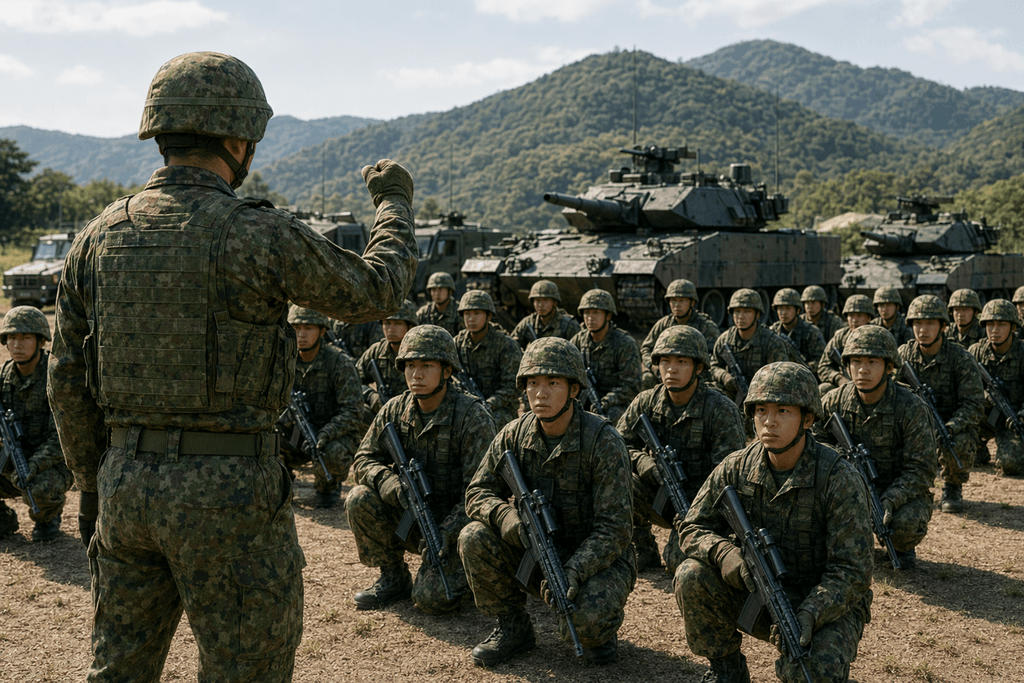
軍
forças armadas
軍
forças armadas
Giải thích
軍
forças armadas
軍
exército / militares / forças armadas
( romanization )
( hiragana )
至る
chegar a
至る
chegar a
Giải thích
至る
chegar a
至る
levar a; ter como destino / chegar a; estender-se até / evoluir para; resultar em

Dạng biến đổi
Đây là các dạng cơ bản và thường dùng của động từ này.
Dạng cơ bản
| Dạng | Dạng từ | Cách dùng |
|---|---|---|
| Dạng nối với ない, れる, せる (みぜんけい) |
Cách nói khác:
至ろ
|
Dạng này nối với “ない”, “れる”, “せる”, v.v. |
| Dạng nối với ます, たい, た (れんようけい) | Dạng này nối với “ます”, “たい”, “た”, v.v. | |
| Dạng kết thúc câu (しゅうしけい) | Dạng này dùng để kết thúc câu (thể từ điển). | |
| Dạng bổ nghĩa cho danh từ (れんたいけい) | Dạng này dùng để bổ nghĩa cho danh từ. | |
| Dạng điều kiện trước ば (かていけい) | Dạng này kết hợp với “ば” để diễn đạt điều kiện. | |
| Dạng ra lệnh (めいれいけい) | Dạng này diễn đạt mệnh lệnh hoặc chỉ thị. |
Dạng thường dùng
Đang tải…

JLPT N3 多言語単語帳・1677語 / JLPT N3 Multilingual Vocabulary: 1677 Words

Jonathan Waller 氏の JLPT Resources の語彙リスト・レベル分類を出典とし、CC BY の条件に従って DiQt が学習者向けに意味を作り直した1677語の単語帳です。JLPT公式の語彙リストではありません。
This collection of 1677 words is based on the vocabulary list and level classifications in Jonathan Waller’s JLPT Resources under CC BY, with meanings rewritten by DiQt for learners. It is not an official JLPT vocabulary list.
Phím tắt
Chọn câu hỏi đầu tiên:
Ctrl + Enter
Xem giải thích:Ctrl + G
Đóng phản hồi:Esc
Khi chọn câu hỏi
Trả lời:Enter
Chọn một lựa chọn:↓ hoặc ↑
Đọc câu hỏi thành tiếng:Ctrl + K
Xem gợi ý: Ctrl + M
Không biết: Ctrl + Y



