
JLPT N2 Vocabulary Meanings - Hindi pa nasagutan

Learn the English meanings of 1790 JLPT N2 words through questions with four answer choices.
-
social science
-
hosting an event
-
each person
-
unwanted noise
-
fantasy
-
chewing gum
-
move aside
-
request / beg
-
sniff
-
secretly
-
in a long row
-
steadily
-
recreation
-
pharmacy
-
bonus
-
mix
-
start talking to
-
cool down / fade
-
smiling cheerfully
-
perhaps
-
very first
-
laundry service
-
passageway
-
relocation
-
water well
-
deep emotion
-
foot of a mountain
-
street corner
-
pink
-
god
文体
writing style
文体
writing style
Paliwanag
文体
writing style
文体

( Batayang anyo )
( romanization )
( kyūjitai )
( hiragana )
南北
north and south
南北
north and south
Paliwanag
南北
north and south
南北
(collective) north and south

( Batayang anyo )
( romanization )
( hiragana )
担ぐ
carry on one's shoulder
担ぐ
carry on one's shoulder
Paliwanag
担ぐ
carry on one's shoulder
担ぐ
shoulder, carry on the shoulder / deceive

Mga anyo ng salita
Narito ang mga batayang anyo at mga karaniwang anyo ng pandiwa na ito.
Mga batayang anyo
| Anyo | Anyo ng salita | Gamit |
|---|---|---|
| Pormang irrealis (みぜんけい) |
Ibang pananalita:
担ご
|
Ginagamit ang anyong ito bago ang "ない", "れる", "せる", at iba pa. |
| Pormang pang-ugnay (れんようけい) | Ginagamit ang anyong ito bago ang "ます", "たい", "た", at iba pa. | |
| Pormang pangwakas (しゅうしけい) | Ito ang pormang diksyunaryo (じしょけい) na ginagamit sa pagwawakas ng pangungusap. | |
| Pormang panuring sa pangngalan (れんたいけい) | Panuring ito sa pangngalan. | |
| Pormang kondisyonal (かていけい) | Dinurugtungan ng "ば" para magpahayag ng kondisyon. | |
| Pormang pautos (めいれいけい) | Nagsasaad ang anyong ito ng utos o tagubilin. |
Mga karaniwang anyo
| Anyo | Anyo ng salita | Gamit |
|---|---|---|
| Pormang て | Pang-ugnay ng mga sugnay ang "〜て". | |
| Pormang た | Nagsasaad ng nakaraan (〜た). | |
| Pormang ない | Nagsasaad ng negasyon (〜ない). | |
| Pormang ます | Ginagamit sa magalang na pahayag. | |
| Pormang ば | Nagsasaad ng kondisyon (〜ば). | |
| Pormang volitional (いしけい) | Nagsasaad ng intensiyon o pag-anyaya (〜よう). |
やたらに
recklessly / excessively
やたらに
recklessly / excessively
Paliwanag
recklessly / excessively
やたらに
excessively, recklessly, randomly

統一
unification / uniformity
統一
unification / uniformity
Paliwanag
統一
unification / uniformity
統一
unity / unification / consolidation

( Batayang anyo )
( romanization )
( stem )
( Nakaraan )
( table-tags )
( inflection-template )
( imperfective stem )
( imperfective stem )
( imperfective )
( continuative stem )
( continuative stem )
( continuative )
( stem terminative )
( stem terminative )
( terminative )
( attributive stem )
( attributive stem )
( attributive )
( hypothetical stem )
( hypothetical stem )
( hypothetical )
( Pautos literary stem )
( colloquial Pautos stem )
( Pautos literary stem )
( colloquial Pautos stem )
( Pautos literary )
( colloquial Pautos )
( Tinig na balintiyak )
( Tinig na balintiyak )
( Tinig na balintiyak )
( causative )
( causative )
( causative )
( causative )
( causative )
( causative )
( potential )
( potential )
( potential )
( volitional )
( volitional )
( volitional )
( negative )
( negative )
( negative )
( continuative negative )
( continuative negative )
( continuative negative )
( formal )
( formal )
( formal )
( perfective )
( perfective )
( perfective )
( conjunctive )
( conjunctive )
( conjunctive )
( Kondisyonal hypothetical )
( Kondisyonal hypothetical )
( Kondisyonal hypothetical )
溜まる
build up
溜まる
build up
Paliwanag
溜まる
build up
溜まる

Mga anyo ng salita
Narito ang mga batayang anyo at mga karaniwang anyo ng pandiwa na ito.
Mga batayang anyo
| Anyo | Anyo ng salita | Gamit |
|---|---|---|
| Pormang irrealis (みぜんけい) |
Ibang pananalita:
溜まろ
|
Ginagamit ang anyong ito bago ang "ない", "れる", "せる", at iba pa. |
| Pormang pang-ugnay (れんようけい) | Ginagamit ang anyong ito bago ang "ます", "たい", "た", at iba pa. | |
| Pormang pangwakas (しゅうしけい) | Ito ang pormang diksyunaryo (じしょけい) na ginagamit sa pagwawakas ng pangungusap. | |
| Pormang panuring sa pangngalan (れんたいけい) | Panuring ito sa pangngalan. | |
| Pormang kondisyonal (かていけい) | Dinurugtungan ng "ば" para magpahayag ng kondisyon. | |
| Pormang pautos (めいれいけい) | Nagsasaad ang anyong ito ng utos o tagubilin. |
Mga karaniwang anyo
| Anyo | Anyo ng salita | Gamit |
|---|---|---|
| Pormang て | Pang-ugnay ng mga sugnay ang "〜て". | |
| Pormang た | Nagsasaad ng nakaraan (〜た). | |
| Pormang ない | Nagsasaad ng negasyon (〜ない). | |
| Pormang ます | Ginagamit sa magalang na pahayag. | |
| Pormang ば | Nagsasaad ng kondisyon (〜ば). | |
| Pormang volitional (いしけい) | Nagsasaad ng intensiyon o pag-anyaya (〜よう). |
まもなく
soon
まもなく
soon
Paliwanag
soon
まもなく

( Batayang anyo )
( romanization )
文脈
context
文脈
context
Paliwanag
文脈
context
文脈

( Batayang anyo )
( romanization )
( hiragana )
消耗
consumption / wear and tear
消耗
consumption / wear and tear
Paliwanag
消耗
consumption / wear and tear
消耗

( Batayang anyo )
( romanization )
( stem )
( Nakaraan )
( table-tags )
( inflection-template )
( imperfective stem )
( imperfective stem )
( imperfective )
( continuative stem )
( continuative stem )
( continuative )
( stem terminative )
( stem terminative )
( terminative )
( attributive stem )
( attributive stem )
( attributive )
( hypothetical stem )
( hypothetical stem )
( hypothetical )
( Pautos literary stem )
( colloquial Pautos stem )
( Pautos literary stem )
( colloquial Pautos stem )
( Pautos literary )
( colloquial Pautos )
( Tinig na balintiyak )
( Tinig na balintiyak )
( Tinig na balintiyak )
( causative )
( causative )
( causative )
( causative )
( causative )
( causative )
( potential )
( potential )
( potential )
( volitional )
( volitional )
( volitional )
( negative )
( negative )
( negative )
( continuative negative )
( continuative negative )
( continuative negative )
( formal )
( formal )
( formal )
( perfective )
( perfective )
( perfective )
( conjunctive )
( conjunctive )
( conjunctive )
( Kondisyonal hypothetical )
( Kondisyonal hypothetical )
( Kondisyonal hypothetical )
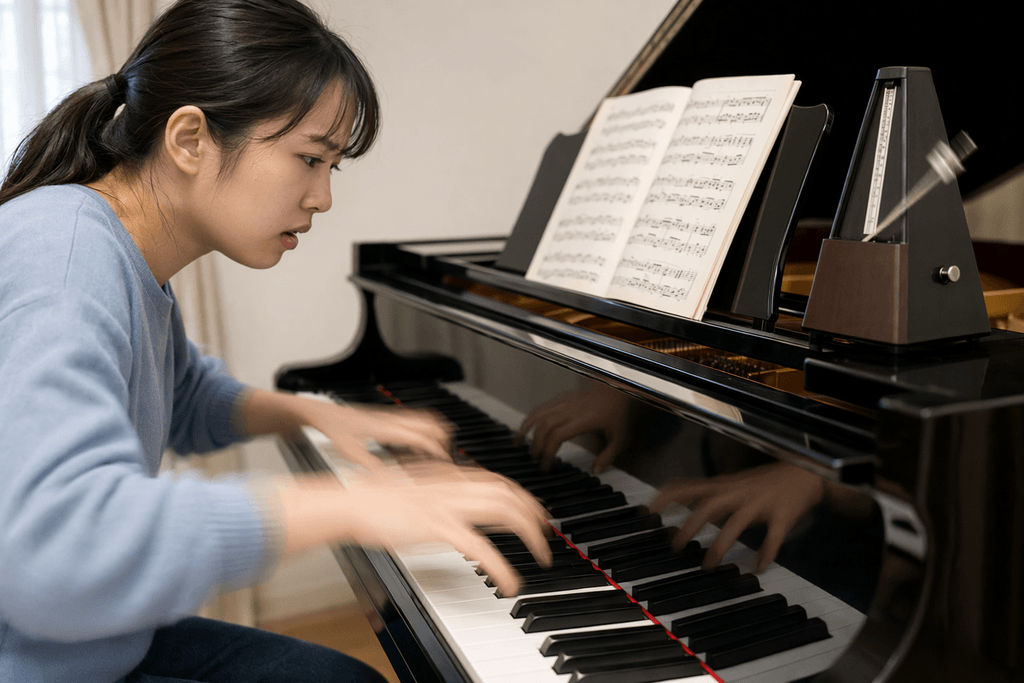
テンポ
tempo
テンポ
tempo
Paliwanag
tempo
テンポ
pace; tempo; degree of progress / (music) tempo
( romanization )
Naglo-load…

JLPT N2 多言語単語帳・1790語 / JLPT N2 Multilingual Vocabulary: 1790 Words

Jonathan Waller 氏の JLPT Resources の語彙リスト・レベル分類を出典とし、CC BY の条件に従って DiQt が学習者向けに意味を作り直した1790語の単語帳です。JLPT公式の語彙リストではありません。
This collection of 1790 words is based on the vocabulary list and level classifications in Jonathan Waller’s JLPT Resources under CC BY, with meanings rewritten by DiQt for learners. It is not an official JLPT vocabulary list.
Mga keyboard shortcut
Pagpili ng unang tanong:
Ctrl + Enter
Tingnan ang paliwanag:Ctrl + G
Pagsasara ng feedback:Esc
Habang pumipili ng tanong
Sagutin:Enter
Pagpili ng pagpipilian:↓ o ↑
Pagbasa nang malakas ng tanong:Ctrl + K
Tingnan ang pahiwatig: Ctrl + M
Hindi ko alam: Ctrl + Y



