
JLPT N1 Grammar: Four-Choice Sentence Completion - Hindi pa nasagutan

Practice 69 JLPT N1 grammar points by filling blanks in example sentences with one of four choices, using English translations as hints and reading explanations after answering.
-
まいと
-
に足らず
-
べく
-
たりとも
-
を限りに
-
をおして
-
たところで
-
たかいもなく
-
た上で
-
きらいがある
-
に足る
-
に越したことはない
-
を限りに
-
たりとも
-
を皮切りに
-
たがって
-
がてら
-
すぎて
-
や否や
-
にたえず
-
が早いか
-
べからず
-
や否や
-
が早いか
-
にかこつけて
-
にひきかえ
-
ずくめで
-
まい
-
にかたくない
-
はずがない
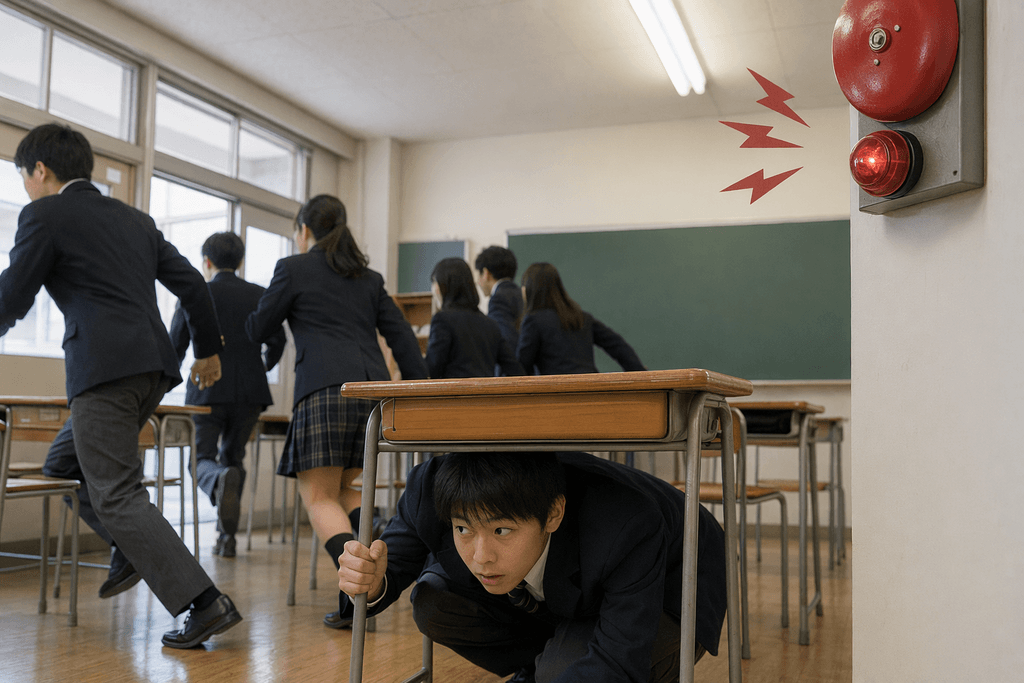
終業のベルが鳴る( )、生徒たちは一斉に教室を飛び出した。
Tingnan ang pahiwatig
The moment the end-of-class bell rang, the students all rushed out of the classroom.
終業のベルが鳴る( )、生徒たちは一斉に教室を飛び出した。
が早いか
終業のベルが鳴る( )、生徒たちは一斉に教室を飛び出した。
が早いか
Paliwanag
終業のベルが鳴る( )、生徒たちは一斉に教室を飛び出した。
が早いか
「が早いか」 means something happens immediately after an action, almost at the same moment
. It describes an actual event rather than a request or intention.
動詞辞書形・た形+が早いか
~が早いか
as soon as
新商品の発表会( )、全国の主要都市でプロモーションイベントが次々と開催された。
Tingnan ang pahiwatig
Starting with the new product launch, promotional events were held one after another in major cities across the country.
新商品の発表会( )、全国の主要都市でプロモーションイベントが次々と開催された。
を皮切りに
新商品の発表会( )、全国の主要都市でプロモーションイベントが次々と開催された。
を皮切りに
Paliwanag
新商品の発表会( )、全国の主要都市でプロモーションイベントが次々と開催された。
を皮切りに
「を皮切りに」 marks the first event in a series, followed by similar events happening one after another.
名詞+を皮切りに
~を皮切りに

もっと早く相談してくれていれば、手の打ちようもあっ( )、君は一人で抱え込んでしまった。
Tingnan ang pahiwatig
If only you had consulted me sooner, there would have been something we could have done, but you ended up taking it all on yourself.
もっと早く相談してくれていれば、手の打ちようもあっ( )、君は一人で抱え込んでしまった。
たものを
もっと早く相談してくれていれば、手の打ちようもあっ( )、君は一人で抱え込んでしまった。
たものを
Paliwanag
もっと早く相談してくれていれば、手の打ちようもあっ( )、君は一人で抱え込んでしまった。
たものを
「たものを」 expresses regret or blame about something that could have happened but did not. It often follows an unreal past condition.
動詞た形+ものを(仮定に反する結果への残念な気持ち)
~たものを
if only X had ..., but ... (expresses regret or reproach) / although; even though (expressing dissatisfaction/lament)

被災地の映像を見ると胸が痛んで、到底見続ける( )。
Tingnan ang pahiwatig
When I watch footage of the disaster-stricken area, my chest aches, and I simply cannot bear to keep watching.
被災地の映像を見ると胸が痛んで、到底見続ける( )。
にたえない
被災地の映像を見ると胸が痛んで、到底見続ける( )。
にたえない
Paliwanag
被災地の映像を見ると胸が痛んで、到底見続ける( )。
にたえない
「にたえない」 after a verb means something is too painful or unpleasant to bear doing
. With certain emotion nouns, it can also express an overwhelming feeling.
動詞辞書形+にたえない
~にたえない
cannot bear to; unbearable to (V) / be overwhelmed with (emotion); cannot suppress (one's feelings)

現場の正確なデータ分析( )、的確な経営判断は下せない。
Tingnan ang pahiwatig
Without accurate on-site data analysis, you cannot make sound management decisions.
現場の正確なデータ分析( )、的確な経営判断は下せない。
なくしては
現場の正確なデータ分析( )、的確な経営判断は下せない。
なくしては
Paliwanag
現場の正確なデータ分析( )、的確な経営判断は下せない。
なくしては
「なくしては」 means without something, a desired result is impossible
. It emphasizes an essential condition and is followed by a negative expression.
名詞+なくしては+否定表現
~なくしては

彼は病に伏し( )、最後まで研究への執念を失わなかった。
Tingnan ang pahiwatig
Even though he was bedridden with illness, he never lost his single-minded devotion to his research, right up to the very end.
彼は病に伏し( )、最後まで研究への執念を失わなかった。
ながらも
彼は病に伏し( )、最後まで研究への執念を失わなかった。
ながらも
Paliwanag
彼は病に伏し( )、最後まで研究への執念を失わなかった。
ながらも
「ながらも」 means although.
It is a somewhat formal way to show an unexpected result despite the preceding situation.
動詞ます形の語幹+ながらも/イ形容詞+ながらも/名詞・ナ形容詞の語幹+ながらも
~ながらも
even while, even though

彼は大学で教える( )、地域の子どもたちに無料で勉強を教えている。
Tingnan ang pahiwatig
Besides teaching at the university, he also tutors local children for free.
彼は大学で教える( )、地域の子どもたちに無料で勉強を教えている。
かたわら
彼は大学で教える( )、地域の子どもたちに無料で勉強を教えている。
かたわら
Paliwanag
彼は大学で教える( )、地域の子どもたちに無料で勉強を教えている。
かたわら
「かたわら」 means doing another activity alongside a main job or regular activity
.
動詞辞書形・名詞の+かたわら
~かたわら
in addition, besides, while

( romanization )
意見があるなら、会議の場で発言する( )、事前に資料にまとめて提出するなりしてください。
Tingnan ang pahiwatig
If you have an opinion, please either speak up at the meeting or compile it in a document and submit it beforehand.
意見があるなら、会議の場で発言する( )、事前に資料にまとめて提出するなりしてください。
なり
意見があるなら、会議の場で発言する( )、事前に資料にまとめて提出するなりしてください。
なり
Paliwanag
意見があるなら、会議の場で発言する( )、事前に資料にまとめて提出するなりしてください。
なり
「なり」 lists possible actions and means either of them, or something similar, is acceptable
.
名詞・動詞辞書形+なり、名詞・動詞辞書形+なりする
~なり
Used when giving an example, without the implication that it might be the best or the only option / ... or ...

( romanization )
本日( )、当社は新システムへの移行を完了したことをここに宣言いたします。
Tingnan ang pahiwatig
As of today, we hereby declare that our company has completed the migration to the new system.
本日( )、当社は新システムへの移行を完了したことをここに宣言いたします。
をもって
本日( )、当社は新システムへの移行を完了したことをここに宣言いたします。
をもって
Paliwanag
本日( )、当社は新システムへの移行を完了したことをここに宣言いたします。
をもって
「をもって」 formally marks a time as the point when something ends or takes effect. It is often used in official announcements.
名詞(時点・手段)+をもって
~をもって

交渉が決裂し、資金も人員も尽きた今、我々に残された道はただ撤退する( )。
Tingnan ang pahiwatig
Now that negotiations have broken down and both funds and personnel have been exhausted, the only course left to us is to withdraw.
交渉が決裂し、資金も人員も尽きた今、我々に残された道はただ撤退する( )。
のみだ
交渉が決裂し、資金も人員も尽きた今、我々に残された道はただ撤退する( )。
のみだ
Paliwanag
交渉が決裂し、資金も人員も尽きた今、我々に残された道はただ撤退する( )。
のみだ
「ただ~のみ」 emphasizes that there is only one choice or action left, with no other possibility.
ただ+動詞辞書形+のみだ
ただ~のみ
having no other means, the only thing left to do

Naglo-load…

JLPT N1 文法・69項目 / JLPT N1 Grammar: 69 Points

JLPT と同じ形式の、例文の空欄に入る表現を4つの選択肢から選ぶ文法問題集です。69項目を収録し、例文の訳はヒントに、文法の説明と接続の形は解答後の解説に表示します。Jonathan Waller 氏の JLPT Resources の文法リスト・レベル分類を出典とし、CC BY の条件に従って DiQt が問題・説明・訳を作成しました。JLPT公式の文法リストではありません。
Practice 69 grammar points with JLPT-style questions that ask you to fill a blank in a Japanese example sentence by choosing one of four answers. Sentence translations appear as hints, and grammar explanations and connection patterns appear after answering. The grammar list and level classifications are based on Jonathan Waller’s JLPT Resources under CC BY; DiQt created the questions, explanations, and translations. This is not an official JLPT grammar list.
Mga keyboard shortcut
Pagpili ng unang tanong:
Ctrl + Enter
Tingnan ang paliwanag:Ctrl + G
Pagsasara ng feedback:Esc
Habang pumipili ng tanong
Sagutin:Enter
Pagpili ng pagpipilian:↓ o ↑
Pagbasa nang malakas ng tanong:Ctrl + K
Tingnan ang pahiwatig: Ctrl + M
Hindi ko alam: Ctrl + Y



