
JLPT N3 Grammar: Sentence Gap-Fill with Four Choices - Hindi pa

Practice 53 grammar points through sentence gap-fill questions with four answer choices, using English translations as hints and viewing explanations and connection forms after answering.
-
まるで
-
いったい
-
つい
-
とともに
-
の代わりに
-
のために
-
たとえ
-
どんなに
-
まるで
-
たとえ
-
いったい
-
どんなに
-
から
-
を
-
へ
-
がちな
-
ずくめの
-
だらけの
-
とともに
-
たびに
-
に過ぎず
-
ない代わりに
-
ないたびに
-
ないために
-
するために
-
したにもかかわらず
-
する代わりに
-
に過ぎず
-
につれて
-
としたら
( )忙しくても、毎日日本語を勉強します。
Tingnan ang pahiwatig
No matter how busy I am, I study Japanese every day.
( )忙しくても、毎日日本語を勉強します。
どんなに
( )忙しくても、毎日日本語を勉強します。
どんなに
Paliwanag
( )忙しくても、毎日日本語を勉強します。
どんなに
「どんなに〜ても」 means no matter how much
or no matter how strongly
something is true; the result or decision stays the same.
どんなに+動詞て形・い形容詞くて形・名詞/な形容詞で形+も
どんなに〜ても
No matter how ..., ... / However ... (it may be), ... / No matter how much/many ..., ...

天気予報( )、明日は雨が降るそうです。
Tingnan ang pahiwatig
According to the weather forecast, it will rain tomorrow.
天気予報( )、明日は雨が降るそうです。
によると
天気予報( )、明日は雨が降るそうです。
によると
Paliwanag
天気予報( )、明日は雨が降るそうです。
によると
「によると」 means according to
. It introduces the source of information, such as a forecast, a report, or another person.
名詞+によると
~によると

その映画は( )見たので、別のを選びましょう。
Tingnan ang pahiwatig
I have already seen that movie, so let's choose another one.
その映画は( )見たので、別のを選びましょう。
すでに
その映画は( )見たので、別のを選びましょう。
すでに
Paliwanag
その映画は( )見たので、別のを選びましょう。
すでに
「すでに」 shows that something has already happened or finished before now or before the time being discussed.
すでに+完了・実現したこと
すでに

宿題があるのに、( )ゲームをしてしまった。
Tingnan ang pahiwatig
Even though I had homework to do, I couldn't resist playing games.
宿題があるのに、( )ゲームをしてしまった。
つい
宿題があるのに、( )ゲームをしてしまった。
つい
Paliwanag
宿題があるのに、( )ゲームをしてしまった。
つい
「つい」 means without thinking
or unable to resist
when describing an action. It often appears with 「てしまう」 and suggests regret.
つい+意図せずした行動(てしまうを伴うことが多い)
つい

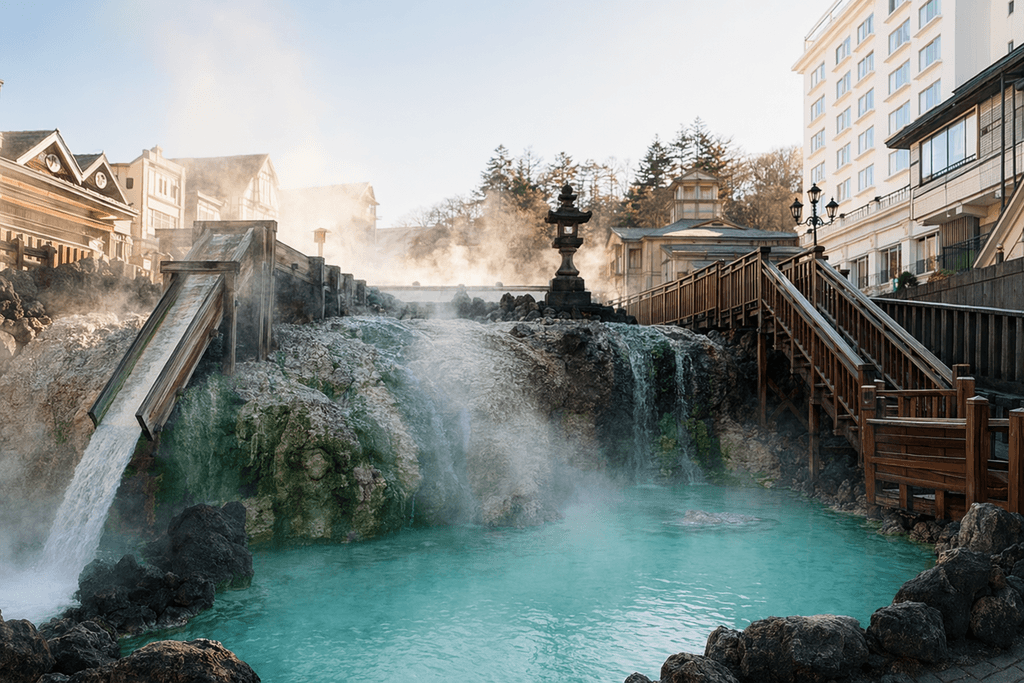
この町は温泉( )有名です。
Tingnan ang pahiwatig
This town is famous for its hot springs.
この町は温泉( )有名です。
で
この町は温泉( )有名です。
で
Paliwanag
この町は温泉( )有名です。
で
「は〜で有名」 says that a place or person is famous for something. The part before 「で」 gives the reason for that fame.
名詞+は+名詞+で有名だ
~は~で有名
科学( )考え方は大切です。
Tingnan ang pahiwatig
A scientific way of thinking is important.
科学( )考え方は大切です。
的な
科学( )考え方は大切です。
的な
Paliwanag
科学( )考え方は大切です。
的な
「的」 attaches to a noun to describe a quality or approach related to it. Add 「な」 when using the resulting expression before another noun.
名詞+的。名詞を修飾するときは「的な+名詞」
的
-ic; -ical; -al; -like; pertaining to / having the nature of; typical of / relating to; of

試験に合格できる( )、毎日三時間勉強しています。
Tingnan ang pahiwatig
I study for three hours every day so that I can pass the exam.
試験に合格できる( )、毎日三時間勉強しています。
ように
試験に合格できる( )、毎日三時間勉強しています。
ように
Paliwanag
試験に合格できる( )、毎日三時間勉強しています。
ように
「ように」 here means so that
and shows a goal. It often follows a verb expressing ability or a change that is not directly controlled by the person.
動詞辞書形・ない形+ように。可能形・無意志動詞に多い
ように
in order to; so that / as if; as though

雨が強くなら( )、家に帰りましょう。
Tingnan ang pahiwatig
Let's go home before the rain gets heavier.
雨が強くなら( )、家に帰りましょう。
ないうちに
雨が強くなら( )、家に帰りましょう。
ないうちに
Paliwanag
雨が強くなら( )、家に帰りましょう。
ないうちに
「ないうちに」 means before something happens
or while it has not happened yet
. It is often used when someone wants to act before conditions change.
動詞ない形+うちに
~ないうちに
before [V] happens / while it is not yet [the case]

練習( )、日本語が上手になります。
Tingnan ang pahiwatig
The more you practice, the better your Japanese becomes.
練習( )、日本語が上手になります。
すればするほど
練習( )、日本語が上手になります。
すればするほど
Paliwanag
練習( )、日本語が上手になります。
すればするほど
「ば〜ほど」 shows that as one action or condition increases, another result also increases or changes along with it.
動詞ば形+同じ動詞の辞書形+ほど
~ば~ほど

今日はバスに乗る( )、会社まで歩いて行きました。
Tingnan ang pahiwatig
Instead of taking the bus today, I walked to the office.
今日はバスに乗る( )、会社まで歩いて行きました。
代わりに
今日はバスに乗る( )、会社まで歩いて行きました。
代わりに
Paliwanag
今日はバスに乗る( )、会社まで歩いて行きました。
代わりに
「代わりに」 means instead of
or in place of
. It can also describe something given in exchange or as compensation.
動詞普通形+代わりに。名詞+の代わりに
代わりに
instead of / in place of / as a substitute for / in exchange for / to make up for

Naglo-load…

JLPT N3 文法・53項目 / JLPT N3 Grammar: 53 Points

Jonathan Waller 氏の JLPT Resources の文法リスト・レベル分類を出典とし、CC BY の条件に従って DiQt が問題・説明・訳を作成した53項目の文法問題集です。JLPT と同じ形式の、例文の空欄を4つの選択肢から埋める問題で学び、例文の訳はヒントに、意味・使い方と接続の形は解答後の解説に表示されます。JLPT公式の文法リストではありません。
This collection covers 53 grammar points based on the grammar list and level classifications in Jonathan Waller’s JLPT Resources under CC BY, with questions, explanations, and translations created by DiQt. Practice with JLPT-style sentence gap-fill questions with four answer choices, using sentence translations as hints and viewing explanations of meaning, usage, and connection forms after answering. It is not an official JLPT grammar list.
Mga keyboard shortcut
Pagpili ng unang tanong:
Ctrl + Enter
Tingnan ang paliwanag:Ctrl + G
Pagsasara ng feedback:Esc
Habang pumipili ng tanong
Sagutin:Enter
Pagpili ng pagpipilian:↓ o ↑
Pagbasa nang malakas ng tanong:Ctrl + K
Tingnan ang pahiwatig: Ctrl + M
Hindi ko alam: Ctrl + Y



