
JLPT N4 Grammar: Four-Choice Sentence Completion - ยังไม่ตอบ

Practice 49 JLPT N4 grammar points by choosing one of four answers to complete each sentence, with translations as hints and explanations and connection patterns after answering.
-
やりたかったです
-
やるつもりです
-
やってみたかったです
- 使役の助動詞「させる」に受身・可能などの助動詞「られる」が付いた形。意味は主に使役受身(〜することを強いられる)。
- 五段動詞では「〜せられる」のほか、縮約形「〜される」(例: 書かされる)がよく用いられる。
-
てある
-
てすみません
-
たことがある
-
たい
-
てみたい
-
なくちゃいけない
-
そうしやすいです
-
そうするつもりです
-
そうしたいです
-
を
-
へ
-
に
-
と
-
が
-
を
-
かったです
-
すぎました
-
くなりました
-
と
-
ので
-
から
-
なさい
-
にくく
-
やすく
-
休んではいけません
-
休んだことがあります
-
休んだつもりです
昨日、先生に宿題をたくさん( )。
ดูคำใบ้
Yesterday, the teacher made me do a lot of homework.
昨日、先生に宿題をたくさん( )。
やらせられました
昨日、先生に宿題をたくさん( )。
やらせられました
คำอธิบาย
昨日、先生に宿題をたくさん( )。
やらせられました
「させられる」 means being made or forced to do something by someone else. It is the passive of the causative form and often describes doing something unwillingly.
五段動詞のない形から「ない」を取る+せられる/一段動詞の語幹+させられる/する→させられる/来る→来させられる
~させられる

รูปผัน
สรุป “รูปพื้นฐาน” และ “รูปที่ใช้บ่อย” ของคำกริยาช่วยนี้
รูปพื้นฐาน
| รูป | รูปคำ | การใช้ |
|---|---|---|
| รูปก่อนเติม ない, れる, せる (みぜんけい) | รูปที่ใช้ได้แตกต่างกันตามคำกริยาช่วยแต่ละคำ | |
| รูปก่อนเติม ます, たい, た (れんようけい) | รูปที่ใช้ได้แตกต่างกันตามคำกริยาช่วยแต่ละคำ | |
| รูปจบประโยค (しゅうしけい) | รูปนี้เป็นรูปพื้นฐานที่ทำหน้าที่ทางไวยากรณ์ | |
| รูปขยายนาม (れんたいけい) | รูปนี้ใช้ต่างกันตามความสัมพันธ์กับคำที่อยู่ก่อนและหลัง | |
| รูปสมมติ (かていけい) | รูปนี้ใช้เมื่อเกี่ยวข้องกับการแสดงเงื่อนไข | |
| รูปคำสั่ง (めいれいけい) |
วิธีพูดแบบอื่น:
~させられよ
|
บางคำอาจไม่มีรูปนี้ |
รูปที่ใช้บ่อย
| รูป | รูปคำ | การใช้ |
|---|---|---|
| ไม่มีรูปแผลงของคำนี้ที่แสดงได้ | ||
ข้อมูลเพิ่มเติม
弟が宿題で困っているので、あとで手伝っ( )。
ดูคำใบ้
My younger brother is having trouble with his homework, so I'll help him later.
弟が宿題で困っているので、あとで手伝っ( )。
てあげる
弟が宿題で困っているので、あとで手伝っ( )。
てあげる
คำอธิบาย
弟が宿題で困っているので、あとで手伝っ( )。
てあげる
「てあげる」 means do something for someone else's benefit
. Add 「あげる」 to a verb's 「て」 form; it presents the action from the helper's side.
動詞て形+あげる
~てあげる
to do something for someone (generally someone of lower status), showing kindness or favor

今日は早く起き( )から、もう少し寝よう。
ดูคำใบ้
Since it's not necessary to get up early today, let's sleep a little longer.
今日は早く起き( )から、もう少し寝よう。
なくてもいい
今日は早く起き( )から、もう少し寝よう。
なくてもいい
คำอธิบาย
今日は早く起き( )から、もう少し寝よう。
なくてもいい
「なくてもいい」 means do not have to
. It says that doing something is not necessary and does not forbid doing it.
動詞ない形の「ない」を取る+なくてもいい
~なくてもいい

Aさん:これはあなたのかばんですか。Bさん:( )。
ดูคำใบ้
A: Is this your bag? B: Yes.
Aさん:これはあなたのかばんですか。Bさん:( )。
そうです
Aさん:これはあなたのかばんですか。Bさん:( )。
そうです
คำอธิบาย
そうです
Here, 「そうです」 means “Yes, that's right.” It confirms what the other person has just said or asked.
指示語そう+です
そうです
Yes / It seems that (adjective/adjectival phrase) / That's right

財布の中には千円( )ない。
ดูคำใบ้
I have only 1,000 yen in my wallet.
財布の中には千円( )ない。
しか
財布の中には千円( )ない。
しか
คำอธิบาย
財布の中には千円( )ない。
しか
「しか」 followed by a negative predicate means “only” or “nothing but.” Put it after the limited amount or thing; the negative form excludes everything else.
名詞・数量+しか+否定形
しか~ない
only; nothing but / have no choice but to; can only

私は一週間( )二回図書館へ行きます。
ดูคำใบ้
I go to the library twice a week.
私は一週間( )二回図書館へ行きます。
に
私は一週間( )二回図書館へ行きます。
に
คำอธิบาย
私は一週間( )二回図書館へ行きます。
に
Put 「に」 between a length of time and a number of times to show frequency. It means that something happens that many times in each stated period.
期間を表す数量+に+回数
(期間)に(回数)
(frequency) in (period); (frequency) every (period)
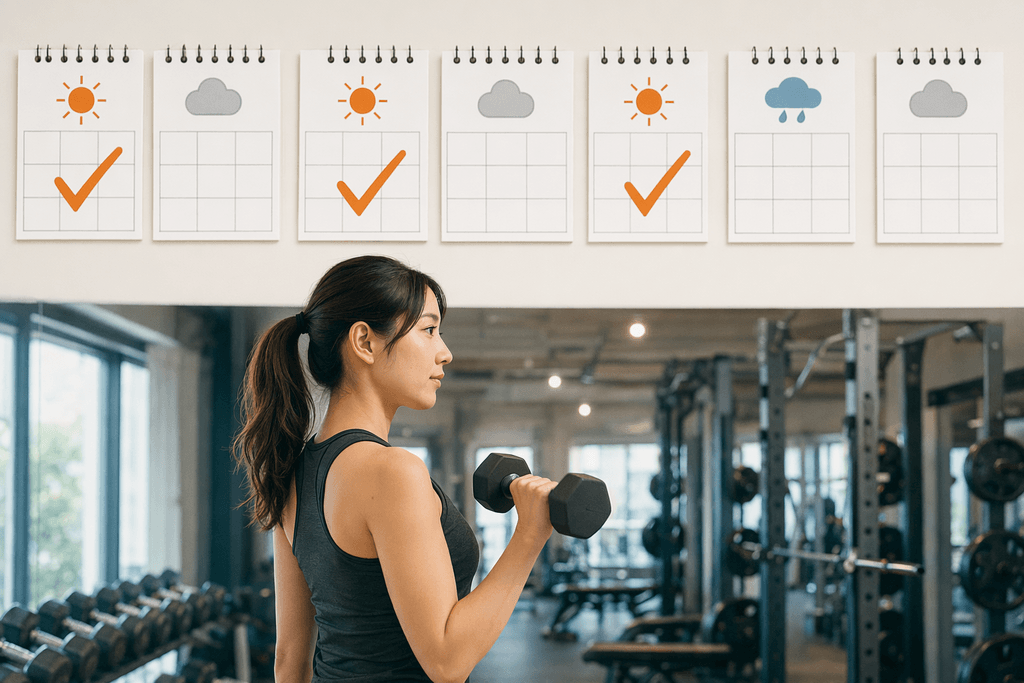
部屋をもっときれいにして、気分を明る( )。
ดูคำใบ้
I made the room cleaner and lifted my mood.
部屋をもっときれいにして、気分を明る( )。
くしました
部屋をもっときれいにして、気分を明る( )。
くしました
คำอธิบาย
部屋をもっときれいにして、気分を明る( )。
くしました
「くする」 means make something become a certain way
. Change the final 「い」 of an 「い」 adjective to 「く」 and add 「する」.
い形容詞の「い」を取る+くする/な形容詞語幹+にする
~くする

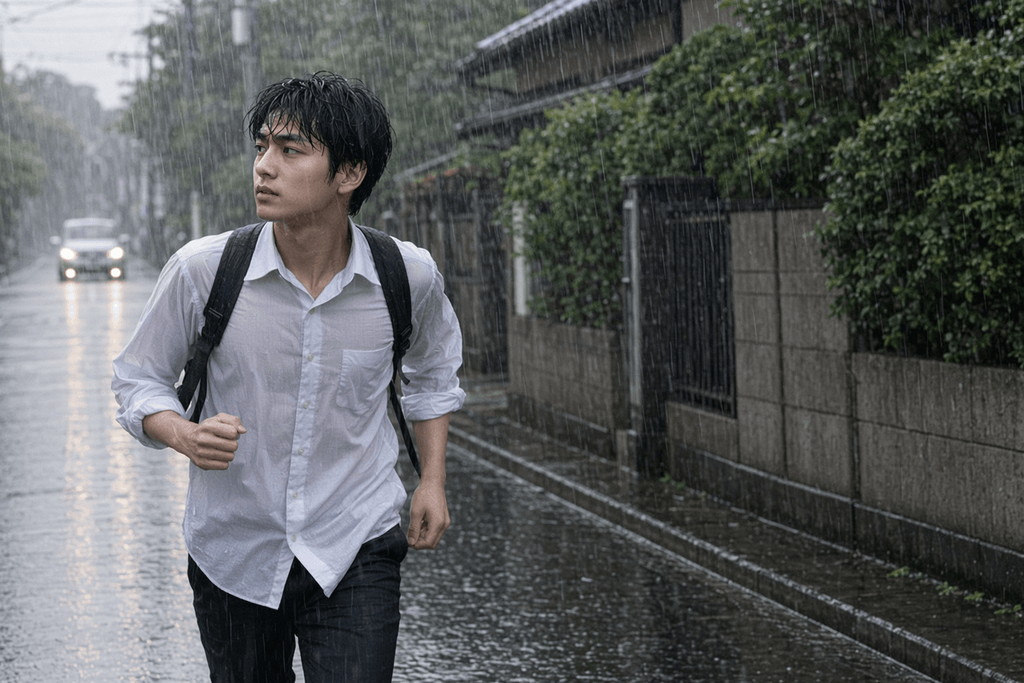
雨が降っている( )、彼は傘を持っていません。
ดูคำใบ้
Despite the rain, he doesn't have an umbrella.
雨が降っている( )、彼は傘を持っていません。
のに
雨が降っている( )、彼は傘を持っていません。
のに
คำอธิบาย
雨が降っている( )、彼は傘を持っていません。
のに
「のに」 means although
or even though
and shows a result contrary to what is normally expected. It often conveys surprise, dissatisfaction, or disappointment.
普通形+のに(名詞・な形容詞はなのに)
のに
音楽を聞き( )、宿題をしました。
ดูคำใบ้
I did my homework while listening to music.
音楽を聞き( )、宿題をしました。
ながら
音楽を聞き( )、宿題をしました。
ながら
คำอธิบาย
音楽を聞き( )、宿題をしました。
ながら
「ながら」 means while
and shows that the same person does two actions at the same time. The main action comes after it.
動詞ます形の語幹+ながら
~ながら
conjunction that expresses simultaneous actions, state, or conditions / conjunction that expresses contrast or contradiction

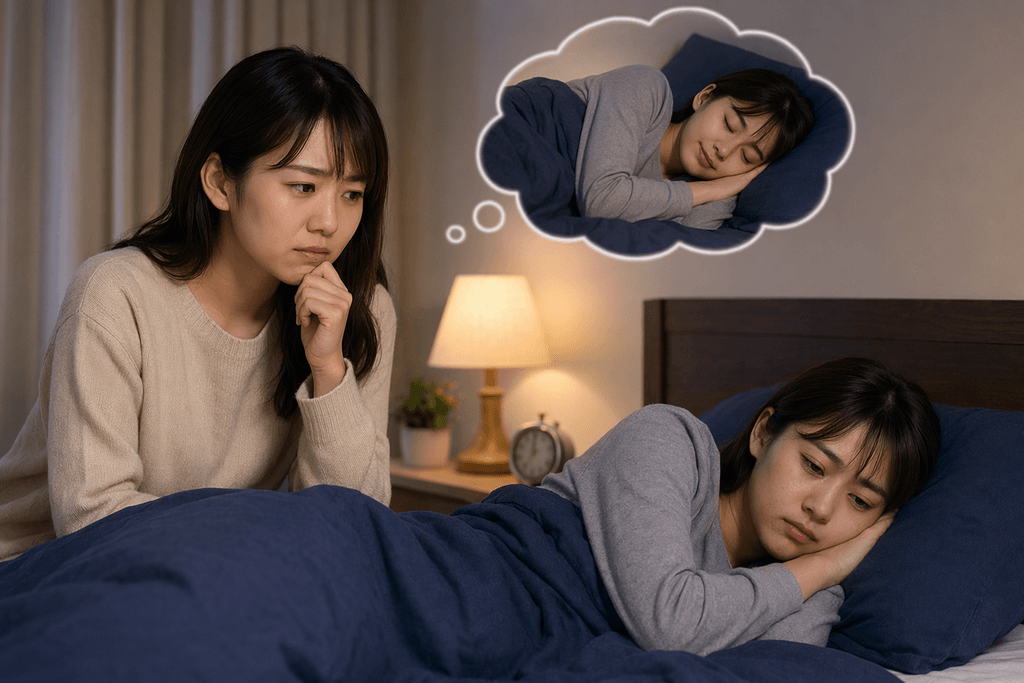
疲れているなら、少し( )。
ดูคำใบ้
If you're tired, why don't you take a short rest?
疲れているなら、少し( )。
休んだらどうですか
疲れているなら、少し( )。
休んだらどうですか
คำอธิบาย
疲れているなら、少し( )。
休んだらどうですか
「たらどうですか」 gives advice, meaning Why don't you ...?
Add 「らどうですか」 to a verb's 「た」 form.
動詞た形+らどうですか
~たらどうですか
กำลังโหลด…

JLPT N4 文法・49項目 / JLPT N4 Grammar: 49 Points

Jonathan Waller 氏の JLPT Resources の文法リスト・レベル分類を出典とし、CC BY の条件に従って DiQt が問題・説明・訳を作った49項目の文法問題集です。JLPT と同じ形式の例文の穴埋め4択で学び、例文の訳はヒントに、文法の説明と接続の形は解答後の解説に表示されます。JLPT公式の文法リストではありません。
This collection of 49 grammar points is based on the grammar list and level classifications in Jonathan Waller’s JLPT Resources under CC BY, with questions, explanations, and translations created by DiQt. Learn through four-choice sentence completion questions in the same format as the JLPT, with sentence translations as hints and grammar explanations and connection patterns shown after answering. It is not an official JLPT grammar list.
แป้นพิมพ์ลัด
การเลือกคำถามแรก:
Ctrl + Enter
ดูคำอธิบาย:Ctrl + G
การปิดผลการตอบ:Esc
ขณะเลือกคำถาม
ตอบ:Enter
การเลือกตัวเลือก:↓ หรือ ↑
การอ่านออกเสียง:Ctrl + K
ดูคำใบ้: Ctrl + M
ไม่รู้: Ctrl + Y



