
JLPT N1 වචන අර්ථ පුහුණුව - Sem resposta

පිළිතුරු විකල්ප හතරක් ඇති ප්රශ්න මඟින් JLPT N1 වචන 3032ක අර්ථ සිංහලෙන් ඉගෙන ගන්න.
-
විලාසවත්
-
තත්ත්වය
-
සියලු දෙනා
-
නීතිමය වැඩිහිටිභාවය
-
සියුම් වෙනස
-
මාලිගාව
-
උසස් බව
-
අනුගත වීම / සුසර කිරීම
-
නාට්ය අනුවර්තනය / අලංකාර කර කීම
-
කෝපය
-
වට්ටම
-
සාක්ෂිය
-
දිරාපත්වීම / දූෂණය
-
ප්රසාරණය
-
ආරම්භක කොටස
-
මුමුණා ගයනවා
-
නවත්වනවා / රඳවාගන්නවා
-
පිරිනමනවා / උගන්වනවා
- 五段活用(ラ行)の動詞。
- 同音の表記に「収まる」「納まる」「修まる」がある。
-
හදිසි තත්ත්වය
-
දිරාපත්වීම / දූෂණය
-
මල් පාත්තිය
-
මුල සිට අග දක්වා
-
සම්පූර්ණයෙන්
-
බලහත්කාරයෙන්
-
හරියටම
-
සාමාන්යයෙන්
-
අධික හුරතලයෙන්
-
කියවීමට බෙදා හැරීම
-
මිශ්ර සම්මුතිය
-
ගනුදෙනුව
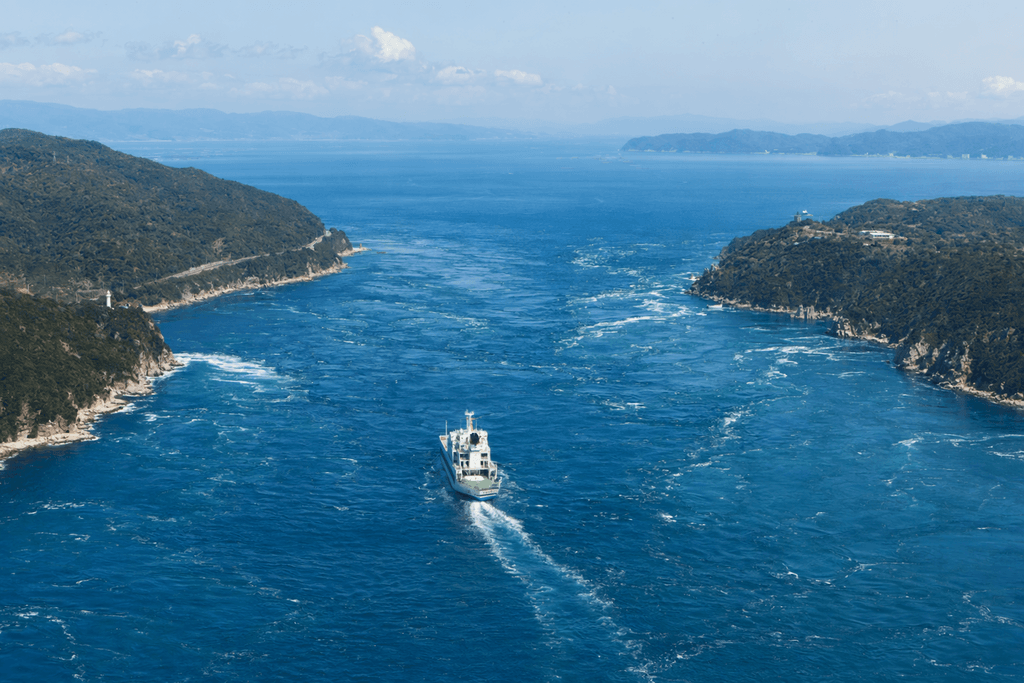
海峡
සමුද්ර සන්ධිය
海峡
සමුද්ර සන්ධිය
Explicação
海峡
සමුද්ර සන්ධිය
海峡
සමුද්ර සන්ධිය / මුහුදු ද්වාරය / මුහුදු පටු මාර්ගය
ඝන මීදුම මැද, මුහුදු සන්ධිය හරහා ගමන් කරන නෞකාවේ විස්ල් ශබ්දය වරින්වර නාදවූ අතර, ගමන්මගේ සුළු අස්ථානගත වීමක් පවා මරණාන්තික විය හැකි බව දැඩිවම දැනුණි.
( Forma básica )
( romanization )
( kyūjitai )
( hiragana )
取り締まり
නීතිය ක්රියාත්මක කිරීම
取り締まり
නීතිය ක්රියාත්මක කිරීම
Explicação
取り締まり
නීතිය ක්රියාත්මක කිරීම
取り締まり
පාලනය / නියාමනය / පරිපාලනය

( Forma básica )
( romanization )
嬢
තරුණිය
嬢
තරුණිය
Explicação
嬢
තරුණිය
嬢
තරුණ මහත්මිය / මෙනෙවිය (ගෞරව නාමය) / දියණිය (ගෞරවයෙන්)

( romanization )
( romanization )
( hiragana historical )
( hiragana )
任命
පත්කිරීම
任命
පත්කිරීම
Explicação
任命
පත්කිරීම
任命
තනතුරකට පත් කිරීම / නිල පත්කිරීම / නාමයෝජනා කිරීම

( Forma básica )
( romanization )
( hiragana )
意向
අභිප්රාය
意向
අභිප්රාය
Explicação
意向
අභිප්රාය
意向
අභිප්රාය / කැමැත්ත / චේතනාව
අදාළ පළාත් පාලන ආයතනවල අභිප් රායන් සම්පූර්ණයෙන්ම සැලකිල්ලට ගැනීමෙන් පසු මූල් ය වර්ෂය තුළ වයස්ගත යටිතල පහසුකම් නැවත සංවර්ධනය කිරීමේ සැලැස්මක් සකස් කිරීමේ ප් රතිපත්තියක් රජය පෙන්වා දුන්නේය.

( Forma básica )
( romanization )
( romanization )
( hiragana historical )
( hiragana )
治まる
සාමකාමී වෙනවා / අඩු වී යනවා
治まる
සාමකාමී වෙනවා / අඩු වී යනවා
Explicação
治まる
සාමකාමී වෙනවා / අඩු වී යනවා
治まる
(අර්බුදය/අශාන්තිය) සන්සුන් වීම, නතර වීම / (රෝග ලක්ෂණ) අඩුවී සනීප වීම / (රට/ප්රදේශයක්) පාලනය වීම, ආණ්ඩු වීම
Formas da palavra
Estas são as formas básicas e frequentes deste verbo.
Formas básicas
| Forma | Forma da palavra | Uso |
|---|---|---|
| Forma irrealis (みぜんけい) |
Outra expressão:
治まろ
|
É a forma que se liga a “ない”, “れる”, “せる” e outras terminações. |
| Forma continuativa (れんようけい) | É a forma que se liga a “ます”, “たい”, “た” e outras terminações. | |
| Forma conclusiva (しゅうしけい) | É a forma do dicionário (じしょけい), usada para terminar uma frase. | |
| Forma atributiva (れんたいけい) | Modifica um substantivo. | |
| Forma condicional (かていけい) | Expressa uma condição ao receber “ば”. | |
| Forma imperativa (めいれいけい) | Expressa uma ordem ou instrução. |
Formas frequentes
| Forma | Forma da palavra | Uso |
|---|---|---|
| Forma て | É usada para ligar orações com “て”. | |
| Forma た | Expressa o passado com “た”. | |
| Forma ない | Expressa negação com “ない”. | |
| Forma ます | É usada na linguagem polida. | |
| Forma ば | Expressa uma condição com “ば”. | |
| Forma volitiva (いしけい) | Expressa intenção ou convite com “よう”. |
Notas
過労
අධික වෙහෙස
過労
අධික වෙහෙස
Explicação
過労
අධික වෙහෙස
過労
අධික වැඩ කිරීම / අති වැඩබරයෙන් මැදීම / වැඩ අතිවීම

( Forma básica )
( romanization )
( kyūjitai )
( hiragana )
真っ二つ
සමාන කොටස් දෙකකට
真っ二つ
සමාන කොටස් දෙකකට
Explicação
真っ二つ
සමාන කොටස් දෙකකට
真っ二つ
හරියටම අඩක්-අඩක් ලෙස කොටස් දෙකකට / සමාන කොටස් දෙකකට බෙදලා / මැදින් දෙකට පළලා

( Forma básica )
( romanization )
余程
බෙහෙවින්
余程
බෙහෙවින්
Explicação
余程
බෙහෙවින්
余程
ඉතාම / බොහෝම / විශාල ලෙස

( Forma básica )
( romanization )
( adnominal )
( adverbial )
( hiragana )
( table-tags )
( inflection-template )
( imperfective stem )
( imperfective stem )
( imperfective )
( continuative stem )
( continuative stem )
( continuative )
( stem terminative )
( stem terminative )
( terminative )
( attributive stem )
( attributive stem )
( attributive )
( hypothetical stem )
( hypothetical stem )
( hypothetical )
( Imperativo stem )
( Imperativo stem )
( Imperativo )
( informal negative )
( informal negative )
( informal negative )
( informal negative )
( informal negative )
( informal negative )
( informal Passado )
( informal Passado )
( informal Passado )
( informal negative Passado )
( informal negative Passado )
( informal negative Passado )
( informal negative Passado )
( informal negative Passado )
( informal negative Passado )
( formal )
( formal )
( formal )
( formal negative )
( formal negative )
( formal negative )
( formal negative )
( formal negative )
( formal negative )
( formal Passado )
( formal Passado )
( formal Passado )
( formal negative Passado )
( formal negative Passado )
( formal negative Passado )
( formal negative Passado )
( formal negative Passado )
( formal negative Passado )
( conjunctive )
( conjunctive )
( conjunctive )
( Condicional )
( Condicional )
( Condicional )
( Condicional Passado )
( Condicional Passado )
( Condicional Passado )
( volitional )
( volitional )
( volitional )
( adverbial )
( adverbial )
( adverbial )
( noun-from-adj )
( noun-from-adj )
( noun-from-adj )
手元
තමා ළඟ
手元
තමා ළඟ
Explicação
手元
තමා ළඟ
手元
අත් අසළ ප්රදේශය / අතට ළඟ තිබෙන දේ; අසල තිබෙන දේ / අතේ මුදල්; මුදල් සංචිතය

( romanization )
( hiragana historical )
Carregando…

JLPT N1 多言語単語帳・3032語 / JLPT N1 Multilingual Vocabulary: 3032 Words

Jonathan Waller 氏の JLPT Resources の語彙リスト・レベル分類を出典とし、CC BY の条件に従って DiQt が学習者向けに意味を作り直した3032語の単語帳です。JLPT公式の語彙リストではありません。
This collection of 3032 words is based on the vocabulary list and level classifications in Jonathan Waller’s JLPT Resources under CC BY, with meanings rewritten by DiQt for learners. It is not an official JLPT vocabulary list.
Atalhos de teclado
Seleção da primeira questão:
Ctrl + Enter
Ver explicação:Ctrl + G
Fechamento do feedback:Esc
Com uma questão selecionada
Responder:Enter
Seleção de alternativa:↓ ou ↑
Leitura do enunciado em voz alta:Ctrl + K
Ver dica: Ctrl + M
Não sei: Ctrl + Y



