
JLPT N2 Vocabulary Meanings - उत्तर नदिइएको

Learn the English meanings of 1790 JLPT N2 words through questions with four answer choices.
-
pistol
-
gray hair
-
round trip
-
drying / dryness
-
geological features
-
beginner level
-
loose / lenient
-
Japanese cedar
-
dormitory
-
event
-
lack of contact
-
affiliation / attachment
-
peek / protrude
-
cure / heal
-
swell up
- 他動詞。五段活用(サ行)。
-
transfer
-
storage
-
affiliation / attachment
-
filial piety
-
medicine / chemicals
-
eldest son
-
bucket
-
public holiday / festival day
-
deduction / balance
-
aimlessly
-
even more
-
in confusion
-
catch fire / come on
-
cherish
-
bend
やかん
kettle
やかん
kettle
व्याख्या
kettle
やかん

( आधारभूत रूप )
( आधारभूत रूप )
( romanization )
( romanization )
( romanization )
( kyūjitai )
( CJK )
( CJK )
( hiragana historical )
( hiragana )
特長
distinctive strength
特長
distinctive strength
व्याख्या
特長
distinctive strength
特長
strong point / forte / merit / advantage / positive feature

( आधारभूत रूप )
( romanization )
( romanization )
( hiragana historical )
( hiragana )
×
cross mark / wrong
×
cross mark / wrong
व्याख्या
cross mark / wrong
×
wrong; incorrect; no good; not allowed; X mark; impossible (not permitted/available)

( romanization )
( hiragana )
( romanization )
( error-unknown-tag )
生年月日
date of birth
生年月日
date of birth
व्याख्या
生年月日
date of birth
生年月日

( आधारभूत रूप )
( romanization )
( hiragana )
照らす
illuminate
照らす
illuminate
व्याख्या
照らす
illuminate
照らす
to illuminate / to shine upon / to refer to

शब्दरूप
यस क्रियाका “आधारभूत रूप” र “प्रचलित रूप” यहाँ दिइएका छन्।
आधारभूत रूप
| रूप | शब्दरूप | प्रयोग |
|---|---|---|
| ない, れる, せる जोडिने रूप (みぜんけい) |
अर्को अभिव्यक्ति:
照らそ
|
“ない”, “れる”, “せる” आदि जोडिने रूप हो। |
| क्रियासंयोजक रूप (れんようけい) | “ます”, “たい”, “た” आदि जोडिने रूप हो। | |
| वाक्य समाप्त गर्ने रूप (しゅうしけい) | वाक्य समाप्त गर्ने शब्दकोश रूप (じしょけい) हो। | |
| नामलाई विशेषित गर्ने रूप (れんたいけい) | नामलाई विशेषित गर्ने रूप हो। | |
| सर्तार्थक रूप (かていけい) | “ば” जोडेर सर्त जनाउने रूप हो। | |
| आज्ञार्थक रूप (めいれいけい) | आज्ञा वा निर्देशन जनाउने रूप हो। |
प्रचलित रूप
| रूप | शब्दरूप | प्रयोग |
|---|---|---|
| て रूप | “~て” बाट वाक्य जोड्दा प्रयोग हुन्छ। | |
| た रूप | भूतकाल (~た) जनाउँछ। | |
| ない रूप | नकारात्मक अर्थ (~ない) जनाउँछ। | |
| ます रूप | विनम्र रूपमा बोल्दा प्रयोग हुन्छ। | |
| ば रूप | सर्त (~ば) जनाउँछ। | |
| इच्छार्थक रूप (いしけい) | इच्छा वा सँगै केही गर्ने प्रस्ताव (~よう) जनाउँछ। |
थप जानकारी
社会科学
social science
社会科学
social science
व्याख्या
社会科学
social science
社会科学

( आधारभूत रूप )
( romanization )
( romanization )
( hiragana historical )
( hiragana )
ミリ
millimeter / milli-
ミリ
millimeter / milli-
व्याख्या
millimeter / milli-
ミリ
Clipping of ミリメートル (mirimētoru, “millimeter”).

( romanization )
抽象
abstraction
抽象
abstraction
व्याख्या
抽象
abstraction
抽象

( आधारभूत रूप )
( romanization )
( stem )
( भूतकालीन रूप )
( table-tags )
( inflection-template )
( imperfective stem )
( imperfective stem )
( imperfective )
( continuative stem )
( continuative stem )
( continuative )
( stem terminative )
( stem terminative )
( terminative )
( attributive stem )
( attributive stem )
( attributive )
( hypothetical stem )
( hypothetical stem )
( hypothetical )
( आज्ञार्थक भाव literary stem )
( colloquial आज्ञार्थक भाव stem )
( आज्ञार्थक भाव literary stem )
( colloquial आज्ञार्थक भाव stem )
( आज्ञार्थक भाव literary )
( colloquial आज्ञार्थक भाव )
( कर्मवाच्य )
( कर्मवाच्य )
( कर्मवाच्य )
( causative )
( causative )
( causative )
( causative )
( causative )
( causative )
( potential )
( potential )
( potential )
( volitional )
( volitional )
( volitional )
( negative )
( negative )
( negative )
( continuative negative )
( continuative negative )
( continuative negative )
( formal )
( formal )
( formal )
( perfective )
( perfective )
( perfective )
( conjunctive )
( conjunctive )
( conjunctive )
( सर्तार्थक भाव hypothetical )
( सर्तार्थक भाव hypothetical )
( सर्तार्थक भाव hypothetical )
いきいき
lively
いきいき
lively
व्याख्या
lively
いきいき

( आधारभूत रूप )
( romanization )
( romanization )
( stem )
( भूतकालीन रूप )
( hiragana historical )
( table-tags )
( inflection-template )
( imperfective stem )
( imperfective )
( continuative stem )
( continuative )
( stem terminative )
( terminative )
( attributive stem )
( attributive )
( hypothetical stem )
( hypothetical )
( आज्ञार्थक भाव literary stem )
( colloquial आज्ञार्थक भाव stem )
( आज्ञार्थक भाव literary )
( colloquial आज्ञार्थक भाव )
( कर्मवाच्य )
( कर्मवाच्य )
( causative )
( causative )
( causative )
( causative )
( potential )
( potential )
( volitional )
( volitional )
( negative )
( negative )
( continuative negative )
( continuative negative )
( formal )
( formal )
( perfective )
( perfective )
( conjunctive )
( conjunctive )
( सर्तार्थक भाव hypothetical )
( सर्तार्थक भाव hypothetical )
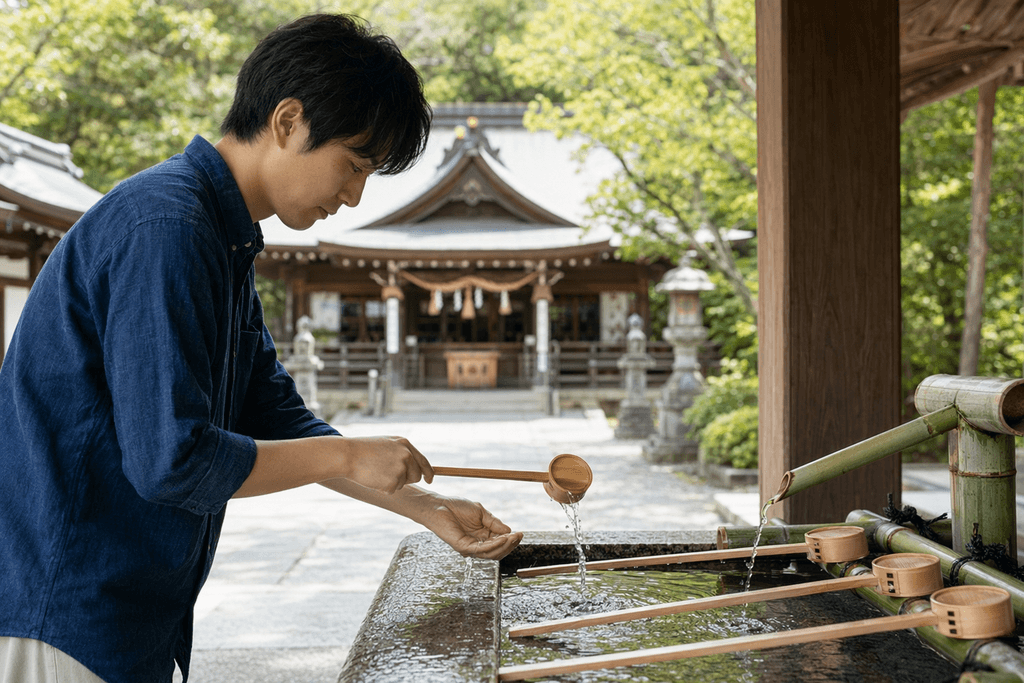
清める
purify
清める
purify
व्याख्या
清める
purify
清める
शब्दरूप
यस क्रियाका “आधारभूत रूप” र “प्रचलित रूप” यहाँ दिइएका छन्।
आधारभूत रूप
| रूप | शब्दरूप | प्रयोग |
|---|---|---|
| ない, れる, せる जोडिने रूप (みぜんけい) | “ない”, “れる”, “せる” आदि जोडिने रूप हो। | |
| क्रियासंयोजक रूप (れんようけい) | “ます”, “たい”, “た” आदि जोडिने रूप हो। | |
| वाक्य समाप्त गर्ने रूप (しゅうしけい) | वाक्य समाप्त गर्ने शब्दकोश रूप (じしょけい) हो। | |
| नामलाई विशेषित गर्ने रूप (れんたいけい) | नामलाई विशेषित गर्ने रूप हो। | |
| सर्तार्थक रूप (かていけい) | “ば” जोडेर सर्त जनाउने रूप हो। | |
| आज्ञार्थक रूप (めいれいけい) |
अर्को अभिव्यक्ति:
清めよ
|
आज्ञा वा निर्देशन जनाउने रूप हो। |
प्रचलित रूप
लोड हुँदैछ…

JLPT N2 多言語単語帳・1790語 / JLPT N2 Multilingual Vocabulary: 1790 Words

Jonathan Waller 氏の JLPT Resources の語彙リスト・レベル分類を出典とし、CC BY の条件に従って DiQt が学習者向けに意味を作り直した1790語の単語帳です。JLPT公式の語彙リストではありません。
This collection of 1790 words is based on the vocabulary list and level classifications in Jonathan Waller’s JLPT Resources under CC BY, with meanings rewritten by DiQt for learners. It is not an official JLPT vocabulary list.
किबोर्ड सर्टकटहरू
पहिलो प्रश्नको छनोट:
Ctrl + Enter
व्याख्या हेर्नुहोस्:Ctrl + G
प्रतिक्रिया बन्द:Esc
प्रश्न छानिएको बेला
उत्तर दिनुहोस्:Enter
विकल्पको छनोट:↓ वा ↑
प्रश्नको वाचन:Ctrl + K
सङ्केत हेर्नुहोस्: Ctrl + M
थाहा छैन: Ctrl + Y



