
JLPT N2 Vocabulary Meanings - उत्तर नदिइएको

Learn the English meanings of 1790 JLPT N2 words through questions with four answer choices.
-
get warm
-
make dirty
-
catch fire / come on
-
political party
-
woman
-
air conditioner
-
unwanted noise
-
split-toe socks
-
concentration / depth of color
-
corpse
-
taking office
-
send-off
-
passage of a bill
-
telephone receiver
-
wooden clogs
-
number of times
-
boundary
-
first / foremost
-
focal point
-
questions and answers
-
raincoat
-
deepen
-
aim for
-
be profitable
-
bell
-
shipping fee
-
filial piety
-
be conveyed / be passed down
-
stroke gently
-
be left over
呆れる
be appalled
呆れる
be appalled
व्याख्या
呆れる
be appalled
呆れる
to be appalled / to be shocked / to be dumbfounded / to be taken aback / to be amazed (in disbelief)

शब्दरूप
यस क्रियाका “आधारभूत रूप” र “प्रचलित रूप” यहाँ दिइएका छन्।
आधारभूत रूप
| रूप | शब्दरूप | प्रयोग |
|---|---|---|
| ない, れる, せる जोडिने रूप (みぜんけい) | “ない”, “れる”, “せる” आदि जोडिने रूप हो। | |
| क्रियासंयोजक रूप (れんようけい) | “ます”, “たい”, “た” आदि जोडिने रूप हो। | |
| वाक्य समाप्त गर्ने रूप (しゅうしけい) | वाक्य समाप्त गर्ने शब्दकोश रूप (じしょけい) हो। | |
| नामलाई विशेषित गर्ने रूप (れんたいけい) | नामलाई विशेषित गर्ने रूप हो। | |
| सर्तार्थक रूप (かていけい) | “ば” जोडेर सर्त जनाउने रूप हो। | |
| आज्ञार्थक रूप (めいれいけい) |
अर्को अभिव्यक्ति:
呆れよ
|
आज्ञा वा निर्देशन जनाउने रूप हो। |
प्रचलित रूप
休講
class cancellation
休講
class cancellation
व्याख्या
休講
class cancellation
休講

( आधारभूत रूप )
( romanization )
( hiragana )
石鹸
soap
石鹸
soap
व्याख्या
石鹸
soap
石鹸

( आधारभूत रूप )
( romanization )
( kyūjitai )
( hiragana )
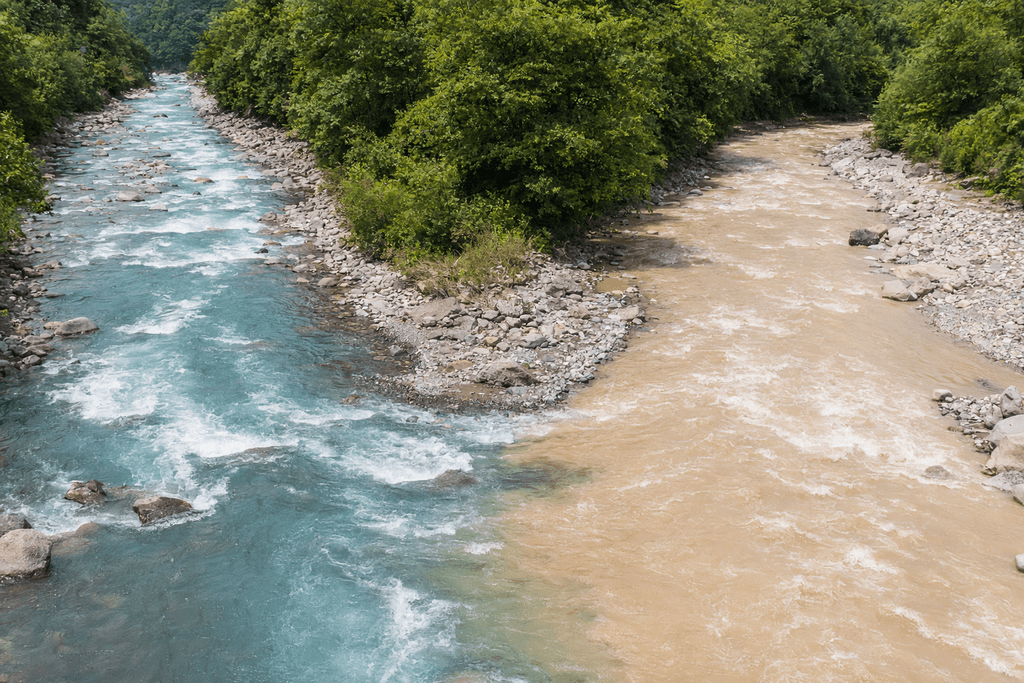
合流
merging / confluence
合流
merging / confluence
व्याख्या
合流
merging / confluence
合流
confluence / merging (of lanes/streams) / junction / joining / meeting up / link-up
( आधारभूत रूप )
( romanization )
( hiragana )
敬語
honorific language
敬語
honorific language
व्याख्या
敬語
honorific language
敬語
(linguistics) respectful or honorific language

( आधारभूत रूप )
( romanization )
( hiragana )
皮肉
sarcasm / irony
皮肉
sarcasm / irony
व्याख्या
皮肉
sarcasm / irony
皮肉

( आधारभूत रूप )
( romanization )
( adnominal )
( adverbial )
( hiragana )
( table-tags )
( inflection-template )
( imperfective stem )
( imperfective stem )
( imperfective )
( continuative stem )
( continuative stem )
( continuative )
( stem terminative )
( stem terminative )
( terminative )
( attributive stem )
( attributive stem )
( attributive )
( hypothetical stem )
( hypothetical stem )
( hypothetical )
( आज्ञार्थक भाव stem )
( आज्ञार्थक भाव stem )
( आज्ञार्थक भाव )
( informal negative )
( informal negative )
( informal negative )
( informal negative )
( informal negative )
( informal negative )
( informal भूतकालीन रूप )
( informal भूतकालीन रूप )
( informal भूतकालीन रूप )
( informal negative भूतकालीन रूप )
( informal negative भूतकालीन रूप )
( informal negative भूतकालीन रूप )
( informal negative भूतकालीन रूप )
( informal negative भूतकालीन रूप )
( informal negative भूतकालीन रूप )
( formal )
( formal )
( formal )
( formal negative )
( formal negative )
( formal negative )
( formal negative )
( formal negative )
( formal negative )
( formal भूतकालीन रूप )
( formal भूतकालीन रूप )
( formal भूतकालीन रूप )
( formal negative भूतकालीन रूप )
( formal negative भूतकालीन रूप )
( formal negative भूतकालीन रूप )
( formal negative भूतकालीन रूप )
( formal negative भूतकालीन रूप )
( formal negative भूतकालीन रूप )
( conjunctive )
( conjunctive )
( conjunctive )
( सर्तार्थक भाव )
( सर्तार्थक भाव )
( सर्तार्थक भाव )
( सर्तार्थक भाव भूतकालीन रूप )
( सर्तार्थक भाव भूतकालीन रूप )
( सर्तार्थक भाव भूतकालीन रूप )
( volitional )
( volitional )
( volitional )
( adverbial )
( adverbial )
( adverbial )
( noun-from-adj )
( noun-from-adj )
( noun-from-adj )
調整
adjustment
調整
adjustment
व्याख्या
調整
adjustment
調整

( आधारभूत रूप )
( romanization )
( romanization )
( stem )
( भूतकालीन रूप )
( hiragana historical )
( table-tags )
( inflection-template )
( imperfective stem )
( imperfective stem )
( imperfective )
( continuative stem )
( continuative stem )
( continuative )
( stem terminative )
( stem terminative )
( terminative )
( attributive stem )
( attributive stem )
( attributive )
( hypothetical stem )
( hypothetical stem )
( hypothetical )
( आज्ञार्थक भाव literary stem )
( colloquial आज्ञार्थक भाव stem )
( आज्ञार्थक भाव literary stem )
( colloquial आज्ञार्थक भाव stem )
( आज्ञार्थक भाव literary )
( colloquial आज्ञार्थक भाव )
( कर्मवाच्य )
( कर्मवाच्य )
( कर्मवाच्य )
( causative )
( causative )
( causative )
( causative )
( causative )
( causative )
( potential )
( potential )
( potential )
( volitional )
( volitional )
( volitional )
( negative )
( negative )
( negative )
( continuative negative )
( continuative negative )
( continuative negative )
( formal )
( formal )
( formal )
( perfective )
( perfective )
( perfective )
( conjunctive )
( conjunctive )
( conjunctive )
( सर्तार्थक भाव hypothetical )
( सर्तार्थक भाव hypothetical )
( सर्तार्थक भाव hypothetical )
分かれる
split / branch off
分かれる
split / branch off
व्याख्या
分かれる
split / branch off
分かれる

शब्दरूप
यस क्रियाका “आधारभूत रूप” र “प्रचलित रूप” यहाँ दिइएका छन्।
आधारभूत रूप
| रूप | शब्दरूप | प्रयोग |
|---|---|---|
| ない, れる, せる जोडिने रूप (みぜんけい) | “ない”, “れる”, “せる” आदि जोडिने रूप हो। | |
| क्रियासंयोजक रूप (れんようけい) | “ます”, “たい”, “た” आदि जोडिने रूप हो। | |
| वाक्य समाप्त गर्ने रूप (しゅうしけい) | वाक्य समाप्त गर्ने शब्दकोश रूप (じしょけい) हो। | |
| नामलाई विशेषित गर्ने रूप (れんたいけい) | नामलाई विशेषित गर्ने रूप हो। | |
| सर्तार्थक रूप (かていけい) | “ば” जोडेर सर्त जनाउने रूप हो। | |
| आज्ञार्थक रूप (めいれいけい) |
अर्को अभिव्यक्ति:
分かれよ
|
आज्ञा वा निर्देशन जनाउने रूप हो। |
प्रचलित रूप
親指
thumb / big toe
親指
thumb / big toe
व्याख्या
親指
thumb / big toe
親指

( आधारभूत रूप )
( romanization )
( hiragana )
含める
include
含める
include
व्याख्या
含める
include
含める
to include; to put in; to take into account / to tell/instruct so that someone understands; to make someone understand
शब्दरूप
यस क्रियाका “आधारभूत रूप” र “प्रचलित रूप” यहाँ दिइएका छन्।
आधारभूत रूप
| रूप | शब्दरूप | प्रयोग |
|---|---|---|
| ない, れる, せる जोडिने रूप (みぜんけい) | “ない”, “れる”, “せる” आदि जोडिने रूप हो। | |
| क्रियासंयोजक रूप (れんようけい) | “ます”, “たい”, “た” आदि जोडिने रूप हो। | |
| वाक्य समाप्त गर्ने रूप (しゅうしけい) | वाक्य समाप्त गर्ने शब्दकोश रूप (じしょけい) हो। | |
| नामलाई विशेषित गर्ने रूप (れんたいけい) | नामलाई विशेषित गर्ने रूप हो। | |
| सर्तार्थक रूप (かていけい) | “ば” जोडेर सर्त जनाउने रूप हो। | |
| आज्ञार्थक रूप (めいれいけい) |
अर्को अभिव्यक्ति:
含めよ
|
आज्ञा वा निर्देशन जनाउने रूप हो। |
प्रचलित रूप
लोड हुँदैछ…

JLPT N2 多言語単語帳・1790語 / JLPT N2 Multilingual Vocabulary: 1790 Words

Jonathan Waller 氏の JLPT Resources の語彙リスト・レベル分類を出典とし、CC BY の条件に従って DiQt が学習者向けに意味を作り直した1790語の単語帳です。JLPT公式の語彙リストではありません。
This collection of 1790 words is based on the vocabulary list and level classifications in Jonathan Waller’s JLPT Resources under CC BY, with meanings rewritten by DiQt for learners. It is not an official JLPT vocabulary list.
किबोर्ड सर्टकटहरू
पहिलो प्रश्नको छनोट:
Ctrl + Enter
व्याख्या हेर्नुहोस्:Ctrl + G
प्रतिक्रिया बन्द:Esc
प्रश्न छानिएको बेला
उत्तर दिनुहोस्:Enter
विकल्पको छनोट:↓ वा ↑
प्रश्नको वाचन:Ctrl + K
सङ्केत हेर्नुहोस्: Ctrl + M
थाहा छैन: Ctrl + Y



