
JLPT N2 Vocabulary Meanings - उत्तर नदिइएको

Learn the English meanings of 1790 JLPT N2 words through questions with four answer choices.
-
perhaps
-
from place to place
-
heart pounding
-
outcome of a contest
-
rags / hidden faults
-
longitude
-
halfway point
-
adjustment
-
storage room
-
plural / more than one
-
start
-
one's seniors
-
seasoning
-
coal mine
-
indirectness
-
take out
-
become clear
-
distribute
- 他動詞。五段活用(サ行)。
- 未然形「汚そ」は意志・推量の助動詞「う」に接続する形。
-
tatami room
-
first ten days of a month
-
mind and body
-
such and such / what
-
pleased to meet you
-
thanks for your work
-
ring finger
-
laundry service
-
direction / field
-
apron
-
samurai
-
vulgarity
何となく
for some reason
何となく
for some reason
व्याख्या
何となく
for some reason
何となく
somehow or other, for some reason or another / somewhat, to some degree

( आधारभूत रूप )
( romanization )
効力
effectiveness / validity
効力
effectiveness / validity
व्याख्या
効力
effectiveness / validity
効力

( आधारभूत रूप )
( romanization )
( kyūjitai )
( hiragana )
出来上がり
completion / finished result
出来上がり
completion / finished result
व्याख्या
出来上がり
completion / finished result
出来上がり

( romanization )
遠足
school excursion
遠足
school excursion
व्याख्या
遠足
school excursion
遠足

( आधारभूत रूप )
( romanization )
( hiragana )
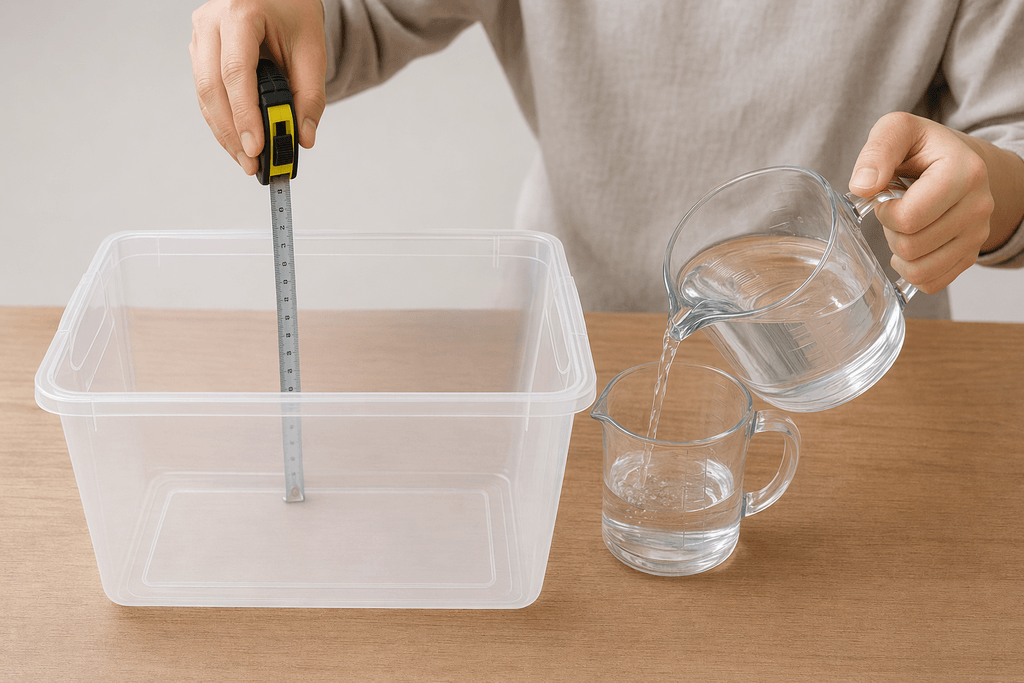
容積
capacity
容積
capacity
व्याख्या
容積
capacity
容積
( आधारभूत रूप )
( romanization )
( hiragana )
汚す
make dirty
汚す
make dirty
व्याख्या
汚す
make dirty
汚す

शब्दरूप
यस क्रियाका “आधारभूत रूप” र “प्रचलित रूप” यहाँ दिइएका छन्।
आधारभूत रूप
| रूप | शब्दरूप | प्रयोग |
|---|---|---|
| ない, れる, せる जोडिने रूप (みぜんけい) |
अर्को अभिव्यक्ति:
汚そ
|
“ない”, “れる”, “せる” आदि जोडिने रूप हो। |
| क्रियासंयोजक रूप (れんようけい) | “ます”, “たい”, “た” आदि जोडिने रूप हो। | |
| वाक्य समाप्त गर्ने रूप (しゅうしけい) | वाक्य समाप्त गर्ने शब्दकोश रूप (じしょけい) हो। | |
| नामलाई विशेषित गर्ने रूप (れんたいけい) | नामलाई विशेषित गर्ने रूप हो। | |
| सर्तार्थक रूप (かていけい) | “ば” जोडेर सर्त जनाउने रूप हो। | |
| आज्ञार्थक रूप (めいれいけい) | आज्ञा वा निर्देशन जनाउने रूप हो। |
प्रचलित रूप
| रूप | शब्दरूप | प्रयोग |
|---|---|---|
| て रूप | “~て” बाट वाक्य जोड्दा प्रयोग हुन्छ। | |
| た रूप | भूतकाल (~た) जनाउँछ। | |
| ない रूप | नकारात्मक अर्थ (~ない) जनाउँछ। | |
| ます रूप | विनम्र रूपमा बोल्दा प्रयोग हुन्छ। | |
| ば रूप | सर्त (~ば) जनाउँछ। | |
| इच्छार्थक रूप (いしけい) | इच्छा वा सँगै केही गर्ने प्रस्ताव (~よう) जनाउँछ। |
थप जानकारी
バンド
band / belt
バンド
band / belt
व्याख्या
band / belt
バンド
band (clothing accessory) / band (group of musicians) / band (type of broadcast frequency)

( romanization )
ごめんください
may I come in?
ごめんください
may I come in?
व्याख्या
may I come in?
ごめんください

過剰
excess
過剰
excess
व्याख्या
過剰
excess
過剰

( आधारभूत रूप )
( romanization )
( kyūjitai )
( hiragana )
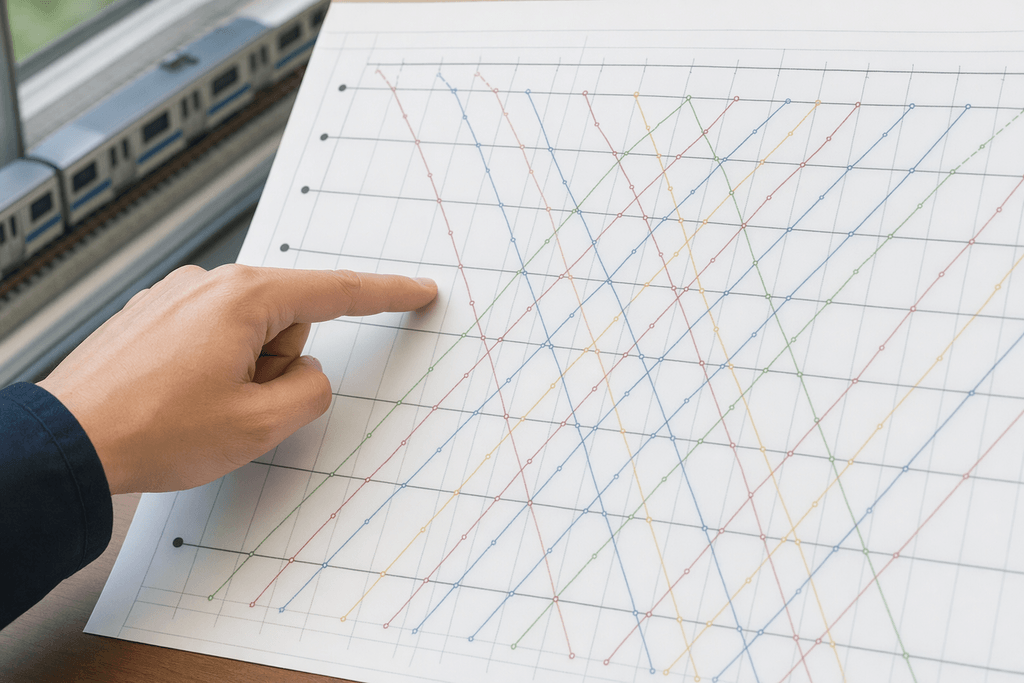
ダイヤグラム
diagram
ダイヤグラム
diagram
व्याख्या
diagram
ダイヤグラム
(railways) timetable diagram; operational time–distance chart (運行図表)
( romanization )
लोड हुँदैछ…

JLPT N2 多言語単語帳・1790語 / JLPT N2 Multilingual Vocabulary: 1790 Words

Jonathan Waller 氏の JLPT Resources の語彙リスト・レベル分類を出典とし、CC BY の条件に従って DiQt が学習者向けに意味を作り直した1790語の単語帳です。JLPT公式の語彙リストではありません。
This collection of 1790 words is based on the vocabulary list and level classifications in Jonathan Waller’s JLPT Resources under CC BY, with meanings rewritten by DiQt for learners. It is not an official JLPT vocabulary list.
किबोर्ड सर्टकटहरू
पहिलो प्रश्नको छनोट:
Ctrl + Enter
व्याख्या हेर्नुहोस्:Ctrl + G
प्रतिक्रिया बन्द:Esc
प्रश्न छानिएको बेला
उत्तर दिनुहोस्:Enter
विकल्पको छनोट:↓ वा ↑
प्रश्नको वाचन:Ctrl + K
सङ्केत हेर्नुहोस्: Ctrl + M
थाहा छैन: Ctrl + Y



