
JLPT N5 Grammar: Sentence Gap-Fill with Four Choices - उत्तर नदिइएको

Practise 40 JLPT N5 grammar points by filling sentence gaps from four choices, with English translations as hints and explanations and connection patterns after answering.
-
のに
-
より
-
か
-
がします
-
がいます
-
になります
-
があります
-
になります
-
がします
- 本項は存在(生物がいる)を表す動詞。別語に「要る(必要だ)」がある(五段活用)。
-
へ
-
を
-
で
-
が
-
を
-
で
-
ない
-
なかった
-
なくて
-
てください
-
ました
-
たことがあります
-
のが下手です
-
のが好きです
-
のが上手です
-
を
-
に
-
で
-
を
-
と
-
に
雨が降っている( )、家にいます。
सङ्केत हेर्नुहोस्
Because it is raining, I will stay home.
雨が降っている( )、家にいます。
ので
雨が降っている( )、家にいます。
ので
व्याख्या
雨が降っている( )、家にいます。
ので
「ので」 follows a clause to give the cause or reason for what comes next. After nouns and na-adjectives in the nonpast affirmative, use 「なので」.
普通形+ので/名詞・な形容詞の現在肯定は+なので
ので
expresses reason or cause; because / used to give a reason or explanation for something

机の上に本( )。
सङ्केत हेर्नुहोस्
There is a book on the desk.
机の上に本( )。
があります
机の上に本( )。
があります
व्याख्या
机の上に本( )。
があります
「があります」 follows a noun to politely say that an object or plant exists; 「が」 marks the thing that is there.
物・植物などの名詞+があります
~があります

教室に先生( )。
सङ्केत हेर्नुहोस्
There is a teacher in the classroom.
教室に先生( )。
がいます
教室に先生( )。
がいます
व्याख्या
教室に先生( )。
がいます
「がいます」 follows a noun to politely say that a person or animal is present; 「が」 marks who or what is there.
人・動物の名詞+がいます
~がいます
A polite expression (using the desu/masu style) to indicate the presence of a person or animal (living thing)

शब्दरूप
यस क्रियाका “आधारभूत रूप” र “प्रचलित रूप” यहाँ दिइएका छन्।
आधारभूत रूप
| रूप | शब्दरूप | प्रयोग |
|---|---|---|
| ない, れる, せる जोडिने रूप (みぜんけい) | “ない”, “れる”, “せる” आदि जोडिने रूप हो। | |
| क्रियासंयोजक रूप (れんようけい) | “ます”, “たい”, “た” आदि जोडिने रूप हो। | |
| वाक्य समाप्त गर्ने रूप (しゅうしけい) | वाक्य समाप्त गर्ने शब्दकोश रूप (じしょけい) हो। | |
| नामलाई विशेषित गर्ने रूप (れんたいけい) | नामलाई विशेषित गर्ने रूप हो। | |
| सर्तार्थक रूप (かていけい) | “ば” जोडेर सर्त जनाउने रूप हो। | |
| आज्ञार्थक रूप (めいれいけい) |
अर्को अभिव्यक्ति:
いよ
|
आज्ञा वा निर्देशन जनाउने रूप हो। |
प्रचलित रूप
| रूप | शब्दरूप | प्रयोग |
|---|---|---|
| て रूप | “~て” बाट वाक्य जोड्दा प्रयोग हुन्छ। | |
| た रूप | भूतकाल (~た) जनाउँछ। | |
| ない रूप | नकारात्मक अर्थ (~ない) जनाउँछ। | |
| ます रूप | विनम्र रूपमा बोल्दा प्रयोग हुन्छ। | |
| ば रूप | सर्त (~ば) जनाउँछ। | |
| इच्छार्थक रूप (いしけい) | इच्छा वा सँगै केही गर्ने प्रस्ताव (~よう) जनाउँछ। |
थप जानकारी
つくえの上に本( )えんぴつがあります。
सङ्केत हेर्नुहोस्
There is a book and a pencil on the desk.
つくえの上に本( )えんぴつがあります。
と
つくえの上に本( )えんぴつがあります。
と
व्याख्या
つくえの上に本( )えんぴつがあります。
と
「と」 between nouns means “and” and lists all the items being referred to. It can also mark the person you do something with.
名詞+と+名詞
と
and / with / if / when
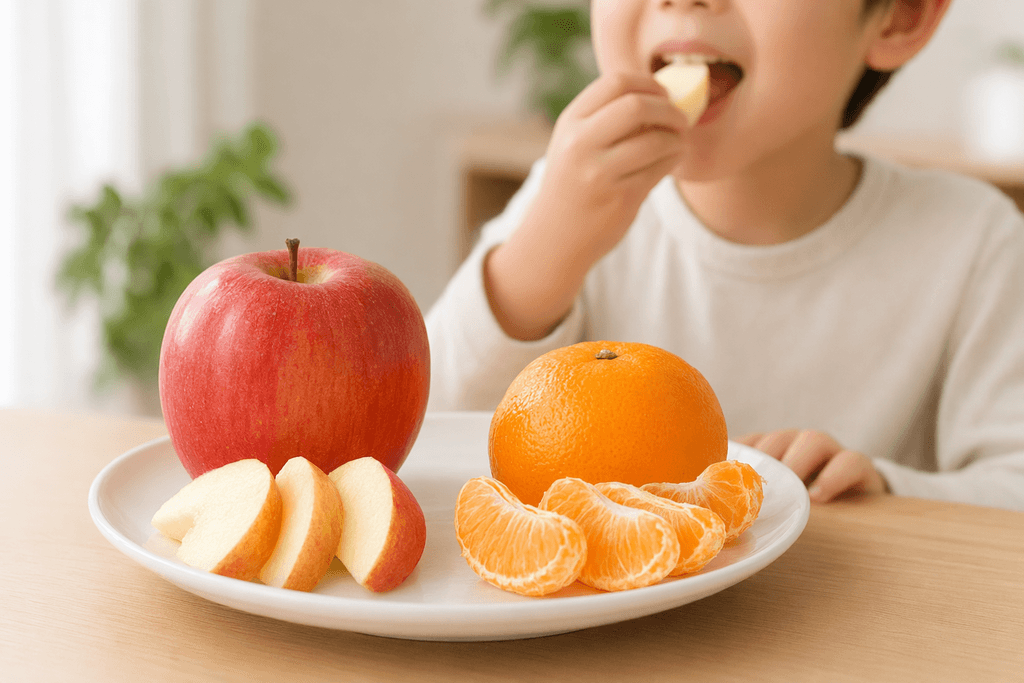
来年、私は大学生( )なる。
सङ्केत हेर्नुहोस्
Next year, I will become a university student.
来年、私は大学生( )なる。
に
来年、私は大学生( )なる。
に
व्याख्या
来年、私は大学生( )なる。
に
「になる」 expresses a change to a new state or role. Use it after nouns or na-adjectives; with i-adjectives, change the final i to ku before adding 「なる」.
名詞・な形容詞語幹+になる/い形容詞のい→く+なる
~になる

ここでタバコを吸わ( )ください。
सङ्केत हेर्नुहोस्
Please do not smoke here.
ここでタバコを吸わ( )ください。
ないで
ここでタバコを吸わ( )ください。
ないで
व्याख्या
ここでタバコを吸わ( )ください。
ないで
「ないでください」 politely asks someone not to do something. It is formed with a verb’s negative form.
動詞ない形+でください
ないでください

私はまだ昼ご飯を食べ( )。
सङ्केत हेर्नुहोस्
I have not eaten lunch yet.
私はまだ昼ご飯を食べ( )。
ていません
私はまだ昼ご飯を食べ( )。
ていません
व्याख्या
私はまだ昼ご飯を食べ( )。
ていません
「まだ~ていません」 means that an action has not been done yet. It usually suggests that it may be done later.
まだ+動詞て形+いません
まだ~ていません

今日はとても寒い( )。
सङ्केत हेर्नुहोस्
It's very cold today.
今日はとても寒い( )。
んです
今日はとても寒い( )。
んです
व्याख्या
今日はとても寒い( )。
んです
「んです」 gives a reason or explanation, especially when answering why.
普通形+んです/名詞・な形容詞の現在肯定は+なんです
~んです
expresses explanatory or justificatory tone; used to provide background or reasons / used to explain or justify a situation; in questions, to request explanation or clarification / adds an explanatory/softening nuance to statements; seeks explanation or confirmation in questions

わたし( )学生です。
は
わたし( )学生です。
は
व्याख्या
わたし( )学生です。
は
「は」 follows a noun to mark the topic or show a contrast; as a particle, it is pronounced wa.
名詞+は
は
topic marker; marks the topic of the sentence / contrastive topic marker / particle marking topic or contrast ('wa')

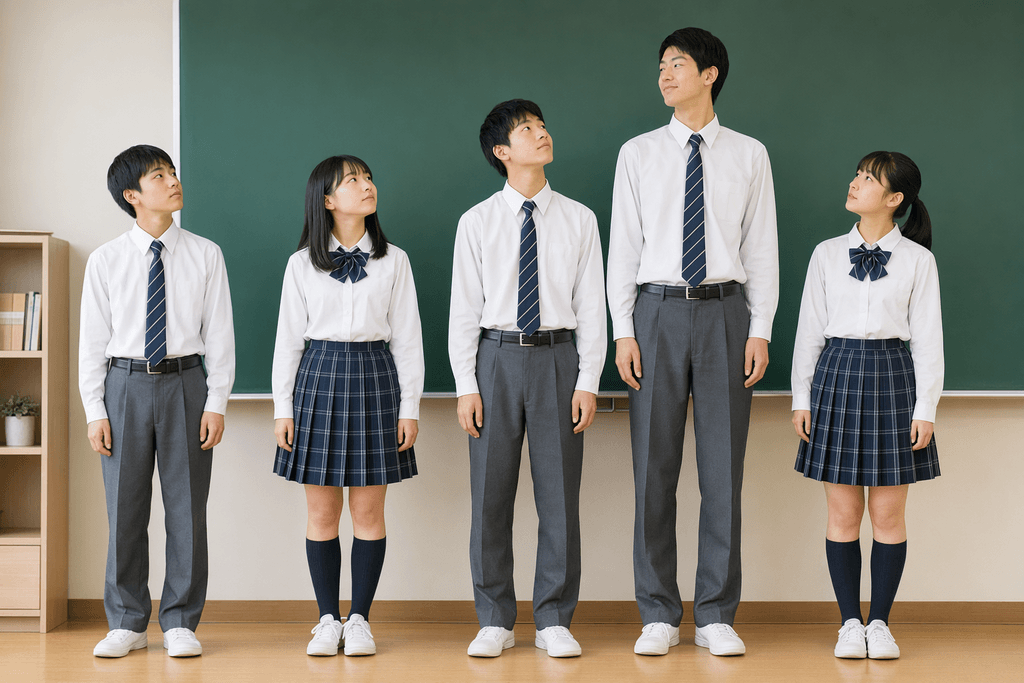
このクラスの中( )田中さんが一番背が高いです。
सङ्केत हेर्नुहोस्
In this class, Tanaka is the tallest.
このクラスの中( )田中さんが一番背が高いです。
で
このクラスの中( )田中さんが一番背が高いです。
で
व्याख्या
このクラスの中( )田中さんが一番背が高いです。
で
「の中で~が一番」 identifies who or what has the most of a quality within a group. State the group first, then name the person or thing that ranks highest.
名詞+の中で+名詞+が一番+形容詞
~の中で~が一番~
among ..., ... is the most ... / the ... is the most ... among ... / of ..., ... is the most ...
लोड हुँदैछ…

JLPT N5 文法・40項目 / JLPT N5 Grammar: 40 Points

JLPTと同じ形式の、例文の空欄に入る表現を4つから選ぶ文法40項目の問題集です。例文の訳はヒントに、文法の説明と接続の形は解答後の解説に表示されます。Jonathan Waller氏のJLPT Resourcesの文法リスト・レベル分類を出典とし、CC BYの条件に従ってDiQtが問題・説明・訳を作成しました。JLPT公式の文法リストではありません。
Practise 40 grammar points with sentence gap-fill questions in the same four-choice format as the JLPT. Sentence translations appear as hints, while grammar explanations and connection patterns appear after answering. Based on the grammar list and level classifications in Jonathan Waller’s JLPT Resources under CC BY, with questions, explanations and translations created by DiQt. This is not an official JLPT grammar list.
किबोर्ड सर्टकटहरू
पहिलो प्रश्नको छनोट:
Ctrl + Enter
व्याख्या हेर्नुहोस्:Ctrl + G
प्रतिक्रिया बन्द:Esc
प्रश्न छानिएको बेला
उत्तर दिनुहोस्:Enter
विकल्पको छनोट:↓ वा ↑
प्रश्नको वाचन:Ctrl + K
सङ्केत हेर्नुहोस्: Ctrl + M
थाहा छैन: Ctrl + Y



