
JLPT N3: Kahulugan ng mga salita - उत्तर नदिइएको

Alamin ang kahulugan ng 1677 salita sa JLPT N3 sa Filipino sa pamamagitan ng mga tanong na may apat na pagpipilian.
-
mula noon
-
pinagmulan / dating
-
biyaheng papunta
-
iyan
-
hindi
-
kumusta
-
sa sandaling / depende sa
-
kaha de yero
-
kasalanan
-
anotasyon
-
inhinyero
-
lupa
-
kapanganakan / lugar ng kapanganakan
-
isang linggo
-
tantiya
-
matanda
-
pagkakasunod
-
puso
-
di-
-
walang
-
mga
-
paghingi ng tawad / dahilan
-
pasalubong
-
kawalang-hanggan
-
bumagay sa
-
paliparin / laktawan
-
ibaba
- 現代語では上一段活用。古風・文語的な対応形として「満つ」がある。
-
tela
-
mga mamamayan
-
pagpili
結論
konklusyon
結論
konklusyon
व्याख्या
結論
konklusyon
結論
konklusyon / pasya / desisyon

( आधारभूत रूप )
( romanization )
( hiragana )
どう
paano
どう
paano
व्याख्या
paano
どう
Kamusta? / Ayos ba? / Hoy!

( romanization )
幸福
kaligayahan
幸福
kaligayahan
व्याख्या
幸福
kaligayahan
幸福
kaligayahan / kasiyahan / kaginhawahan

( आधारभूत रूप )
( romanization )
( romanization )
( hiragana historical )
( hiragana )
セット
set
セット
set
व्याख्या
set
セット
kalipunan ng magkakaugnay na bagay / bahagi ng laro (tennis, bolibol) / set ng entablado o pelikula

( romanization )
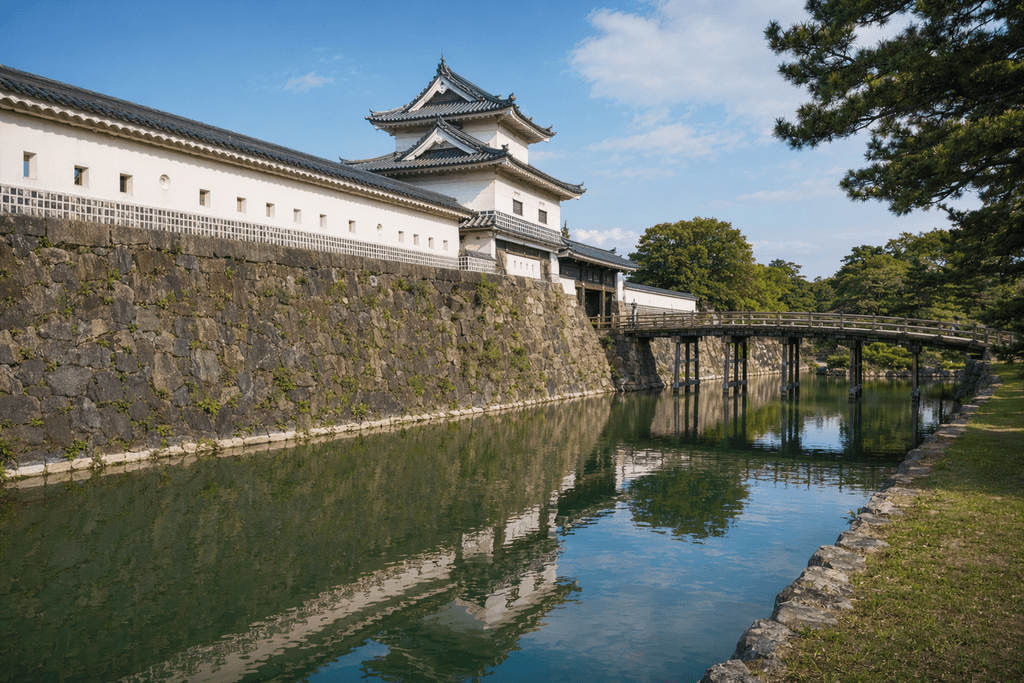
濠
kanal sa palibot ng kastilyo
濠
kanal sa palibot ng kastilyo
व्याख्या
濠
kanal sa palibot ng kastilyo
濠
Hukay na palibot sa kuta o kastilyo. / Malalim na kanal o hukay para sa tubig o depensa.
( romanization )
( romanization )
( hiragana historical )
( hiragana )
毒
lason
毒
lason
व्याख्या
毒
lason
毒
lason / toksina / nakalalasong sangkap

( romanization )
( hiragana )
生
hilaw / serbesang de-gripo
生
hilaw / serbesang de-gripo
व्याख्या
生
hilaw / serbesang de-gripo
生
buhay / sariwa / hilaw
Pakiusap, isang baso ng draft beer.

( romanization )
ボート
bangkang de-sagwan
ボート
bangkang de-sagwan
व्याख्या
bangkang de-sagwan
ボート

( romanization )
満ちる
mapuno
満ちる
mapuno
व्याख्या
満ちる
mapuno
満ちる
mapuno; lumapit sa kabilugan (buwan) / tumaas (tubig-dagat) / humimog; matapos ang takdang panahon

शब्दरूप
यस क्रियाका “आधारभूत रूप” र “प्रचलित रूप” यहाँ दिइएका छन्।
आधारभूत रूप
| रूप | शब्दरूप | प्रयोग |
|---|---|---|
| ない, れる, せる जोडिने रूप (みぜんけい) | “ない”, “れる”, “せる” आदि जोडिने रूप हो। | |
| क्रियासंयोजक रूप (れんようけい) | “ます”, “たい”, “た” आदि जोडिने रूप हो। | |
| वाक्य समाप्त गर्ने रूप (しゅうしけい) | वाक्य समाप्त गर्ने शब्दकोश रूप (じしょけい) हो। | |
| नामलाई विशेषित गर्ने रूप (れんたいけい) | नामलाई विशेषित गर्ने रूप हो। | |
| सर्तार्थक रूप (かていけい) | “ば” जोडेर सर्त जनाउने रूप हो। | |
| आज्ञार्थक रूप (めいれいけい) |
अर्को अभिव्यक्ति:
満ちよ
|
आज्ञा वा निर्देशन जनाउने रूप हो। |
प्रचलित रूप
| रूप | शब्दरूप | प्रयोग |
|---|---|---|
| て रूप | “~て” बाट वाक्य जोड्दा प्रयोग हुन्छ। | |
| た रूप | भूतकाल (~た) जनाउँछ। | |
| ない रूप | नकारात्मक अर्थ (~ない) जनाउँछ। | |
| ます रूप | विनम्र रूपमा बोल्दा प्रयोग हुन्छ। | |
| ば रूप | सर्त (~ば) जनाउँछ। | |
| इच्छार्थक रूप (いしけい) | इच्छा वा सँगै केही गर्ने प्रस्ताव (~よう) जनाउँछ। |
थप जानकारी
よう
paraan / tulad ng
よう
paraan / tulad ng
व्याख्या
paraan / tulad ng
よう
parang / tila / nawa

( romanization )
( romanization )
( adnominal )
( adverbial )
( kyūjitai )
( hiragana historical )
( hiragana )
( table-tags )
( inflection-template )
( imperfective stem )
( imperfective stem )
( imperfective )
( continuative stem )
( continuative stem )
( continuative )
( stem terminative )
( stem terminative )
( terminative )
( attributive stem )
( attributive stem )
( attributive )
( hypothetical stem )
( hypothetical stem )
( hypothetical )
( आज्ञार्थक भाव stem )
( आज्ञार्थक भाव stem )
( आज्ञार्थक भाव )
( informal negative )
( informal negative )
( informal negative )
( informal negative )
( informal negative )
( informal negative )
( informal भूतकालीन रूप )
( informal भूतकालीन रूप )
( informal भूतकालीन रूप )
( informal negative भूतकालीन रूप )
( informal negative भूतकालीन रूप )
( informal negative भूतकालीन रूप )
( informal negative भूतकालीन रूप )
( informal negative भूतकालीन रूप )
( informal negative भूतकालीन रूप )
( formal )
( formal )
( formal )
( formal negative )
( formal negative )
( formal negative )
( formal negative )
( formal negative )
( formal negative )
( formal भूतकालीन रूप )
( formal भूतकालीन रूप )
( formal भूतकालीन रूप )
( formal negative भूतकालीन रूप )
( formal negative भूतकालीन रूप )
( formal negative भूतकालीन रूप )
( formal negative भूतकालीन रूप )
( formal negative भूतकालीन रूप )
( formal negative भूतकालीन रूप )
( conjunctive )
( conjunctive )
( conjunctive )
( सर्तार्थक भाव )
( सर्तार्थक भाव )
( सर्तार्थक भाव )
( सर्तार्थक भाव भूतकालीन रूप )
( सर्तार्थक भाव भूतकालीन रूप )
( सर्तार्थक भाव भूतकालीन रूप )
( volitional )
( volitional )
( volitional )
( adverbial )
( adverbial )
( adverbial )
( noun-from-adj )
( noun-from-adj )
( noun-from-adj )
लोड हुँदैछ…

JLPT N3 多言語単語帳・1677語 / JLPT N3 Multilingual Vocabulary: 1677 Words

Jonathan Waller 氏の JLPT Resources の語彙リスト・レベル分類を出典とし、CC BY の条件に従って DiQt が学習者向けに意味を作り直した1677語の単語帳です。JLPT公式の語彙リストではありません。
This collection of 1677 words is based on the vocabulary list and level classifications in Jonathan Waller’s JLPT Resources under CC BY, with meanings rewritten by DiQt for learners. It is not an official JLPT vocabulary list.
किबोर्ड सर्टकटहरू
पहिलो प्रश्नको छनोट:
Ctrl + Enter
व्याख्या हेर्नुहोस्:Ctrl + G
प्रतिक्रिया बन्द:Esc
प्रश्न छानिएको बेला
उत्तर दिनुहोस्:Enter
विकल्पको छनोट:↓ वा ↑
प्रश्नको वाचन:Ctrl + K
सङ्केत हेर्नुहोस्: Ctrl + M
थाहा छैन: Ctrl + Y



