
JLPT N2 Vocabulary Meanings - 미응답

Learn the English meanings of 1790 JLPT N2 words through questions with four answer choices.
-
cupboard
-
formal application
-
gang
-
scratch / sweat
-
think of an idea
-
go out
-
happen to pass by
-
harden / become fixed
-
believe / trust
-
iron bridge
-
brick
-
cape
-
furthermore
-
not at all / extremely
-
recklessly / excessively
-
sorry / inexcusable
-
tremendous
-
reliable / promising
-
ancestor
-
nutrients
-
event
-
suffice
-
reconsider / think better of
-
stab / sting
-
letter paper
-
cover
-
tray / Obon festival
-
cancel
-
respond / comply
-
regret / mourn
対立
opposition
対立
opposition
해설
対立
opposition
対立
confrontation / opposition / conflict / dispute / standoff

( 기본형 )
( romanization )
( stem )
( 과거형 )
( kyūjitai )
( table-tags )
( inflection-template )
( imperfective stem )
( imperfective stem )
( imperfective )
( continuative stem )
( continuative stem )
( continuative )
( stem terminative )
( stem terminative )
( terminative )
( attributive stem )
( attributive stem )
( attributive )
( hypothetical stem )
( hypothetical stem )
( hypothetical )
( 명령법 literary stem )
( colloquial 명령법 stem )
( 명령법 literary stem )
( colloquial 명령법 stem )
( 명령법 literary )
( colloquial 명령법 )
( 수동태 )
( 수동태 )
( 수동태 )
( causative )
( causative )
( causative )
( causative )
( causative )
( causative )
( potential )
( potential )
( potential )
( volitional )
( volitional )
( volitional )
( negative )
( negative )
( negative )
( continuative negative )
( continuative negative )
( continuative negative )
( formal )
( formal )
( formal )
( perfective )
( perfective )
( perfective )
( conjunctive )
( conjunctive )
( conjunctive )
( 조건법 hypothetical )
( 조건법 hypothetical )
( 조건법 hypothetical )
言いつける
order / tell on
言いつける
order / tell on
해설
言いつける
order / tell on
言いつける

활용형
이 동사의 "기본 형태"와 "자주 쓰는 형태"를 모았어요.
기본 형태
| 형태 | 단어 형태 | 쓰임 |
|---|---|---|
| 미연형(みぜんけい) |
다른 표현:
言い付け
|
"ない", "れる", "せる" 등이 이어지는 형태예요. |
| 연용형(れんようけい) |
다른 표현:
言い付け
|
"ます", "たい", "た" 등이 이어지는 형태예요. |
| 종지형(しゅうしけい) |
다른 표현:
言い付ける
|
문장을 끝맺는 사전형(じしょけい)이에요. |
| 연체형(れんたいけい) |
다른 표현:
言い付ける
|
명사를 수식할 때 쓰는 형태예요. |
| 가정형(かていけい) |
다른 표현:
言い付けれ
|
"ば"를 붙여 조건을 나타내는 형태예요. |
| 명령형(めいれいけい) |
다른 표현:
言い付けろ
言いつけよ
言い付けよ
|
명령이나 지시를 나타내는 형태예요. |
자주 쓰는 형태
努める
make an effort
努める
make an effort
해설
努める
make an effort
努める

활용형
이 동사의 "기본 형태"와 "자주 쓰는 형태"를 모았어요.
기본 형태
| 형태 | 단어 형태 | 쓰임 |
|---|---|---|
| 미연형(みぜんけい) | "ない", "れる", "せる" 등이 이어지는 형태예요. | |
| 연용형(れんようけい) | "ます", "たい", "た" 등이 이어지는 형태예요. | |
| 종지형(しゅうしけい) | 문장을 끝맺는 사전형(じしょけい)이에요. | |
| 연체형(れんたいけい) | 명사를 수식할 때 쓰는 형태예요. | |
| 가정형(かていけい) | "ば"를 붙여 조건을 나타내는 형태예요. | |
| 명령형(めいれいけい) |
다른 표현:
努めよ
|
명령이나 지시를 나타내는 형태예요. |
자주 쓰는 형태
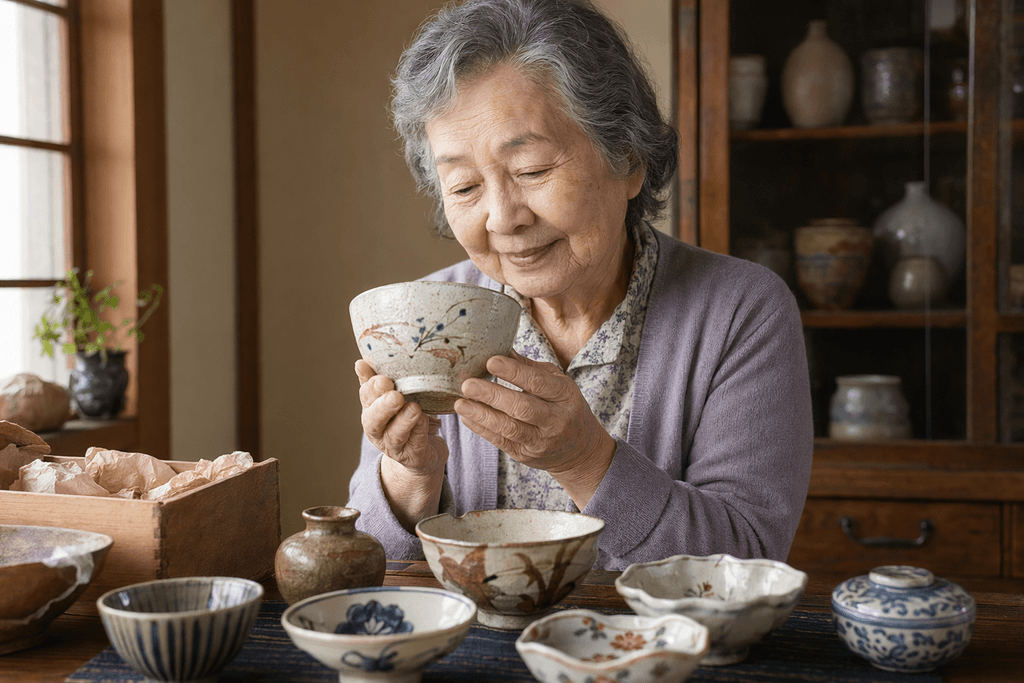
瀬戸物
ceramic ware
瀬戸物
ceramic ware
해설
瀬戸物
ceramic ware
瀬戸物
( 기본형 )
( romanization )
( hiragana )
ひとまず
for now
ひとまず
for now
해설
for now
ひとまず

( romanization )
緩い
loose / lenient
緩い
loose / lenient
해설
緩い
loose / lenient
緩い
loose, loose-fitting, full (of a garment, shoes, accessories, etc.) / easy, slow / lenient, not strict

활용형
이 형용사의 "기본 형태"와 "자주 쓰는 형태"를 모았어요.
기본 형태
| 형태 | 단어 형태 | 쓰임 |
|---|---|---|
| 미연형(みぜんけい) | "~かろう" 등에 쓰는 문어적인 형태예요. | |
| 연용형(れんようけい) |
다른 표현:
緩かっ
|
"~くて", "~くない" 등에 쓰는 형태예요. |
| 종지형(しゅうしけい) | 문장을 끝맺을 때 쓰는 형태예요. | |
| 연체형(れんたいけい) | 명사를 수식할 때 쓰는 형태예요. | |
| 가정형(かていけい) | "~ければ"로 조건을 나타내는 형태예요. | |
| 명령형(めいれいけい) | 현대 일본어에서는 잘 쓰지 않는 형태예요. |
자주 쓰는 형태
通知
notification
通知
notification
해설
通知
notification
通知

( 기본형 )
( romanization )
( stem )
( 과거형 )
( table-tags )
( inflection-template )
( imperfective stem )
( imperfective stem )
( imperfective )
( continuative stem )
( continuative stem )
( continuative )
( stem terminative )
( stem terminative )
( terminative )
( attributive stem )
( attributive stem )
( attributive )
( hypothetical stem )
( hypothetical stem )
( hypothetical )
( 명령법 literary stem )
( colloquial 명령법 stem )
( 명령법 literary stem )
( colloquial 명령법 stem )
( 명령법 literary )
( colloquial 명령법 )
( 수동태 )
( 수동태 )
( 수동태 )
( causative )
( causative )
( causative )
( causative )
( causative )
( causative )
( potential )
( potential )
( potential )
( volitional )
( volitional )
( volitional )
( negative )
( negative )
( negative )
( continuative negative )
( continuative negative )
( continuative negative )
( formal )
( formal )
( formal )
( perfective )
( perfective )
( perfective )
( conjunctive )
( conjunctive )
( conjunctive )
( 조건법 hypothetical )
( 조건법 hypothetical )
( 조건법 hypothetical )
立ち止まる
stop walking
立ち止まる
stop walking
해설
立ち止まる
stop walking
立ち止まる

활용형
이 동사의 "기본 형태"와 "자주 쓰는 형태"를 모았어요.
기본 형태
| 형태 | 단어 형태 | 쓰임 |
|---|---|---|
| 미연형(みぜんけい) |
다른 표현:
立ち止まろ
|
"ない", "れる", "せる" 등이 이어지는 형태예요. |
| 연용형(れんようけい) |
다른 표현:
立ち止まっ
|
"ます", "たい", "た" 등이 이어지는 형태예요. |
| 종지형(しゅうしけい) | 문장을 끝맺는 사전형(じしょけい)이에요. | |
| 연체형(れんたいけい) | 명사를 수식할 때 쓰는 형태예요. | |
| 가정형(かていけい) | "ば"를 붙여 조건을 나타내는 형태예요. | |
| 명령형(めいれいけい) | 명령이나 지시를 나타내는 형태예요. |
자주 쓰는 형태
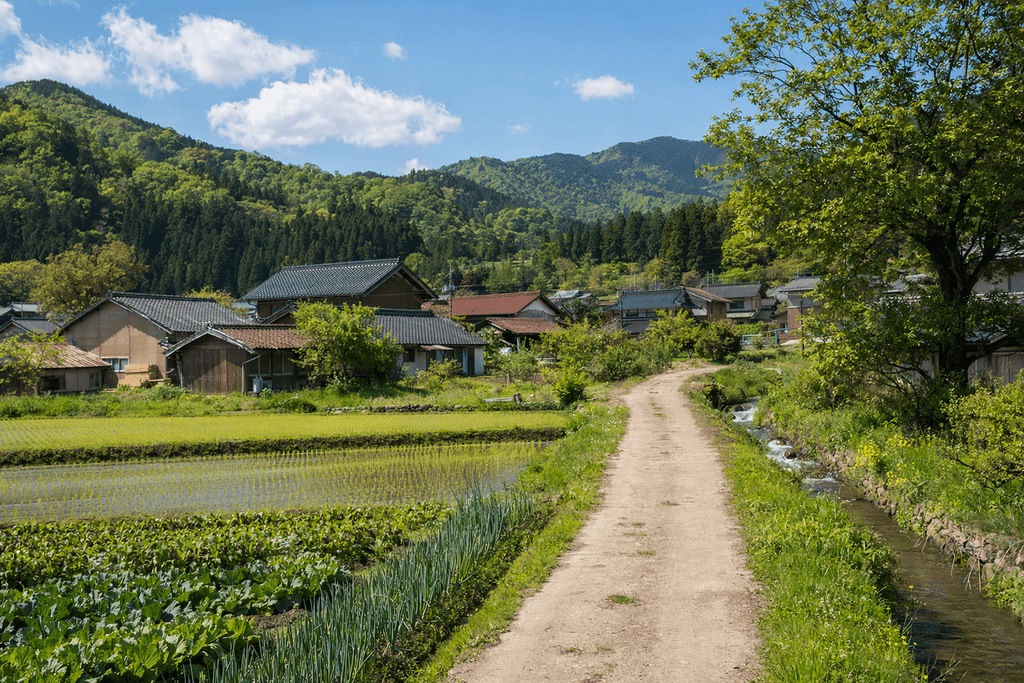
農村
farming village
農村
farming village
해설
農村
farming village
農村
( 기본형 )
( romanization )
( hiragana )
溶け込む
blend in / dissolve into
溶け込む
blend in / dissolve into
해설
溶け込む
blend in / dissolve into
溶け込む
to melt into; to merge into; to dissolve / to fit in (with environment, atmosphere, etc.)

활용형
이 동사의 "기본 형태"와 "자주 쓰는 형태"를 모았어요.
기본 형태
| 형태 | 단어 형태 | 쓰임 |
|---|---|---|
| 미연형(みぜんけい) |
다른 표현:
溶け込も
|
"ない", "れる", "せる" 등이 이어지는 형태예요. |
| 연용형(れんようけい) |
다른 표현:
溶け込ん
|
"ます", "たい", "た" 등이 이어지는 형태예요. |
| 종지형(しゅうしけい) | 문장을 끝맺는 사전형(じしょけい)이에요. | |
| 연체형(れんたいけい) | 명사를 수식할 때 쓰는 형태예요. | |
| 가정형(かていけい) | "ば"를 붙여 조건을 나타내는 형태예요. | |
| 명령형(めいれいけい) | 명령이나 지시를 나타내는 형태예요. |
자주 쓰는 형태
불러오는 중…

JLPT N2 多言語単語帳・1790語 / JLPT N2 Multilingual Vocabulary: 1790 Words

Jonathan Waller 氏の JLPT Resources の語彙リスト・レベル分類を出典とし、CC BY の条件に従って DiQt が学習者向けに意味を作り直した1790語の単語帳です。JLPT公式の語彙リストではありません。
This collection of 1790 words is based on the vocabulary list and level classifications in Jonathan Waller’s JLPT Resources under CC BY, with meanings rewritten by DiQt for learners. It is not an official JLPT vocabulary list.
키보드 조작
첫 문제 선택:
Ctrl + Enter
해설 보기:Ctrl + G
피드백 닫기:Esc
문제 선택 시
답 제출:Enter
선택지 선택:↓ 또는 ↑
문제 읽어 주기:Ctrl + K
힌트 표시: Ctrl + M
모르겠어요: Ctrl + Y



