
JLPT N2 Vocabulary Meanings - 미응답

Learn the English meanings of 1790 JLPT N2 words through questions with four answer choices.
-
happen to pass by
-
tell fortunes
-
fit in / put on
- 一段活用の動詞。漢字表記「草臥れる」は一般にかな書きされることも多い。
-
combine roles / be unable to
-
overtake
-
wet
-
fireworks
-
tempo
-
first ten days of a month
-
canal
-
gravitational attraction
-
temperate zone
-
storage room
-
theme
-
in conversation / line busy
-
dull / slow
-
suspicious / doubtful
-
rough / wild
-
North Pole
-
house number
-
nylon
-
number of times
-
stopper / valve
-
each
-
school building
-
greenhouse
-
sign / code
-
stripes
-
health care
-
grading
くたびれる
get tired / wear out
くたびれる
get tired / wear out
해설
get tired / wear out
くたびれる
to get tired / to become exhausted / to be worn out / (of objects/clothing) to become worn out; to look shabby / (in compounds like 待ちくたびれる) to get tired from (waiting)

활용형
이 동사의 "기본 형태"와 "자주 쓰는 형태"를 모았어요.
기본 형태
| 형태 | 단어 형태 | 쓰임 |
|---|---|---|
| 미연형(みぜんけい) |
다른 표현:
草臥れ
|
"ない", "れる", "せる" 등이 이어지는 형태예요. |
| 연용형(れんようけい) |
다른 표현:
草臥れ
|
"ます", "たい", "た" 등이 이어지는 형태예요. |
| 종지형(しゅうしけい) |
다른 표현:
草臥れる
|
문장을 끝맺는 사전형(じしょけい)이에요. |
| 연체형(れんたいけい) |
다른 표현:
草臥れる
|
명사를 수식할 때 쓰는 형태예요. |
| 가정형(かていけい) |
다른 표현:
草臥れれ
|
"ば"를 붙여 조건을 나타내는 형태예요. |
| 명령형(めいれいけい) |
다른 표현:
くたびれよ
草臥れろ
草臥れよ
|
명령이나 지시를 나타내는 형태예요. |
자주 쓰는 형태
| 형태 | 단어 형태 | 쓰임 |
|---|---|---|
| て형 |
다른 표현:
草臥れて
|
"~て"로 문장을 연결할 때 써요. |
| た형 |
다른 표현:
草臥れた
|
과거(~た)를 나타내요. |
| ない형 |
다른 표현:
草臥れない
|
부정(~ない)을 나타내요. |
| ます형 |
다른 표현:
草臥れます
|
정중하게 말할 때 써요. |
| ば형 |
다른 표현:
草臥れれば
|
조건(~ば)을 나타내요. |
| 의지형(いしけい) |
다른 표현:
草臥れよう
|
의지나 권유(~よう)를 나타내요. |
참고
次ぐ
rank next to
次ぐ
rank next to
해설
次ぐ
rank next to
次ぐ
come after, continue after something, follow, be next / be one rank lower than, be second to

활용형
이 동사의 "기본 형태"와 "자주 쓰는 형태"를 모았어요.
기본 형태
| 형태 | 단어 형태 | 쓰임 |
|---|---|---|
| 미연형(みぜんけい) |
다른 표현:
次ご
|
"ない", "れる", "せる" 등이 이어지는 형태예요. |
| 연용형(れんようけい) | "ます", "たい", "た" 등이 이어지는 형태예요. | |
| 종지형(しゅうしけい) | 문장을 끝맺는 사전형(じしょけい)이에요. | |
| 연체형(れんたいけい) | 명사를 수식할 때 쓰는 형태예요. | |
| 가정형(かていけい) | "ば"를 붙여 조건을 나타내는 형태예요. | |
| 명령형(めいれいけい) | 명령이나 지시를 나타내는 형태예요. |
자주 쓰는 형태
皮膚
skin
皮膚
skin
해설
皮膚
skin
皮膚

( 기본형 )
( romanization )
( hiragana )
公表
public announcement
公表
public announcement
해설
公表
public announcement
公表

( 기본형 )
( romanization )
( stem )
( 과거형 )
( table-tags )
( inflection-template )
( imperfective stem )
( imperfective stem )
( imperfective )
( continuative stem )
( continuative stem )
( continuative )
( stem terminative )
( stem terminative )
( terminative )
( attributive stem )
( attributive stem )
( attributive )
( hypothetical stem )
( hypothetical stem )
( hypothetical )
( 명령법 literary stem )
( colloquial 명령법 stem )
( 명령법 literary stem )
( colloquial 명령법 stem )
( 명령법 literary )
( colloquial 명령법 )
( 수동태 )
( 수동태 )
( 수동태 )
( causative )
( causative )
( causative )
( causative )
( causative )
( causative )
( potential )
( potential )
( potential )
( volitional )
( volitional )
( volitional )
( negative )
( negative )
( negative )
( continuative negative )
( continuative negative )
( continuative negative )
( formal )
( formal )
( formal )
( perfective )
( perfective )
( perfective )
( conjunctive )
( conjunctive )
( conjunctive )
( 조건법 hypothetical )
( 조건법 hypothetical )
( 조건법 hypothetical )
湯呑み
teacup
湯呑み
teacup
해설
湯呑み
teacup
湯呑み
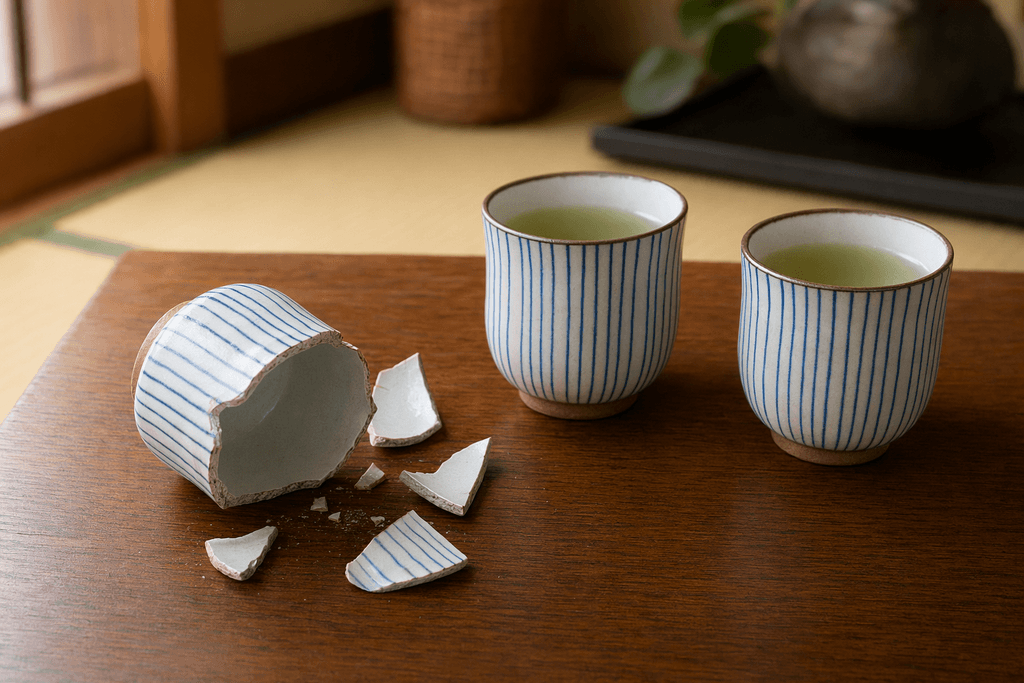
( 기본형 )
( romanization )
清い
clear / pure
清い
clear / pure
해설
清い
clear / pure
清い

활용형
이 형용사의 "기본 형태"와 "자주 쓰는 형태"를 모았어요.
기본 형태
| 형태 | 단어 형태 | 쓰임 |
|---|---|---|
| 미연형(みぜんけい) | "~かろう" 등에 쓰는 문어적인 형태예요. | |
| 연용형(れんようけい) |
다른 표현:
清かっ
|
"~くて", "~くない" 등에 쓰는 형태예요. |
| 종지형(しゅうしけい) | 문장을 끝맺을 때 쓰는 형태예요. | |
| 연체형(れんたいけい) | 명사를 수식할 때 쓰는 형태예요. | |
| 가정형(かていけい) | "~ければ"로 조건을 나타내는 형태예요. | |
| 명령형(めいれいけい) | 현대 일본어에서는 잘 쓰지 않는 형태예요. |
자주 쓰는 형태
レインコート
raincoat
レインコート
raincoat
해설
raincoat

改正
amendment
改正
amendment
해설
改正
amendment
改正
revision / amendment / alteration (esp. of laws, regulations, timetables)

( 기본형 )
( romanization )
( stem )
( 과거형 )
( table-tags )
( inflection-template )
( imperfective stem )
( imperfective stem )
( imperfective )
( continuative stem )
( continuative stem )
( continuative )
( stem terminative )
( stem terminative )
( terminative )
( attributive stem )
( attributive stem )
( attributive )
( hypothetical stem )
( hypothetical stem )
( hypothetical )
( 명령법 literary stem )
( colloquial 명령법 stem )
( 명령법 literary stem )
( colloquial 명령법 stem )
( 명령법 literary )
( colloquial 명령법 )
( 수동태 )
( 수동태 )
( 수동태 )
( causative )
( causative )
( causative )
( causative )
( causative )
( causative )
( potential )
( potential )
( potential )
( volitional )
( volitional )
( volitional )
( negative )
( negative )
( negative )
( continuative negative )
( continuative negative )
( continuative negative )
( formal )
( formal )
( formal )
( perfective )
( perfective )
( perfective )
( conjunctive )
( conjunctive )
( conjunctive )
( 조건법 hypothetical )
( 조건법 hypothetical )
( 조건법 hypothetical )
索引
index
索引
index
해설
索引
index
索引

( 기본형 )
( romanization )
( hiragana )
筆記
note-taking
筆記
note-taking
해설
筆記
note-taking
筆記

( 기본형 )
( romanization )
( hiragana )
불러오는 중…

JLPT N2 多言語単語帳・1790語 / JLPT N2 Multilingual Vocabulary: 1790 Words

Jonathan Waller 氏の JLPT Resources の語彙リスト・レベル分類を出典とし、CC BY の条件に従って DiQt が学習者向けに意味を作り直した1790語の単語帳です。JLPT公式の語彙リストではありません。
This collection of 1790 words is based on the vocabulary list and level classifications in Jonathan Waller’s JLPT Resources under CC BY, with meanings rewritten by DiQt for learners. It is not an official JLPT vocabulary list.
키보드 조작
첫 문제 선택:
Ctrl + Enter
해설 보기:Ctrl + G
피드백 닫기:Esc
문제 선택 시
답 제출:Enter
선택지 선택:↓ 또는 ↑
문제 읽어 주기:Ctrl + K
힌트 표시: Ctrl + M
모르겠어요: Ctrl + Y



