
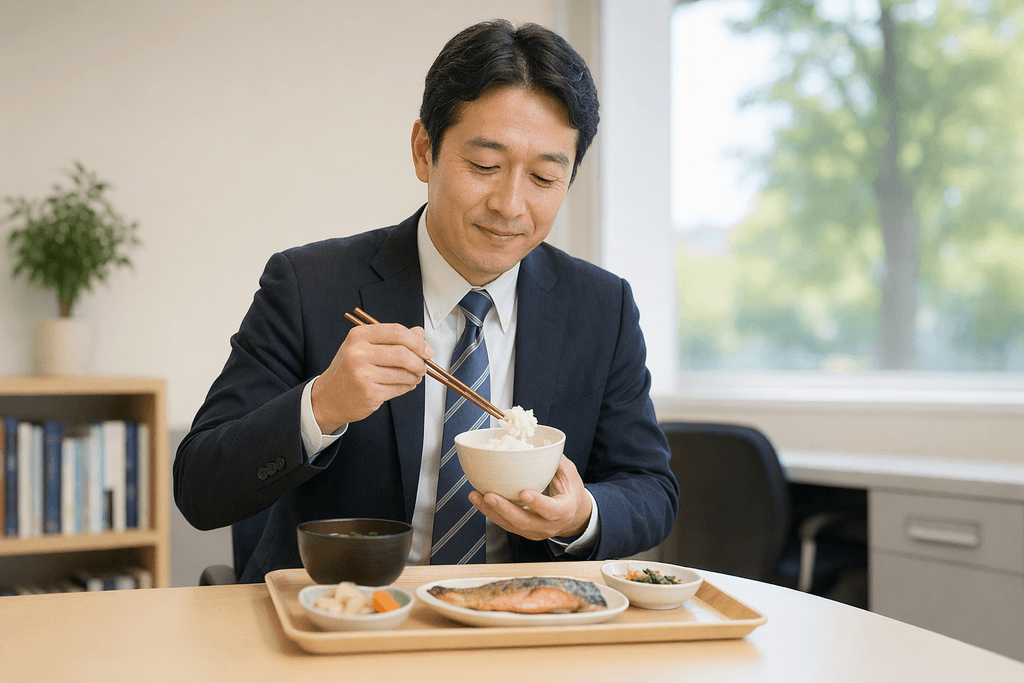
召し上がる
(honorific) to eat
(尊敬語)食べる / (尊敬語)食べる・飲む
「食(た)べる」「飲(の)む」の尊敬語(そんけいご)です。相手(あいて)などの動作(どうさ)を高(たか)めて言(い)う言葉(ことば)です。
吃(敬语) / 用餐(敬语) / 饮用(敬语)
(敬語)吃 / (敬語)用餐 / (敬語)食用
드시다 / 잡수시다
makan (bentuk hormat) / minum (bentuk hormat)
(kehormat) makan / (kehormat) menjamu selera / (kehormat) menyantap
comer (honorífico) / beber (honorífico)
manger (honorifique) / boire (honorifique) / consommer (honorifique; nourriture/boisson)
(onorifico) mangiare / (onorifico) consumare un pasto
(honor.) essen / (honor.) zu sich nehmen
(høfligt) spise / (ærbødigt) indtage mad
(honor.) jeść (o kimś wyżej postawionym) / (honor.) spożywać
(uctivě) jíst / (uctivě) konzumovat, pojídat
(honor.) eten / (honor.) nuttigen / (honor.) gebruiken (van voedsel)
(høflig) spise / (høflig) innta (mat)
äta (hövligt uttryck) / förtära (honorifikt)
(почт.) кушать, принимать пищу / (почт.) есть
(onorific) a mânca / a lua masa (cu respect)
(ввічл.) їсти, приймати їжу / (ввічл.) куштувати
comer (forma honorífica) / alimentar-se (respeitoso)
ăn (kính ngữ) / dùng bữa (kính ngữ) / uống (kính ngữ)
kumain (magalang) / kainin (magalang)
(คำยกย่อง) รับประทาน / เสวย
ກິນ (ຄຳສຸພາບ) / ຮັບປະທານ / ເສວຍ
(saygı ifadesi) yemek yemek / (saygı ifadesi) yemek (tüketmek)
(மரியாதை) உண்பது / (மரியாதை) சாப்பிடுவது / (மரியாதை) உணவு அருந்துவது
(सम्मानसूचक) भोजन करना / (आदर से) खाना
(تعظیمی) تناول فرمانا / (تعظیمی) کھانا کھانا / (تعظیمی) نوش جان فرمانا
(udvarias) eszik / (udvarias) fogyaszt, étkezik / (udvarias) megkóstol
לאכול (בלשון כבוד) / לסעוד (בלשון כבוד)
(সম্মানসূচক) খাবার খাওয়া / (সম্মানসূচক) আহার করা / (সম্মানসূচক) ভোজন করা
खानु (आदरार्थी) / भोजन गर्नु (आदरार्थी)
(ගෞරවයෙන්) කෑම කනවා / (ගෞරවයෙන්) ආහාරය භුක්ති විඳිනවා
(ဂုဏ်ပြု) စားသည်
(хүндэт.) зооглох / (хүндэт.) идэх / (хүндэт.) хүртэх
(hurmat bilan) tanovul qilmoq / (hurmat bilan) yemoq
(فعل احترامآمیز) میلکردن / (فعل احترامآمیز) خوردن
يتناول الطعام (بصيغة احترام) / يأكل (صيغة تعظيم)
បរិភោគ (ពាក្យគោរព) / ទទួលទាន (ពាក្យគោរព)
comer (forma honorífica) / tomar alimentos (forma respeitosa)
食(敬語) / 享用(敬語)
Word Forms
The basic and commonly used forms of this verb.
Basic forms
| Form | Word form | Usage |
|---|---|---|
| Imperfective form (mizenkei) |
Alternative:
召し上がろ
|
Connects to endings such as nai, reru, and seru. |
| Continuative form (renyokei) | Connects to endings such as masu, tai, and ta. | |
| Conclusive form (shushikei) | Ends a sentence and serves as the dictionary form. | |
| Attributive form (rentaikei) | Modifies a noun. | |
| Conditional form (kateikei) | Combines with ba to express a condition. | |
| Imperative form (meireikei) | Expresses a command or instruction. |
Common forms
| Form | Word form | Usage |
|---|---|---|
| Te-form | Connects clauses with te. | |
| Ta-form | Expresses the past with ta. | |
| Nai-form | Expresses negation with nai. | |
| Masu-form | Used for polite speech. | |
| Ba-form | Expresses a condition with ba. | |
| Volitional form | Expresses intention or invitation. |
Notes
- 五段活用(ラ行)。
- 「食べる」「飲む」の尊敬語。
Japanese - Multilingual

- Users who have edit permission for words - All Users
- Screen new word creation
- Screen word edits
- Screen word deletion
- Screen changing entry name
- Users authorized to vote on judging - All Users
- Number of votes required for decision - 1
- Users who have edit permission for sentences - All Users
- Screen sentence deletion
- Users authorized to vote on judging - Editor
- Number of votes required for decision - 1
- Users who have edit permission for quizzes - All Users
- Users authorized to vote on judging - Editor
- Number of votes required for decision - 1



