
JLPT N1 වචන අර්ථ පුහුණුව - Unsolved

පිළිතුරු විකල්ප හතරක් ඇති ප්රශ්න මඟින් JLPT N1 වචන 3032ක අර්ථ සිංහලෙන් ඉගෙන ගන්න.
-
සපිරි වෙනවා
-
හානි කරනවා / කරන්න බැරි වෙනවා
-
දැකගැනීමට නොහැකි වෙනවා / වරද නොසලකා හරිනවා
- 「活かす」とも書く。
-
පුරාණ කාලය
-
ඔක්සිකරණය
-
යළි පැමිණීම
-
නොසැලකිලිමත් / සුදුසු
-
ඉන්ධන
-
කාර්ය මණ්ඩල සාමාජිකයා
-
දෙකම එක්ව පැවතීම
-
දුර නොපෙනීම
-
ආනතිය
-
සහජ බුද්ධිය
-
දීමනාව / වෛද්ය සත්කාරය
-
නැවත හමුවීම
-
සමීප සබඳතාව
-
කිරි ගව පාලනය
-
සුදුසුකම
-
කඳු බෑවුම
-
බහුකාර්යතාව / සර්වබලය
-
ඉංජිනේරුවා
-
රසඥයා / ලිපි
-
අරමුදල්
-
නිල දැනුම්දීම
-
සිදුරු කරනවා / අවසන් වනතුරු කරනවා
-
මඟ පෙන්වනවා
-
එක්කරනවා
-
ඈත් වෙනවා
-
අසනීප වෙනවා
-
පහර දෙනවා
生かす
පණ රකිනවා / ප්රයෝජනයට ගන්නවා
生かす
පණ රකිනවා / ප්රයෝජනයට ගන්නවා
Explanation
生かす
පණ රකිනවා / ප්රයෝජනයට ගන්නවා
生かす
ජීවිතයට නැංවීම/නැවත ජීවත් කරවීම / ජීවිතය ඉතිරි කර දමීම (මරා නොදැමීම) / දක්ෂතා හෝ සම්පත් ප්රයෝජනයට ගැනීම/සම්පූර්ණයෙන් භාවිතා කිරීම
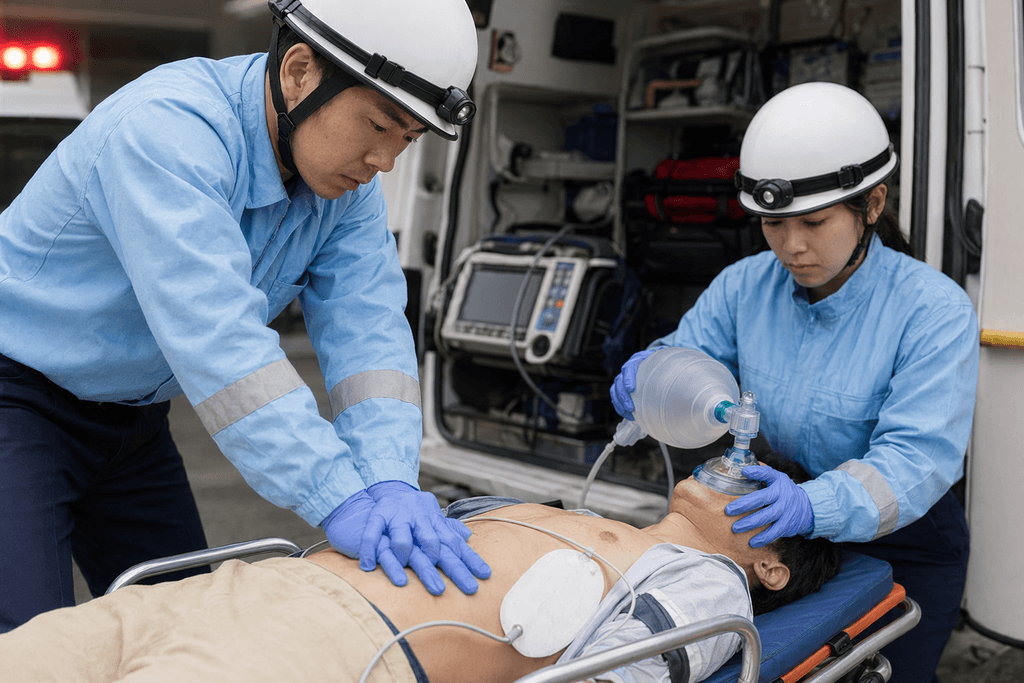
හදිසි ආපදා බේරාගැනීමේ කණ්ඩායම හෘදය හා ශ්වසනය නතරවූ රෝගියාව හැකි උපරිමයෙන් ජීවිතයෙන් රැකගැනීමට උත්සාහ කළත්, ඔවුන් පැමිණෙන විට ඒ දැනටමත් ප්රමාද වී තිබුණි.
Word Forms
The basic and commonly used forms of this verb.
Basic forms
| Form | Word form | Usage |
|---|---|---|
| Imperfective form (mizenkei) |
Alternative:
生かそ
|
Connects to endings such as nai, reru, and seru. |
| Continuative form (renyokei) | Connects to endings such as masu, tai, and ta. | |
| Conclusive form (shushikei) | Ends a sentence and serves as the dictionary form. | |
| Attributive form (rentaikei) | Modifies a noun. | |
| Conditional form (kateikei) | Combines with ba to express a condition. | |
| Imperative form (meireikei) | Expresses a command or instruction. |
Common forms
| Form | Word form | Usage |
|---|---|---|
| Te-form | Connects clauses with te. | |
| Ta-form | Expresses the past with ta. | |
| Nai-form | Expresses negation with nai. | |
| Masu-form | Used for polite speech. | |
| Ba-form | Expresses a condition with ba. | |
| Volitional form | Expresses intention or invitation. |
Notes
養護
ආරක්ෂිත රැකවරණය
養護
ආරක්ෂිත රැකවරණය
Explanation
養護
ආරක්ෂිත රැකවරණය
養護
රැකබලා ගැනීම / සත්කාර කිරීම / සංරක්ෂණය
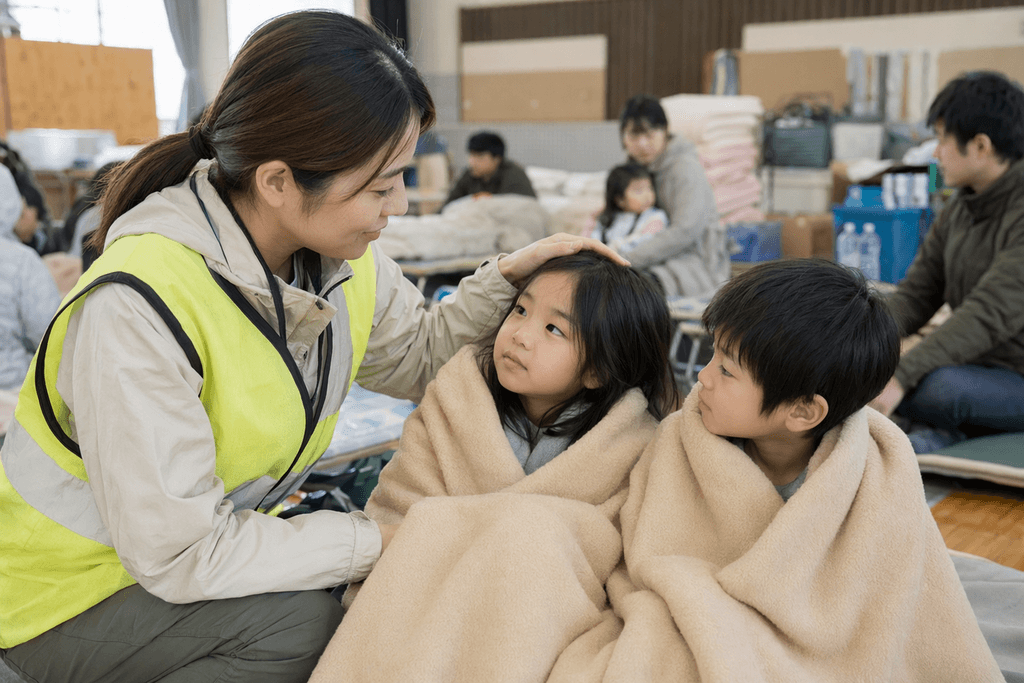
වෙහෙසියට ලක් වූ පසු දරුවන්ට සැලසුම් සහිත සුරක්ෂිත රැකවරණ පද්ධතියක් ගොඩනැගීමට, පරිපාලනය හා ප්රාදේශීය සමාජය එකමුතුවෙන් කටයුතු කරමින් දිගුකාලීන සහයෝග සැලසුමක් සකස් කිරීම අවශ්ය වේ.
( Base form )
( romanization )
( romanization )
( hiragana historical )
( hiragana )
配偶者
කලත්රයා
配偶者
කලත්රයා
Explanation
配偶者
කලත්රයා
配偶者
සහකරු/සහකාරිය (විවාහක) / ස්වාමි හෝ භාර්යාව / විවාහ සහකාරයා/සහකාරිය
උරුම ක් රියා පටිපාටි වලදී, පුද්ගලයෙකුට කලත් රයා සිටීද යන්න උරුමයේ ව් යවස්ථාපිත කොටසට බලපායි, එබැවින් පවුල් ලේඛනයේ සහතික කළ පිටපතක් භාවිතා කරමින් පවුල් සබඳතා පරීක්ෂා කිරීම අවශ් ය වේ.

( Base form )
( romanization )
( hiragana )
真実
සත්යය
真実
සත්යය
Explanation
真実
සත්යය
真実
සත්යය / යථාර්ථය / සත්ය තත්ත්වය
( Base form )
( romanization )
( kyūjitai )
( hiragana )
( Base form )
( kyūjitai )
( hiragana )
産休
ප්රසූත නිවාඩු
産休
ප්රසූත නිවාඩු
Explanation
産休
ප්රසූත නිවාඩු
産休
මාතෘ නිවාඩු / දරු ප්රසව නිවාඩු
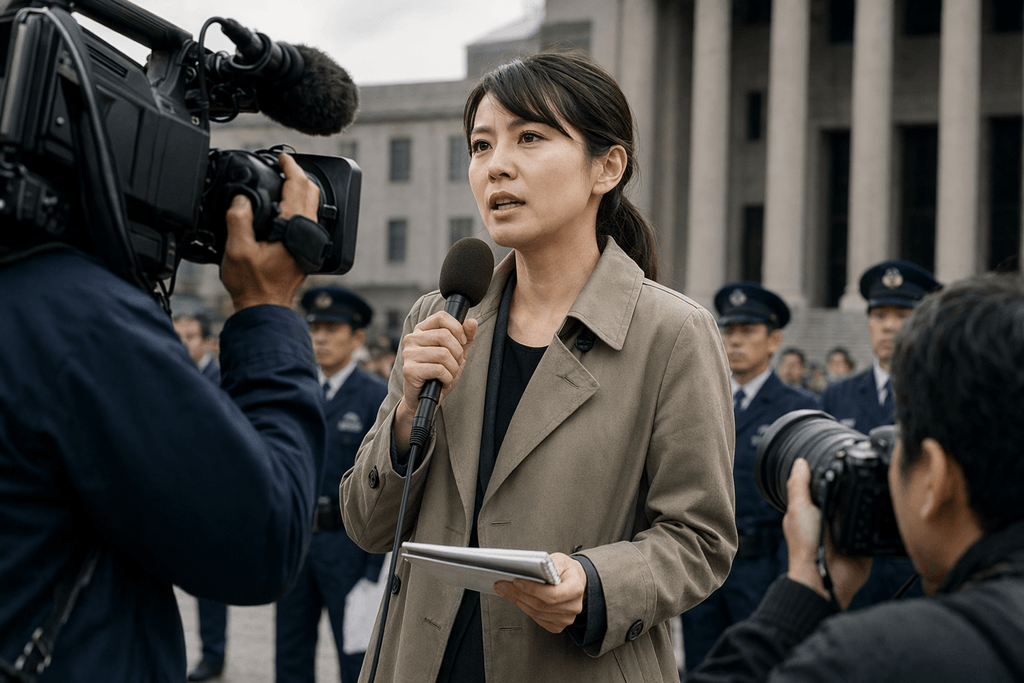
මාතෘකාල නිවාඩුවට යාමට පෙර කාර්ය භාර හුවමාරුව සම්පූර්ණයෙන් ක්රියාත්මක කරමින්, නැවත සේවයට පැමිණීමෙන් පසුත් බාධා නොවීමට සම්බන්ධ අංශ සමඟ ඉතා සූක්ෂමව සම්බන්ධීකරණය කළා.

( Base form )
( romanization )
( romanization )
( hiragana historical )
( hiragana )
結び付き
බැඳීම
結び付き
බැඳීම
Explanation
結び付き
බැඳීම
結び付き
සම්බන්ධතාවය / සබඳතාවය / සන්ධානය

( Base form )
( romanization )
満場
මුළු ප්රේක්ෂක පිරිස
満場
මුළු ප්රේක්ෂක පිරිස
Explanation
満場
මුළු ප්රේක්ෂක පිරිස
満場
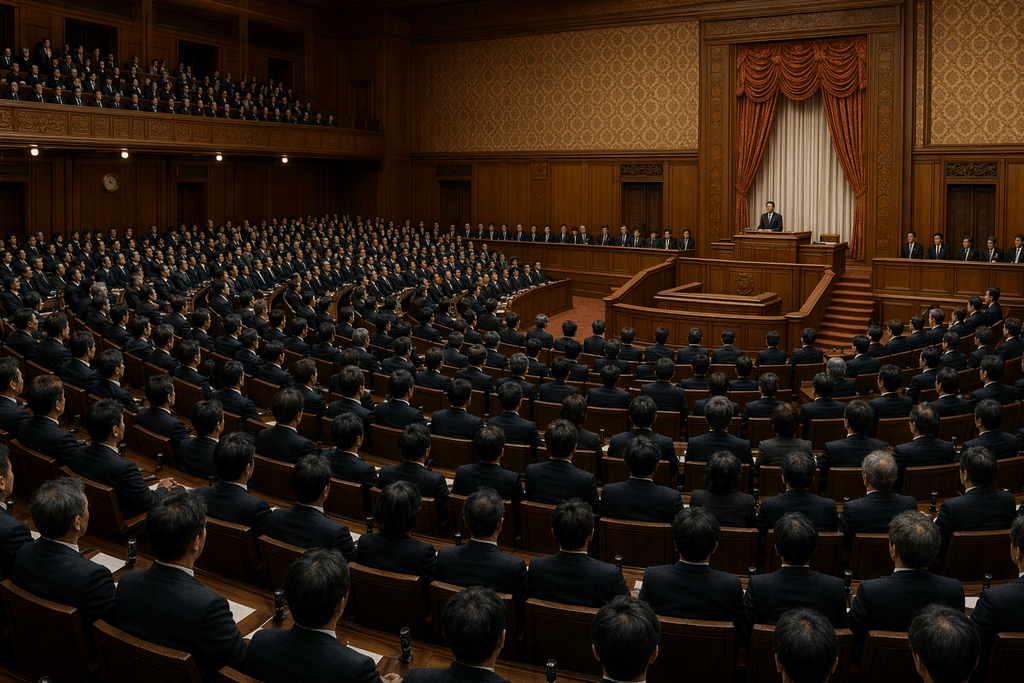
සම්පූර්ණ ප්රේක්ෂකාගාරය / මුළු පිරිස / සියලු ප්රේක්ෂකයෝ
( Base form )
( romanization )
( romanization )
( kyūjitai )
( hiragana historical )
( hiragana )
人質
ප්රාණ ඇපකරු
人質
ප්රාණ ඇපකරු
Explanation
人質
ප්රාණ ඇපකරු
人質
ප්රාණ ඇපකරු / ණය ඇප වශයෙන් වහල්භාවයට පත්වීම / ඇප වශයෙන් රඳවාගෙන සිටීම

( Base form )
( romanization )
( hiragana )
取り立てる
ණය අයකරනවා / උසස් කරනවා
取り立てる
ණය අයකරනවා / උසස් කරනවා
Explanation
取り立てる
ණය අයකරනවා / උසස් කරනවා
取り立てる
(ණය ආදිය) අය කරගැනීම / බද්ද/ගාස්තු එකතු කිරීම / බලවත්ව අය කිරීම

Word Forms
The basic and commonly used forms of this verb.
Basic forms
| Form | Word form | Usage |
|---|---|---|
| Imperfective form (mizenkei) | Connects to endings such as nai, reru, and seru. | |
| Continuative form (renyokei) | Connects to endings such as masu, tai, and ta. | |
| Conclusive form (shushikei) | Ends a sentence and serves as the dictionary form. | |
| Attributive form (rentaikei) | Modifies a noun. | |
| Conditional form (kateikei) | Combines with ba to express a condition. | |
| Imperative form (meireikei) |
Alternative:
取り立てよ
|
Expresses a command or instruction. |
Common forms
掬う
හැන්දෙන් ගන්නවා
掬う
හැන්දෙන් ගන්නවා
Explanation
掬う
හැන්දෙන් ගන්නවා
掬う
හැන්දකින් ගෙන එළියට ගැනීම / දිය ඇදගෙන ගැනීම / දිය ඉවතට හොඳා ගැනීම

Word Forms
The basic and commonly used forms of this verb.
Basic forms
| Form | Word form | Usage |
|---|---|---|
| Imperfective form (mizenkei) |
Alternative:
掬お
|
Connects to endings such as nai, reru, and seru. |
| Continuative form (renyokei) | Connects to endings such as masu, tai, and ta. | |
| Conclusive form (shushikei) | Ends a sentence and serves as the dictionary form. | |
| Attributive form (rentaikei) | Modifies a noun. | |
| Conditional form (kateikei) | Combines with ba to express a condition. | |
| Imperative form (meireikei) | Expresses a command or instruction. |
Common forms
Loading...

JLPT N1 多言語単語帳・3032語 / JLPT N1 Multilingual Vocabulary: 3032 Words

Jonathan Waller 氏の JLPT Resources の語彙リスト・レベル分類を出典とし、CC BY の条件に従って DiQt が学習者向けに意味を作り直した3032語の単語帳です。JLPT公式の語彙リストではありません。
This collection of 3032 words is based on the vocabulary list and level classifications in Jonathan Waller’s JLPT Resources under CC BY, with meanings rewritten by DiQt for learners. It is not an official JLPT vocabulary list.
Key Operations
Select the first quiz:
Ctrl + Enter
View Explanation:Ctrl + G
Close a feedback:Esc
When selecting a quiz
Answer:Enter
Select a choice:↓ or ↑
Reading out the question:Ctrl + K
View Hint: Ctrl + M
I don't know: Ctrl + Y



