
JLPT N1 වචන අර්ථ පුහුණුව - Unsolved

පිළිතුරු විකල්ප හතරක් ඇති ප්රශ්න මඟින් JLPT N1 වචන 3032ක අර්ථ සිංහලෙන් ඉගෙන ගන්න.
-
වෙස් මාරු කරනවා
-
ආහාර සපයනවා / වියදම් දරනවා
-
වෙනතකට යොමු කරනවා
-
තුවාල ලබනවා
-
මෙහාට එවනවා
-
ලජ්ජා වෙනවා
-
හෝඩුවාව සොයනවා / මඟ දිගේ යනවා
-
හෙම්බත් වෙනවා
-
සතු වෙනවා
-
ප්රශංසාව
-
කඳු ගැට පෙළ
-
කලවය
-
ඉහත සඳහන්
-
මහත්මිය
-
නිදහස් කිරීම
-
චාම් බව
-
එක් හුස්මක් / එකවරම
-
සිදුවීම් පෙළ
-
නොදියුණු
-
ප්රකෘති
-
ඉතා දිගු
-
පණිවිඩය
-
මගේ පුතා
-
රසායනික සංයෝජනය
-
අපහාසය
-
ප්රත්යක්ෂ අත්දැකීම
-
රාජ්යතාන්ත්රික සබඳතා
-
ගොඩනඟනවා
-
කොටස්වලට වෙන් කරනවා / මෙහෙයවනවා
-
කලබල වෙනවා
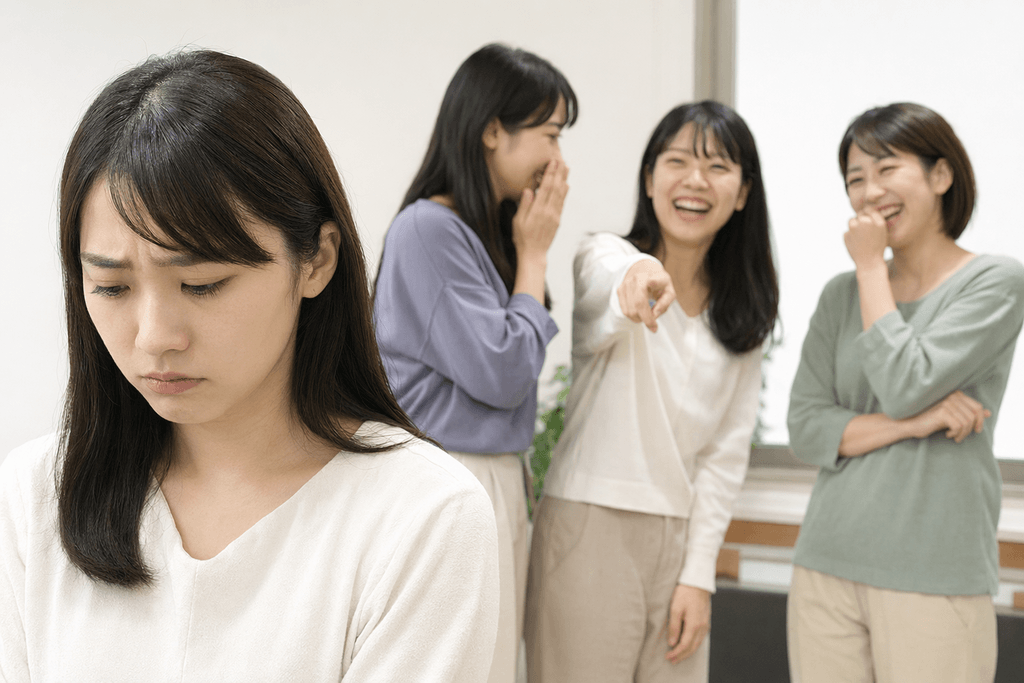
貶す
නිගා කරනවා
貶す
නිගා කරනවා
Explanation
貶す
නිගා කරනවා
貶す
අවමන් කර කියීම / නින්දා කිරීම / දුෂණය කිරීම
Word Forms
The basic and commonly used forms of this verb.
Basic forms
| Form | Word form | Usage |
|---|---|---|
| Imperfective form (mizenkei) |
Alternative:
貶そ
|
Connects to endings such as nai, reru, and seru. |
| Continuative form (renyokei) | Connects to endings such as masu, tai, and ta. | |
| Conclusive form (shushikei) | Ends a sentence and serves as the dictionary form. | |
| Attributive form (rentaikei) | Modifies a noun. | |
| Conditional form (kateikei) | Combines with ba to express a condition. | |
| Imperative form (meireikei) | Expresses a command or instruction. |
Common forms
固める
දැඩි කරනවා / තහවුරු කරනවා
固める
දැඩි කරනවා / තහවුරු කරනවා
Explanation
固める
දැඩි කරනවා / තහවුරු කරනවා
固める
දැඩි කිරීම / බලවත්/ස්ථිර කිරීම / ජීවිතය ස්ථාවර කරගැනීම

Word Forms
The basic and commonly used forms of this verb.
Basic forms
| Form | Word form | Usage |
|---|---|---|
| Imperfective form (mizenkei) | Connects to endings such as nai, reru, and seru. | |
| Continuative form (renyokei) | Connects to endings such as masu, tai, and ta. | |
| Conclusive form (shushikei) | Ends a sentence and serves as the dictionary form. | |
| Attributive form (rentaikei) | Modifies a noun. | |
| Conditional form (kateikei) | Combines with ba to express a condition. | |
| Imperative form (meireikei) |
Alternative:
固めよ
|
Expresses a command or instruction. |
Common forms
打ち合わせる
කලින් සාකච්ඡා කරනවා
打ち合わせる
කලින් සාකච්ඡා කරනවා
Explanation
打ち合わせる
කලින් සාකච්ඡා කරනවා
打ち合わせる
වස්තු දෙකක් එකට ගැටීම/තට්ටු කිරීම / පෙරමුණින් සාකච්ඡා කර එකඟ වීම / ඉදිරියට පෙර සකස් කරගැනීම
Word Forms
The basic and commonly used forms of this verb.
Basic forms
| Form | Word form | Usage |
|---|---|---|
| Imperfective form (mizenkei) | Connects to endings such as nai, reru, and seru. | |
| Continuative form (renyokei) | Connects to endings such as masu, tai, and ta. | |
| Conclusive form (shushikei) | Ends a sentence and serves as the dictionary form. | |
| Attributive form (rentaikei) | Modifies a noun. | |
| Conditional form (kateikei) | Combines with ba to express a condition. | |
| Imperative form (meireikei) |
Alternative:
打ち合わせよ
|
Expresses a command or instruction. |
Common forms
艶
දිලිසීම / ආකර්ෂණය
艶
දිලිසීම / ආකර්ෂණය
Explanation
艶
දිලිසීම / ආකර්ෂණය
艶
ආකර්ෂණය / රූපලාවණ්යය / චාම්යය

( romanization )
( kyūjitai )
( hiragana )
消息
කෙනෙකු පිළිබඳ ආරංචිය
消息
කෙනෙකු පිළිබඳ ආරංචිය
Explanation
消息
කෙනෙකු පිළිබඳ ආරංචිය
消息
පුවත / ආරංචිය / නවතම තොරතුරු

( Base form )
( romanization )
( hiragana )
追跡
ලුහුබැඳීම
追跡
ලුහුබැඳීම
Explanation
追跡
ලුහුබැඳීම
追跡
පසුපස හඹායෑම / පසුපස ලුහුබැඳීම / ට්රැකින් කිරීම

( Base form )
( romanization )
( hiragana )
素朴
සරල / නිර්ව්යාජ
素朴
සරල / නිර්ව්යාජ
Explanation
素朴
සරල / නිර්ව්යාජ
素朴
සරල (සිතීමෙන්) / නිර්ලෝභී හා අලංකාර රහිත

Word Forms
The basic and commonly used forms of this adjectival noun.
Basic forms
| Form | Word form | Usage |
|---|---|---|
| Imperfective form (mizenkei) |
Alternative:
素朴でしょ
|
Used in forms such as darou. |
| Continuative form (renyokei) |
Alternative:
素朴に
|
Used with de or ni. |
| Conclusive form (shushikei) |
Alternative:
素朴です
|
Ends a sentence with da. |
| Attributive form (rentaikei) |
Alternative:
素朴なる
|
Modifies a noun with na. |
| Conditional form (kateikei) | Expresses a condition with nara. | |
| Imperative form (meireikei) | Used in formal expressions such as de are. |
Common forms
公開
ප්රසිද්ධ කිරීම
公開
ප්රසිද්ධ කිරීම
Explanation
公開
ප්රසිද්ධ කිරීම
公開
ප්රසිද්ධියට පත් කිරීම/විවෘත කිරීම / නිදහස් කිරීම/නිකුත් කිරීම / තොරතුරු හෙළිදරව් කිරීම

( Base form )
( romanization )
( romanization )
( hiragana historical )
( hiragana )
制裁
සම්බාධක
制裁
සම්බාධක
Explanation
制裁
සම්බාධක
制裁
(නීතිය) දඬුවම / සැන්ක්ෂන් / සම්බාධක පියවර

( Base form )
( romanization )
( hiragana )
逸らす
වෙනතකට යොමු කරනවා
逸らす
වෙනතකට යොමු කරනවා
Explanation
逸らす
වෙනතකට යොමු කරනවා
逸らす
(ඇස්/මුහුණ/අවධානය) වෙනත් පැත්තකට හැරවීම / වැළැක්වීම, මගහැරීම / (ගැටලුවක්/චෝදනාවක්) වෙනත් දෙයකට මාරු කර හැරවීම

Word Forms
The basic and commonly used forms of this verb.
Basic forms
| Form | Word form | Usage |
|---|---|---|
| Imperfective form (mizenkei) |
Alternative:
逸らそ
|
Connects to endings such as nai, reru, and seru. |
| Continuative form (renyokei) | Connects to endings such as masu, tai, and ta. | |
| Conclusive form (shushikei) | Ends a sentence and serves as the dictionary form. | |
| Attributive form (rentaikei) | Modifies a noun. | |
| Conditional form (kateikei) | Combines with ba to express a condition. | |
| Imperative form (meireikei) | Expresses a command or instruction. |
Common forms
Loading...

JLPT N1 多言語単語帳・3032語 / JLPT N1 Multilingual Vocabulary: 3032 Words

Jonathan Waller 氏の JLPT Resources の語彙リスト・レベル分類を出典とし、CC BY の条件に従って DiQt が学習者向けに意味を作り直した3032語の単語帳です。JLPT公式の語彙リストではありません。
This collection of 3032 words is based on the vocabulary list and level classifications in Jonathan Waller’s JLPT Resources under CC BY, with meanings rewritten by DiQt for learners. It is not an official JLPT vocabulary list.
Key Operations
Select the first quiz:
Ctrl + Enter
View Explanation:Ctrl + G
Close a feedback:Esc
When selecting a quiz
Answer:Enter
Select a choice:↓ or ↑
Reading out the question:Ctrl + K
View Hint: Ctrl + M
I don't know: Ctrl + Y



