
JLPT N1 වචන අර්ථ පුහුණුව - Unsolved

පිළිතුරු විකල්ප හතරක් ඇති ප්රශ්න මඟින් JLPT N1 වචන 3032ක අර්ථ සිංහලෙන් ඉගෙන ගන්න.
-
විලුඹ
-
ධ්රැව දෙකම
-
සාක්ෂාත් කිරීම
-
ඇස් පියාගන්නවා
-
නම් තබනවා
-
නොගැළපෙනවා / වෙනස් වෙනවා
-
ප්රතිචාරය / අනුරූපතාව
-
සලකා බැලීම
-
විශ්වාසවන්ත බව
-
විමසනවා
-
තල්ලු කර ඇතුළු කරනවා
-
විනාශ කරනවා
- 漢字表記は「出くわす」。
-
කැපී පෙනෙන
-
දුමෙන් පිරුණු / බියමුසු හැඟීම දෙන
-
කහට රසැති / සංයමයෙන් අලංකාර
-
උගුල් අටවනවා / ආරම්භ කරනවා
-
පැතිරෙනවා
-
මුහුණලා සිටිනවා / සහභාගි වෙනවා
-
සිවිල් ඉංජිනේරු විද්යාව
-
ජනමාධ්ය
-
අංශභාගය / හිරිවැටීම
-
කැපවෙනවා
-
විනාශ වෙනවා
-
මෙහාට එවනවා
-
ප්රචාලනය / ප්රවර්ධනය
-
තාපාංකයට රත් වීම
-
යටත් වීම
-
වාචික පණිවිඩය
-
සංවේදීතාව
-
ගෞරවණීය පෙනුම
姓名
සම්පූර්ණ නම
姓名
සම්පූර්ණ නම
Explanation
姓名
සම්පූර්ණ නම
姓名
සම්පූර්ණ නම / මුල් නම හා වාසගම / පුද්ගල නාමය

( Base form )
( romanization )
( hiragana )
怯える
බියට පත් වෙනවා
怯える
බියට පත් වෙනවා
Explanation
怯える
බියට පත් වෙනවා
怯える
බියවෙන්න / කම්පාවෙන් බියට පත්වෙන්න / බියෙන් පැකිලෙන්න

Word Forms
The basic and commonly used forms of this verb.
Basic forms
| Form | Word form | Usage |
|---|---|---|
| Imperfective form (mizenkei) | Connects to endings such as nai, reru, and seru. | |
| Continuative form (renyokei) | Connects to endings such as masu, tai, and ta. | |
| Conclusive form (shushikei) | Ends a sentence and serves as the dictionary form. | |
| Attributive form (rentaikei) | Modifies a noun. | |
| Conditional form (kateikei) | Combines with ba to express a condition. | |
| Imperative form (meireikei) |
Alternative:
怯えよ
|
Expresses a command or instruction. |
Common forms
くじびき
කුසපත් ඇදීම
くじびき
කුසපත් ඇදීම
Explanation
කුසපත් ඇදීම
くじびき
ලොතරැයිය / කූපන් ඇදීම / කොටුවක් ඇදීම
සමාවයව ගොස් සභාකාමරයේ වාතාවරණය සවිමත් කරගන්න කියලා, අංශ ප්රධානියා ආසන අනුපිළිවෙල කුට්ටි ඇදලා තීරණය කරමු කියලා කිව්වත්, එයින් වෙනුවට අසාධාරණ බවේ හැඟීම තව වැඩි වුණා.

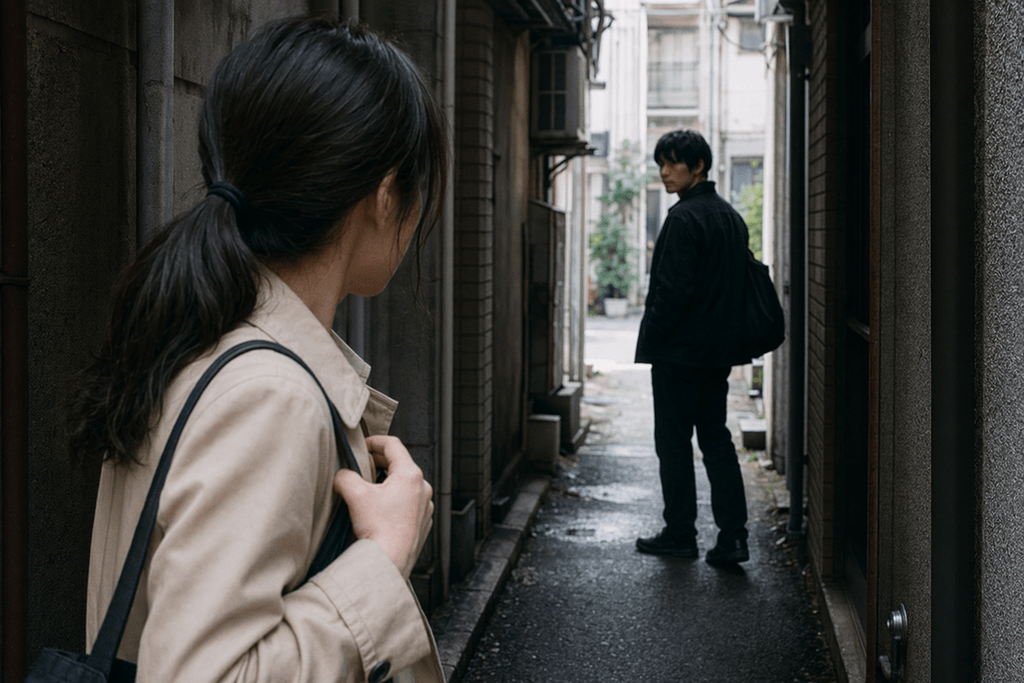
でくわす
අහම්බෙන් හමුවෙනවා
でくわす
අහම්බෙන් හමුවෙනවා
Explanation
අහම්බෙන් හමුවෙනවා
でくわす
අහම්බෙන් මුහුණපානවා / අහම්බෙන් හමුවෙනවා / මඟදී අහම්බෙන් ගැටෙනවා
Word Forms
The basic and commonly used forms of this verb.
Basic forms
| Form | Word form | Usage |
|---|---|---|
| Imperfective form (mizenkei) |
Alternative:
でくわそ
|
Connects to endings such as nai, reru, and seru. |
| Continuative form (renyokei) | Connects to endings such as masu, tai, and ta. | |
| Conclusive form (shushikei) | Ends a sentence and serves as the dictionary form. | |
| Attributive form (rentaikei) | Modifies a noun. | |
| Conditional form (kateikei) | Combines with ba to express a condition. | |
| Imperative form (meireikei) | Expresses a command or instruction. |
Common forms
| Form | Word form | Usage |
|---|---|---|
| Te-form | Connects clauses with te. | |
| Ta-form | Expresses the past with ta. | |
| Nai-form | Expresses negation with nai. | |
| Masu-form | Used for polite speech. | |
| Ba-form | Expresses a condition with ba. | |
| Volitional form | Expresses intention or invitation. |
Notes
くすぐったい
කිතිකැවෙන
くすぐったい
කිතිකැවෙන
Explanation
කිතිකැවෙන
くすぐったい
කිලිටි හැඟෙන (ඇලෙන/කුස්සන) / කිලිටිවන තරම් ගැහැණෙන; හිනා යන / ලජ්ජාවෙන්/අසහනයෙන් කම්පන යන

Word Forms
The basic and commonly used forms of this adjective.
Basic forms
| Form | Word form | Usage |
|---|---|---|
| Imperfective form (mizenkei) | Used in forms such as karou; mainly literary. | |
| Continuative form (renyokei) |
Alternative:
くすぐったかっ
|
Used in forms such as kute and kunai. |
| Conclusive form (shushikei) | Ends a sentence. | |
| Attributive form (rentaikei) | Modifies a noun. | |
| Conditional form (kateikei) | Expresses a condition with kereba. | |
| Imperative form (meireikei) | Rarely used in modern Japanese. |
Common forms
司る
පාලනය කරනවා
司る
පාලනය කරනවා
Explanation
司る
පාලනය කරනවා
司る
පාලනය කිරීම / පරිපාලනය කිරීම / භාරවීම / පාලනය කර පාලකත්වය දැරීම

Word Forms
The basic and commonly used forms of this verb.
Basic forms
| Form | Word form | Usage |
|---|---|---|
| Imperfective form (mizenkei) | Connects to endings such as nai, reru, and seru. | |
| Continuative form (renyokei) |
Alternative:
司っ
|
Connects to endings such as masu, tai, and ta. |
| Conclusive form (shushikei) | Ends a sentence and serves as the dictionary form. | |
| Attributive form (rentaikei) | Modifies a noun. | |
| Conditional form (kateikei) | Combines with ba to express a condition. | |
| Imperative form (meireikei) | Expresses a command or instruction. |
Common forms
苗
පැළය
苗
පැළය
Explanation
苗
පැළය
苗
බීජ පැළය / පැළ / තරුණ/කෙටි වයසැති ශාකය
නියඟයට ඔරොත්තු දිය හැකි ප් රභේද තෝරා ගැනීම සඳහා, පර්යේෂකයන් විවිධ ප් රදේශවලින් එකතු කරන ලද බීජ පැළ එකම තත්වයන් යටතේ වගා කළ අතර ඒවායේ වර්ධනයේ වෙනස්කම් සූක්ෂම ලෙස සංසන්දනය කළහ.

染まる
සායම් වැටෙනවා
染まる
සායම් වැටෙනවා
Explanation
染まる
සායම් වැටෙනවා
染まる
වර්ණ ගැන්වෙයි (දැමීමෙන්) / පැල්ලම් වීම / බලපෑමට ලක්වීම / ආසාරයට හසු වීම

Word Forms
The basic and commonly used forms of this verb.
Basic forms
| Form | Word form | Usage |
|---|---|---|
| Imperfective form (mizenkei) |
Alternative:
染まろ
|
Connects to endings such as nai, reru, and seru. |
| Continuative form (renyokei) | Connects to endings such as masu, tai, and ta. | |
| Conclusive form (shushikei) | Ends a sentence and serves as the dictionary form. | |
| Attributive form (rentaikei) | Modifies a noun. | |
| Conditional form (kateikei) | Combines with ba to express a condition. | |
| Imperative form (meireikei) | Expresses a command or instruction. |
Common forms
首脳
ඉහළම නායකයා
首脳
ඉහළම නායකයා
Explanation
首脳
ඉහළම නායකයා
首脳
නායකයා / ප්රධානියා / උපරිම මණ්ඩල නායකයා

( Base form )
( romanization )
( kyūjitai )
( hiragana )
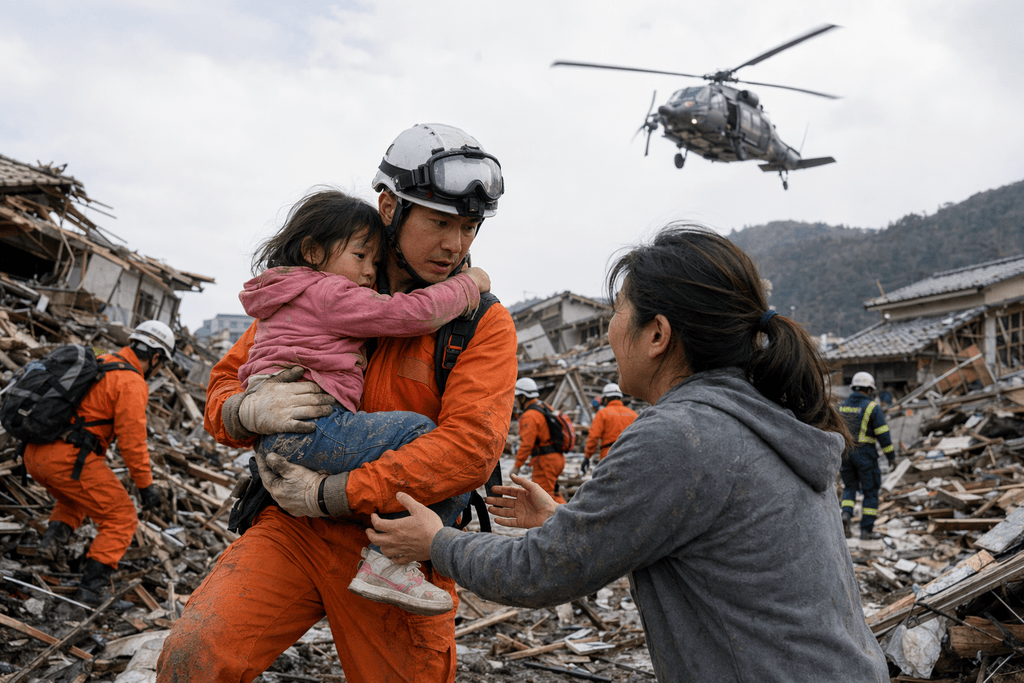
救援
ගලවා ගැනීමේ ආධාරය
救援
ගලවා ගැනීමේ ආධාරය
Explanation
救援
ගලවා ගැනීමේ ආධාරය
救援
ගලවා ගැනීම / හදිසි සහනය / උදව්-උපකාර
( Base form )
( romanization )
( romanization )
( hiragana historical )
( hiragana )
Loading...

JLPT N1 多言語単語帳・3032語 / JLPT N1 Multilingual Vocabulary: 3032 Words

Jonathan Waller 氏の JLPT Resources の語彙リスト・レベル分類を出典とし、CC BY の条件に従って DiQt が学習者向けに意味を作り直した3032語の単語帳です。JLPT公式の語彙リストではありません。
This collection of 3032 words is based on the vocabulary list and level classifications in Jonathan Waller’s JLPT Resources under CC BY, with meanings rewritten by DiQt for learners. It is not an official JLPT vocabulary list.
Key Operations
Select the first quiz:
Ctrl + Enter
View Explanation:Ctrl + G
Close a feedback:Esc
When selecting a quiz
Answer:Enter
Select a choice:↓ or ↑
Reading out the question:Ctrl + K
View Hint: Ctrl + M
I don't know: Ctrl + Y



