
JLPT N1 වචන අර්ථ පුහුණුව - Unsolved

පිළිතුරු විකල්ප හතරක් ඇති ප්රශ්න මඟින් JLPT N1 වචන 3032ක අර්ථ සිංහලෙන් ඉගෙන ගන්න.
-
සියල්ල / කිසිසේත්
-
විලාසවත්
-
ප්රභේදය
-
කුළුබඩු
-
බුද්ධිමතා
-
දුෂ්ටයා
-
මිටිය
-
ඡන්දය
-
පතල් කර්මාන්තය
-
ධීවර ගම්මානය
-
වාසිය
-
කෙළවර / අංශය
-
පාසල් විෂයය
-
ත්රෛමාසික ප්රකාශනය
-
කෙටි කිරීම
-
වාස්තවිකත්වය
-
අනෙක් දිශාව
-
ජාතික ආරක්ෂාව
-
ලජ්ජා වෙනවා
-
හානි කරනවා / කරන්න බැරි වෙනවා
-
කැපවෙනවා
- 「〜に準じる」の形で用いることが多い。
- 関連形に「準ずる」がある。
-
ගැටලුවකට මුහුණදීම
-
ටෙලෙක්ස්
-
ටයරය
-
ඉවසිලිවන්ත
-
නිරවද්ය
-
අසාධාරණ / නොසැලකිලිමත්
-
පහර දෙනවා
-
උර මත බර උසුලනවා
-
අහම්බෙන් දකිනවා
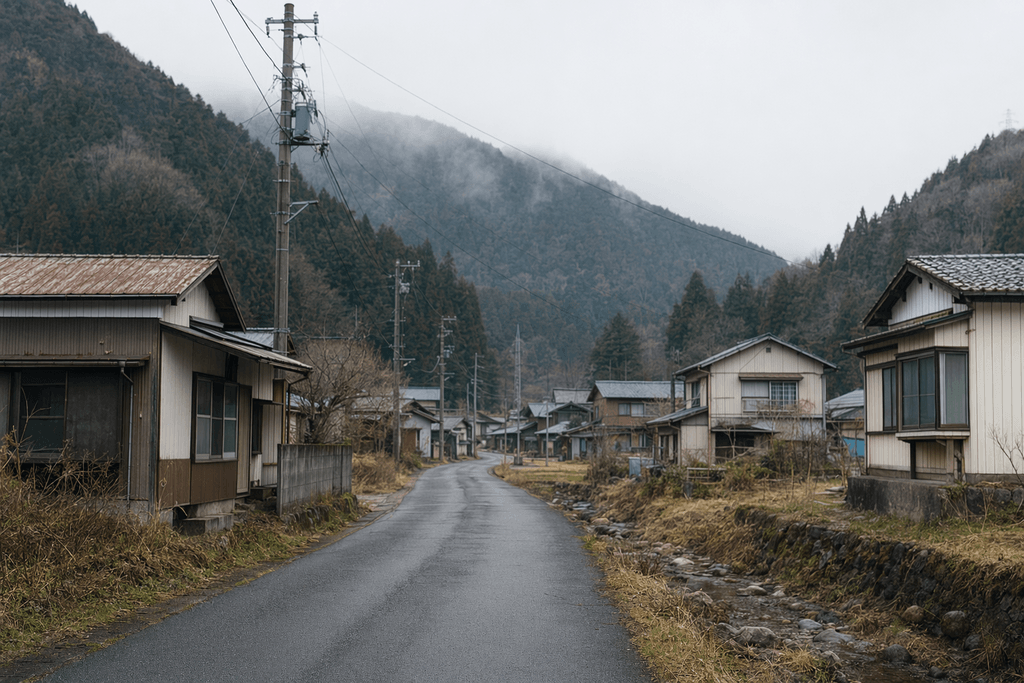
過疎
ජනගහනය අඩුවීම
過疎
ජනගහනය අඩුවීම
Explanation
過疎
ජනගහනය අඩුවීම
過疎
(ග්රාමීය ප්රදේශවල) ජන සංඛ්යාව අඩුවීම / ජන හිඟය / අඩු ජනගහනය
ජන සංඛ්යාව අඩුවීම දිගුකාලීනව ඉදිරියට යන කඳුකර ප්රදේශවල, පරිපාලන සේවාවන් පවත්වාගෙන යාමත් දුෂ්කර වී ඇති අතර, ප්රදේශයේ පවතින්න හැකියාව පිළිබඳ ප්රශ්නය මතු වී ඇත.
( Base form )
( romanization )
( hiragana )
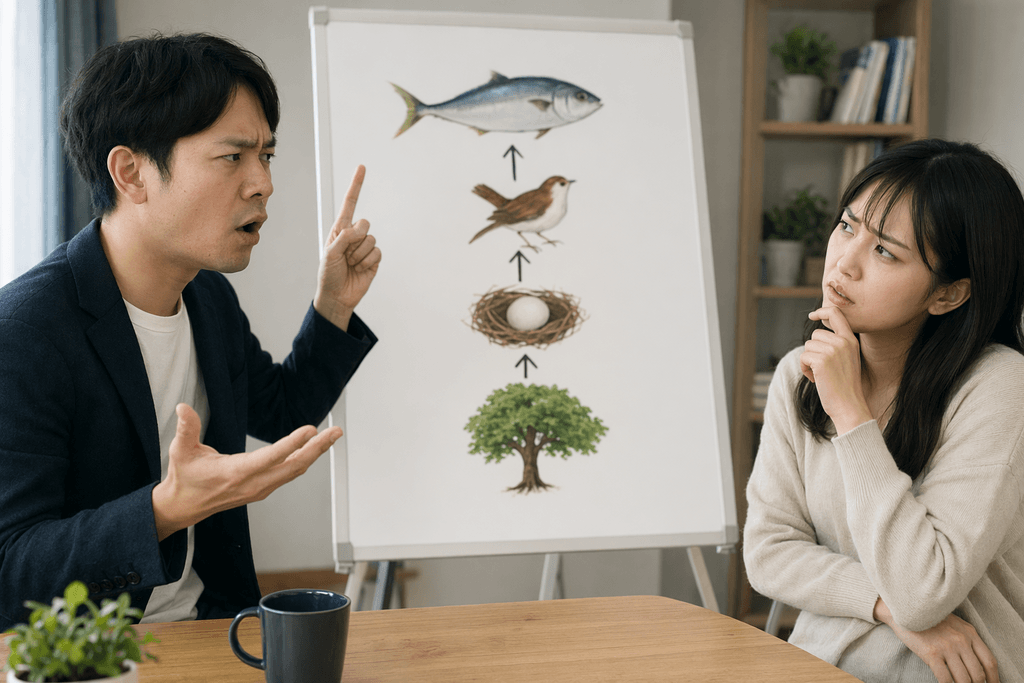
あべこべ
ප්රතිවිරුද්ධය
あべこべ
ප්රතිවිරුද්ධය
Explanation
ප්රතිවිරුද්ධය
あべこべ
විරුද්ධ බව / ප්රතිවිරුද්ධ/අනෙක් පැත්ත / උල්ටා-පැලට්ටා (අනුක්රමය එලෙස නොව)
( romanization )
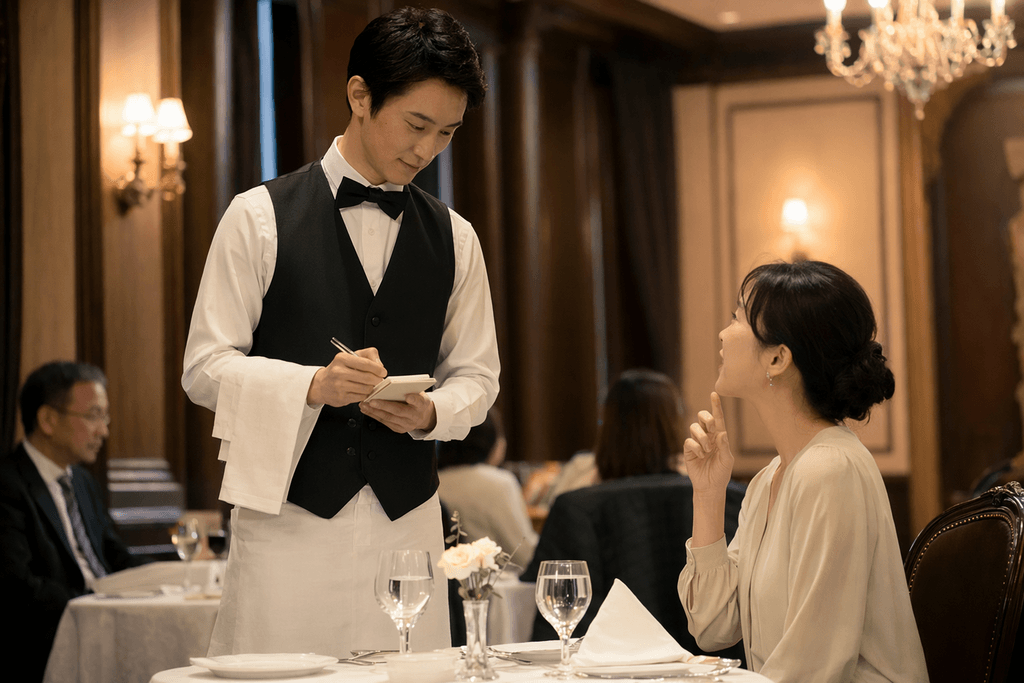
給仕
වේටර්වරයා / ආහාර පිළිගැන්වීම
給仕
වේටර්වරයා / ආහාර පිළිගැන්වීම
Explanation
給仕
වේටර්වරයා / ආහාර පිළිගැන්වීම
給仕
වේටර්/වේට්රස් / මේස සේවකයා / (පැරණි) කාර්යාලයේ දෛනික වැඩ කරන සේවකයා
( Base form )
( romanization )
( romanization )
( hiragana historical )
( hiragana )
独創
මුල් නිර්මාණශීලීත්වය
独創
මුල් නිර්මාණශීලීත්වය
Explanation
独創
මුල් නිර්මාණශීලීත්වය
独創
මූලිකත්වය / ස්වයං නිර්මාණශීලීභාවය / අලුත් අදහස් නිපදවීම

( Base form )
( romanization )
( romanization )
( kyūjitai )
( hiragana historical )
( hiragana )
香辛料
කුළුබඩු
香辛料
කුළුබඩු
Explanation
香辛料
කුළුබඩු
香辛料
කුළුබඩු / ගන්ධ/රස වැඩිකරන කුළුබඩු ද්රව්ය
ඔහු මසාලා මිශ්රණ සකස් කිරීමේදීම තදින් ඇලුම්ව සිටිමින්, සුළු උෂ්ණත්ව වෙනස්කම් හෝ ආර්ද්රතාවයේ උඩුපහළ වීම රසයට ඇති කරන බලපෑම දක්වාත් ඉතා සූක්ෂ්ම ලෙස පරීක්ෂා කරමින් සිටී.

( Base form )
( romanization )
( hiragana )
雄
පිරිමි සතා
雄
පිරිමි සතා
Explanation
雄
පිරිමි සතා
雄
පිරිමි (සතා/ශාකයේ) / පුරුෂ සතා / පිරිමි ලිංගිකය

( romanization )
( romanization )
( hiragana historical )
( hiragana )
準じる
අනුකූල වෙනවා
準じる
අනුකූල වෙනවා
Explanation
準じる
අනුකූල වෙනවා
準じる
අනුකූල වීම / අනුගමනය කිරීම / අනුපාතිකව යෙදීම

Word Forms
The basic and commonly used forms of this verb.
Basic forms
| Form | Word form | Usage |
|---|---|---|
| Imperfective form (mizenkei) | Connects to endings such as nai, reru, and seru. | |
| Continuative form (renyokei) | Connects to endings such as masu, tai, and ta. | |
| Conclusive form (shushikei) | Ends a sentence and serves as the dictionary form. | |
| Attributive form (rentaikei) | Modifies a noun. | |
| Conditional form (kateikei) | Combines with ba to express a condition. | |
| Imperative form (meireikei) |
Alternative:
準じよ
|
Expresses a command or instruction. |
Common forms
| Form | Word form | Usage |
|---|---|---|
| Te-form | Connects clauses with te. | |
| Ta-form | Expresses the past with ta. | |
| Nai-form | Expresses negation with nai. | |
| Masu-form | Used for polite speech. | |
| Ba-form | Expresses a condition with ba. | |
| Volitional form | Expresses intention or invitation. |
Notes
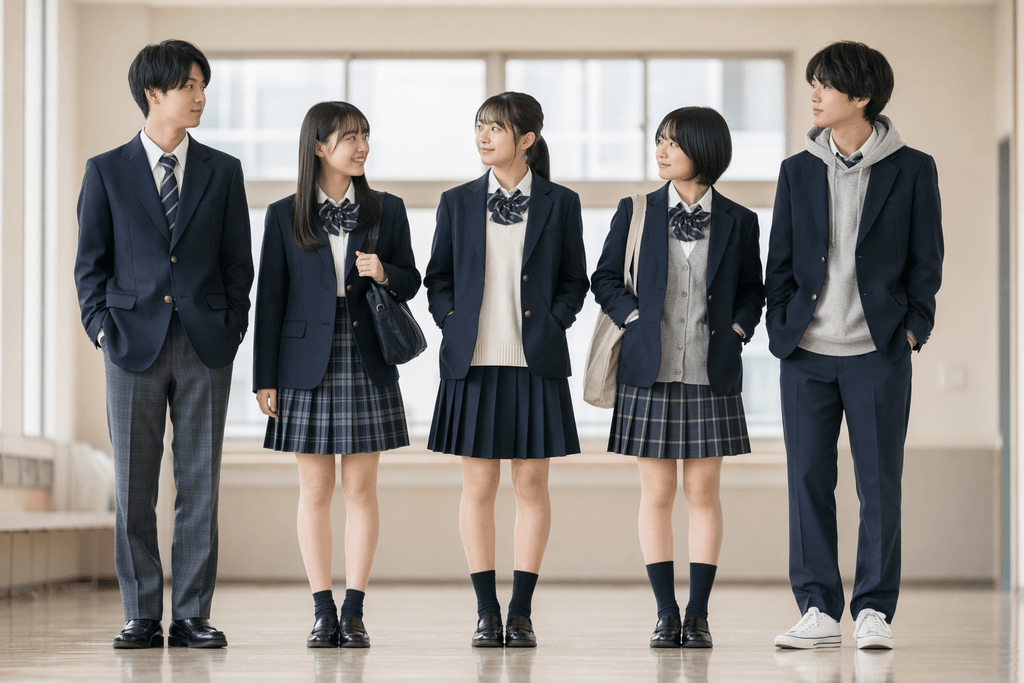
制服
නිල ඇඳුම
制服
නිල ඇඳුම
Explanation
制服
නිල ඇඳුම
制服
නිල ඇඳුම / එකම හැඩයේ ඇඳුම (පාසල්/සේවා)
නිල ඇඳුම් යන වටයේ සීමාවට පූර්ණයෙන්ම ගැළපෙන්නේ නැති පුද්ගලිකත්වයට ගෞරව දක්වමින්, සංවිධානයක් ලෙස ඇති ඒකාබද්ධ හැඟීමද අහිමි නොවන පරිදි ක්රියාත්මක කිරීම අවශ්ය වේ.
( Base form )
( romanization )
( hiragana )
達者
දක්ෂ / නිරෝගී
達者
දක්ෂ / නිරෝගී
Explanation
達者
දක්ෂ / නිරෝගී
達者
දක්ෂ; කුසල / ප්රවීණ; නුපුන් / සෞඛ්යවත්; සුවවත්ව
හැත්තෑ හැවිරිදි පසු වුවද, ඔහු තවමත් ඉංග් රීසි, ප් රංශ සහ ජර්මානු භාෂාවන් චතුර ලෙස කතා කළ අතර ජාත් යන්තර සම්මන්ත් රණවලදී උපක් රමශීලී උපාමාරු පවා ක්ෂණිකව අර්ථ නිරූපණය කළ හැකි විය.

Word Forms
The basic and commonly used forms of this adjectival noun.
Basic forms
| Form | Word form | Usage |
|---|---|---|
| Imperfective form (mizenkei) | Used in forms such as darou. | |
| Continuative form (renyokei) |
Alternative:
達者に
達者だっ
|
Used with de or ni. |
| Conclusive form (shushikei) | Ends a sentence with da. | |
| Attributive form (rentaikei) | Modifies a noun with na. | |
| Conditional form (kateikei) |
Alternative:
達者であれば
|
Expresses a condition with nara. |
| Imperative form (meireikei) | Used in formal expressions such as de are. |
Common forms
叶える
පැතුම ඉටු කරනවා
叶える
පැතුම ඉටු කරනවා
Explanation
叶える
පැතුම ඉටු කරනවා
叶える
(ආශාව/සිහිනය/ඉල්ලීමක්) ඉටු කිරීම / (ඉල්ලීමක්) අනුමත කර ලබාදීම / යථාර්ථ කරවීම / සැබෑ කරවීම

Word Forms
The basic and commonly used forms of this verb.
Basic forms
| Form | Word form | Usage |
|---|---|---|
| Imperfective form (mizenkei) | Connects to endings such as nai, reru, and seru. | |
| Continuative form (renyokei) | Connects to endings such as masu, tai, and ta. | |
| Conclusive form (shushikei) | Ends a sentence and serves as the dictionary form. | |
| Attributive form (rentaikei) | Modifies a noun. | |
| Conditional form (kateikei) | Combines with ba to express a condition. | |
| Imperative form (meireikei) |
Alternative:
叶えよ
|
Expresses a command or instruction. |
Common forms
Loading...

JLPT N1 多言語単語帳・3032語 / JLPT N1 Multilingual Vocabulary: 3032 Words

Jonathan Waller 氏の JLPT Resources の語彙リスト・レベル分類を出典とし、CC BY の条件に従って DiQt が学習者向けに意味を作り直した3032語の単語帳です。JLPT公式の語彙リストではありません。
This collection of 3032 words is based on the vocabulary list and level classifications in Jonathan Waller’s JLPT Resources under CC BY, with meanings rewritten by DiQt for learners. It is not an official JLPT vocabulary list.
Key Operations
Select the first quiz:
Ctrl + Enter
View Explanation:Ctrl + G
Close a feedback:Esc
When selecting a quiz
Answer:Enter
Select a choice:↓ or ↑
Reading out the question:Ctrl + K
View Hint: Ctrl + M
I don't know: Ctrl + Y



