
JLPT N2 शब्दार्थ अभ्यास - Unsolved

चार विकल्प भएका प्रश्नबाट JLPT N2 का 1790 शब्दका अर्थ नेपालीमा सिक्नुहोस्।
-
पुस्तक पसल
-
समुराई योद्धा
-
बगैँचाको रूख / गमलाको बिरुवा
-
बिर्को / भल्भ
-
नमुना
-
तामा
-
भेडाको ऊन
-
आदरार्थी भाषा
-
पुनःनिर्माण
-
शुभ प्रभात
-
जय हो
-
पर्खनुभएकोमा धन्यवाद
-
फराकिलो
-
अहिलेलाई
-
झनै
-
प्रक्रिया
-
हरेक व्यक्ति
-
सार्वजनिक घोषणा
-
अधेँड उमेर
-
विस्तार र सुदृढीकरण
-
सफाइको कपडा
-
गुडाउनु
-
छुट्टिनु / शाखा छुट्टिनु
-
थुप्रिनु
-
दाना
-
सिरका
-
सामाजिक हैसियत
-
बढाउनु / सुधार्नु
-
शान्त हुनु / स्थिर हुनु
-
हम्कनु
- 五段活用(ラ行)。「句切る」は主に文章・発話を句や切れ目で区切る場合に用いられる表記。
四捨五入
निकटतम अङ्कमा गोलाइ
四捨五入
निकटतम अङ्कमा गोलाइ
Explanation
四捨五入
निकटतम अङ्कमा गोलाइ
四捨五入
नजिकको संख्या तर्फ गोलाइ / चार छोड पाँच लिने नियम / दशमलवमा .5 माथि, .4 तल गोलाइ गर्ने प्रचलन

( Base form )
( romanization )
( hiragana )
税関
भन्सार कार्यालय
税関
भन्सार कार्यालय
Explanation
税関
भन्सार कार्यालय
税関
आयात–निर्यातमा कर उठाउने सरकारी निकाय / भन्सार कार्यालय

( Base form )
( romanization )
( romanization )
( hiragana historical )
( hiragana )
香水
अत्तर
香水
अत्तर
Explanation
香水
अत्तर
香水
इत्र / सुगन्धित तेल / कोलोन

( Base form )
( romanization )
( romanization )
( hiragana historical )
( hiragana )
お大事に
चाँडै निको हुनुहोस्
お大事に
चाँडै निको हुनुहोस्
Explanation
お大事に
चाँडै निको हुनुहोस्
お大事に
छिट्टै निको हुनुहोस् / तपाईंको चाँडै स्वास्थ्य लाभ होस् / आफ्नो ख्याल राख्नुहोस्

( Base form )
( romanization )
のろのろ
सुस्तरी
のろのろ
सुस्तरी
Explanation
सुस्तरी
のろのろ
बिस्तारै / सुस्त रूपमा / ढिलो ढिलो

( Base form )
( Base form )
( romanization )
( stem )
( Past )
( table-tags )
( inflection-template )
( imperfective stem )
( imperfective stem )
( imperfective )
( continuative stem )
( continuative stem )
( continuative )
( stem terminative )
( stem terminative )
( terminative )
( attributive stem )
( attributive stem )
( attributive )
( hypothetical stem )
( hypothetical stem )
( hypothetical )
( Imperative literary stem )
( colloquial Imperative stem )
( Imperative literary stem )
( colloquial Imperative stem )
( Imperative literary )
( colloquial Imperative )
( Passive voice )
( Passive voice )
( Passive voice )
( causative )
( causative )
( causative )
( causative )
( causative )
( causative )
( potential )
( potential )
( potential )
( volitional )
( volitional )
( volitional )
( negative )
( negative )
( negative )
( continuative negative )
( continuative negative )
( continuative negative )
( formal )
( formal )
( formal )
( perfective )
( perfective )
( perfective )
( conjunctive )
( conjunctive )
( conjunctive )
( Conditional hypothetical )
( Conditional hypothetical )
( Conditional hypothetical )
線路
रेलको लिक
線路
रेलको लिक
Explanation
線路
रेलको लिक
線路
रेल चल्ने मार्ग / रेलको पटरी / रेलपथ

( Base form )
( romanization )
( hiragana )
長短
लम्बाइ / गुण र दोष
長短
लम्बाइ / गुण र दोष
Explanation
長短
लम्बाइ / गुण र दोष
長短
लामो र छोटो / लम्बाइ / गुण-दोष

( Base form )
( romanization )
( hiragana )
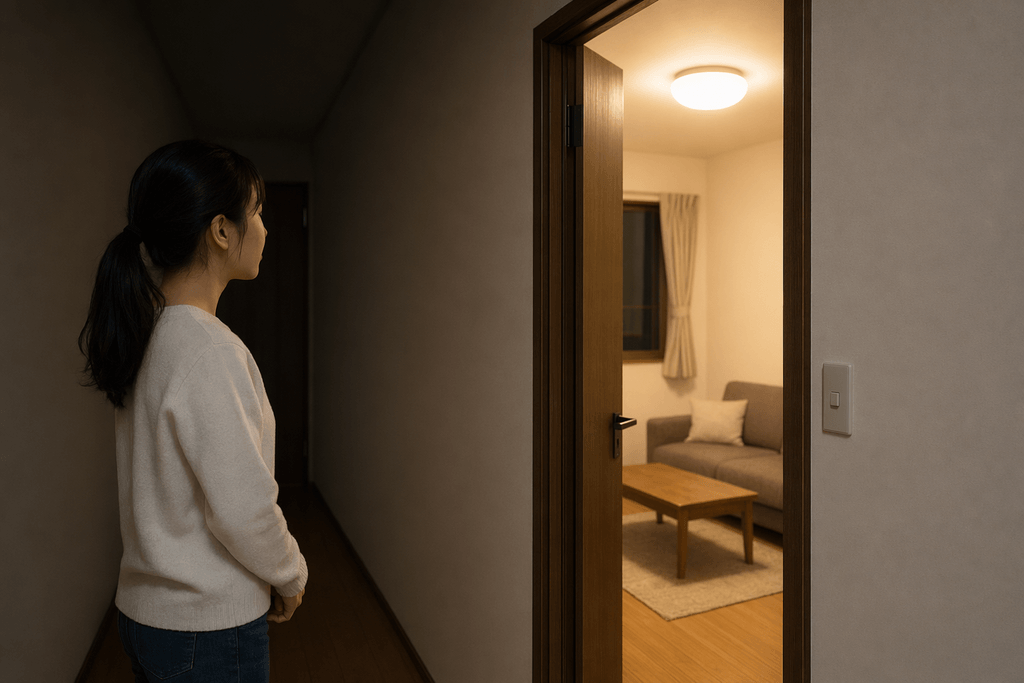
点く
आगो सल्किनु / बत्ती बल्नु
点く
आगो सल्किनु / बत्ती बल्नु
Explanation
点く
आगो सल्किनु / बत्ती बल्नु
点く
बल्नु / उज्यालो हुनु / आगो लाग्नु
Word Forms
The basic and commonly used forms of this verb.
Basic forms
| Form | Word form | Usage |
|---|---|---|
| Imperfective form (mizenkei) |
Alternative:
点こ
|
Connects to endings such as nai, reru, and seru. |
| Continuative form (renyokei) | Connects to endings such as masu, tai, and ta. | |
| Conclusive form (shushikei) | Ends a sentence and serves as the dictionary form. | |
| Attributive form (rentaikei) | Modifies a noun. | |
| Conditional form (kateikei) | Combines with ba to express a condition. | |
| Imperative form (meireikei) | Expresses a command or instruction. |
Common forms
部品
पुर्जाहरू
部品
पुर्जाहरू
Explanation
部品
पुर्जाहरू
部品
पुर्जा / घटक / अंश

( Base form )
( romanization )
( hiragana )
区切る
खण्डमा छुट्याउनु
区切る
खण्डमा छुट्याउनु
Explanation
区切る
खण्डमा छुट्याउनु
区切る
छुट्याउनु; विभाजन गर्नु / सीमा तोक्नु/सीमारेखा कोर्नु / (वाक्य/पठनमा) विरामचिन्ह लगाउनु वा विराम दिनु

Word Forms
The basic and commonly used forms of this verb.
Basic forms
| Form | Word form | Usage |
|---|---|---|
| Imperfective form (mizenkei) |
Alternative:
区切ろ
句切ら
句切ろ
|
Connects to endings such as nai, reru, and seru. |
| Continuative form (renyokei) |
Alternative:
句切り
|
Connects to endings such as masu, tai, and ta. |
| Conclusive form (shushikei) |
Alternative:
句切る
|
Ends a sentence and serves as the dictionary form. |
| Attributive form (rentaikei) |
Alternative:
句切る
|
Modifies a noun. |
| Conditional form (kateikei) |
Alternative:
句切れ
|
Combines with ba to express a condition. |
| Imperative form (meireikei) |
Alternative:
句切れ
|
Expresses a command or instruction. |
Common forms
| Form | Word form | Usage |
|---|---|---|
| Te-form |
Alternative:
句切って
|
Connects clauses with te. |
| Ta-form |
Alternative:
句切った
|
Expresses the past with ta. |
| Nai-form |
Alternative:
句切らない
|
Expresses negation with nai. |
| Masu-form |
Alternative:
句切ります
|
Used for polite speech. |
| Ba-form |
Alternative:
句切れば
|
Expresses a condition with ba. |
| Volitional form |
Alternative:
句切ろう
|
Expresses intention or invitation. |
Notes
Loading...

JLPT N2 多言語単語帳・1790語 / JLPT N2 Multilingual Vocabulary: 1790 Words

Jonathan Waller 氏の JLPT Resources の語彙リスト・レベル分類を出典とし、CC BY の条件に従って DiQt が学習者向けに意味を作り直した1790語の単語帳です。JLPT公式の語彙リストではありません。
This collection of 1790 words is based on the vocabulary list and level classifications in Jonathan Waller’s JLPT Resources under CC BY, with meanings rewritten by DiQt for learners. It is not an official JLPT vocabulary list.
Key Operations
Select the first quiz:
Ctrl + Enter
View Explanation:Ctrl + G
Close a feedback:Esc
When selecting a quiz
Answer:Enter
Select a choice:↓ or ↑
Reading out the question:Ctrl + K
View Hint: Ctrl + M
I don't know: Ctrl + Y



