
JLPT N2 शब्दार्थ अभ्यास - Unsolved

चार विकल्प भएका प्रश्नबाट JLPT N2 का 1790 शब्दका अर्थ नेपालीमा सिक्नुहोस्।
-
विकास / फैलावट
-
भण्डारण
-
रङ / कमिजको कलर
-
क्षमा / अस्वीकार
-
अङ्क दिने काम
-
शासन व्यवस्था / संरचना
-
कार्यविधि
-
प्रधानमन्त्री
-
प्राथमिक विद्यालयको विद्यार्थी
-
अप्रत्यक्षता
-
सामान्य परिचय
-
काइँयो
-
तताउनु
-
फुत्किनु / निसाना चुक्नु
-
सर्नु / नमिल्नु
- 「関わる」が一般的な表記。「係わる」「拘わる」「拘る」は表記差・異表記。
- 「拘る」は「こだわる」と読まれることも多い。
-
पशुपालन
-
मञ्जन / दाँत माझ्ने काम
-
नाप
-
ट्रे / ओबोन पर्व
-
चियाको कप
-
सानो बालक
-
माफ गर्नुहोस्
-
वर्गाकार
-
उग्र / रूखो
-
खै किन
-
चाँडै
-
यत्रतत्र / थोप्लाको रूपमा
-
काताकाना
-
रेलको लिक
-
विद्यालयमा अध्ययनरत अवस्था
催促
ताकेता / भुक्तानी माग
催促
ताकेता / भुक्तानी माग
Explanation
催促
ताकेता / भुक्तानी माग
催促
आग्रह / तागादा / सम्झाउनी

( Base form )
( romanization )
( stem )
( Past )
( table-tags )
( inflection-template )
( imperfective stem )
( imperfective stem )
( imperfective )
( continuative stem )
( continuative stem )
( continuative )
( stem terminative )
( stem terminative )
( terminative )
( attributive stem )
( attributive stem )
( attributive )
( hypothetical stem )
( hypothetical stem )
( hypothetical )
( Imperative literary stem )
( colloquial Imperative stem )
( Imperative literary stem )
( colloquial Imperative stem )
( Imperative literary )
( colloquial Imperative )
( Passive voice )
( Passive voice )
( Passive voice )
( causative )
( causative )
( causative )
( causative )
( causative )
( causative )
( potential )
( potential )
( potential )
( volitional )
( volitional )
( volitional )
( negative )
( negative )
( negative )
( continuative negative )
( continuative negative )
( continuative negative )
( formal )
( formal )
( formal )
( perfective )
( perfective )
( perfective )
( conjunctive )
( conjunctive )
( conjunctive )
( Conditional hypothetical )
( Conditional hypothetical )
( Conditional hypothetical )
図形
ज्यामितीय आकृति
図形
ज्यामितीय आकृति
Explanation
図形
ज्यामितीय आकृति
図形
आकृति / आरेख / ज्यामितीय आकृति

( Base form )
( romanization )
( kyūjitai )
( hiragana )
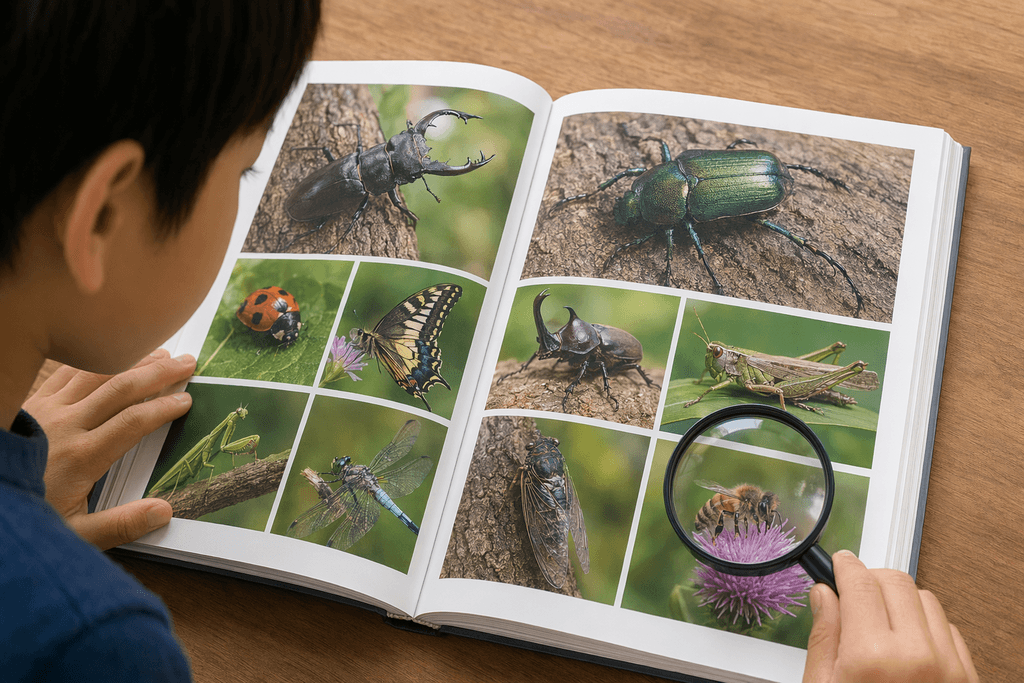
図鑑
सचित्र विश्वकोश
図鑑
सचित्र विश्वकोश
Explanation
図鑑
सचित्र विश्वकोश
図鑑
सचित्र सन्दर्भ पुस्तक / चित्रकोश / सचित्र मार्गदर्शिका
( Base form )
( romanization )
( romanization )
( kyūjitai )
( hiragana historical )
( hiragana )
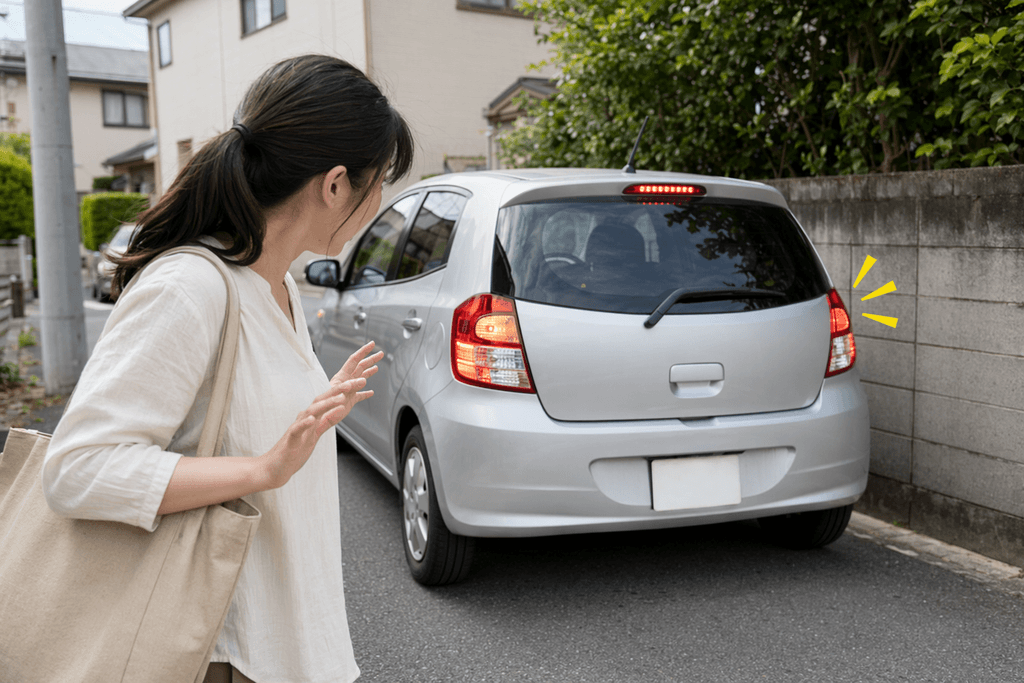
バック
पछाडि
バック
पछाडि
Explanation
पछाडि
バック
पछाडि/उल्टो भाग / समर्थन / पृष्ठभूमि
( romanization )
関わる
संलग्न हुनु / असर पार्नु
関わる
संलग्न हुनु / असर पार्नु
Explanation
関わる
संलग्न हुनु / असर पार्नु
関わる
सम्बन्धित हुनु; सरोकार राख्नु / असर पार्नु; प्रभाव पार्नु / ज्यानलाई खतरा पुर्याउनु

Word Forms
The basic and commonly used forms of this verb.
Basic forms
| Form | Word form | Usage |
|---|---|---|
| Imperfective form (mizenkei) |
Alternative:
係わら
拘わら
拘ら
|
Connects to endings such as nai, reru, and seru. |
| Continuative form (renyokei) |
Alternative:
係わり
拘わり
拘り
|
Connects to endings such as masu, tai, and ta. |
| Conclusive form (shushikei) |
Alternative:
係わる
拘わる
拘る
|
Ends a sentence and serves as the dictionary form. |
| Attributive form (rentaikei) |
Alternative:
係わる
拘わる
拘る
|
Modifies a noun. |
| Conditional form (kateikei) |
Alternative:
係われ
拘われ
拘れ
|
Combines with ba to express a condition. |
| Imperative form (meireikei) |
Alternative:
係われ
拘われ
拘れ
|
Expresses a command or instruction. |
Common forms
| Form | Word form | Usage |
|---|---|---|
| Te-form |
Alternative:
係わって
拘わって
拘って
|
Connects clauses with te. |
| Ta-form |
Alternative:
係わった
拘わった
拘った
|
Expresses the past with ta. |
| Nai-form |
Alternative:
係わらない
拘わらない
拘らない
|
Expresses negation with nai. |
| Masu-form |
Alternative:
係わります
拘わります
拘ります
|
Used for polite speech. |
| Ba-form |
Alternative:
係われば
拘われば
拘れば
|
Expresses a condition with ba. |
| Volitional form |
Alternative:
係わろう
拘わろう
拘ろう
|
Expresses intention or invitation. |
Notes
各々
प्रत्येक
各々
प्रत्येक
Explanation
各々
प्रत्येक
各々
प्रत्येक / हरेक / प्रत्येक जना

( Base form )
( romanization )
( hiragana )
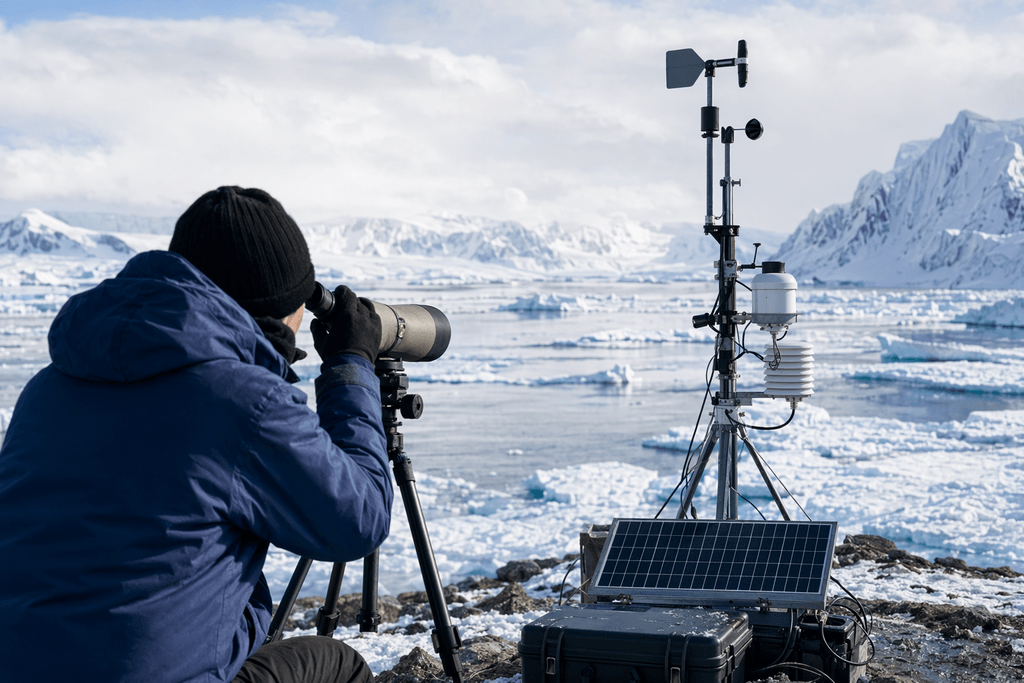
観測
अवलोकन
観測
अवलोकन
Explanation
観測
अवलोकन
観測
वैज्ञानिक अवलोकन / अवलोकनद्वारा मापन / निगरानी
( Base form )
( romanization )
( kyūjitai )
( hiragana )
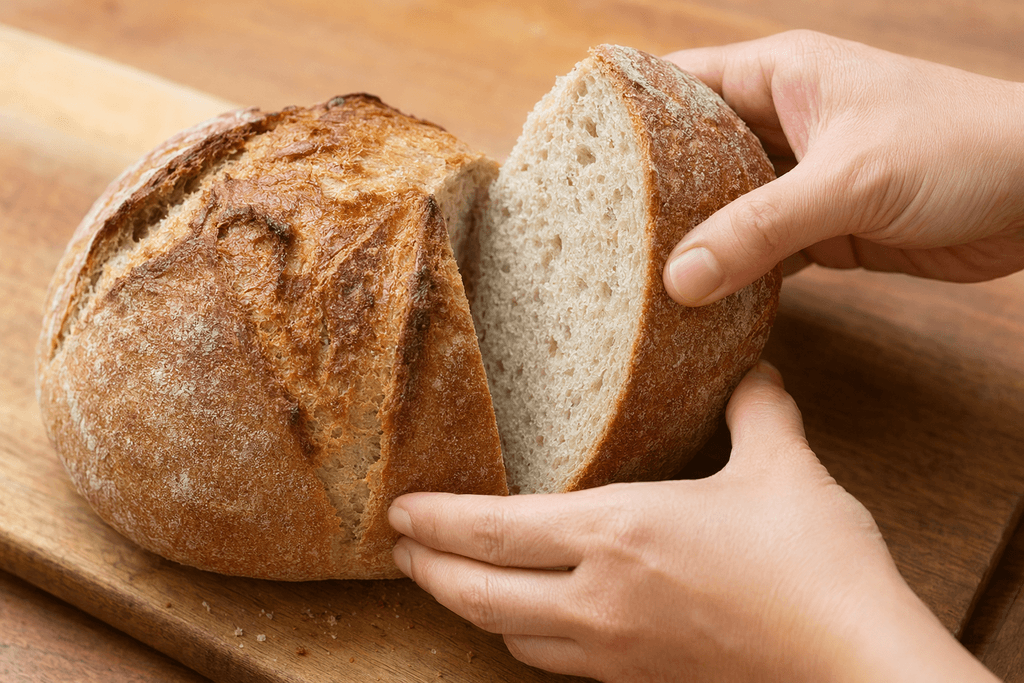
堅い
कडा / दृढ
堅い
कडा / दृढ
Explanation
堅い
कडा / दृढ
堅い
कडा/मजबुत / भरपर्दो/ईमानदार / कठोर/औपचारिक
Word Forms
The basic and commonly used forms of this adjective.
Basic forms
| Form | Word form | Usage |
|---|---|---|
| Imperfective form (mizenkei) | Used in forms such as karou; mainly literary. | |
| Continuative form (renyokei) |
Alternative:
堅かっ
|
Used in forms such as kute and kunai. |
| Conclusive form (shushikei) | Ends a sentence. | |
| Attributive form (rentaikei) | Modifies a noun. | |
| Conditional form (kateikei) | Expresses a condition with kereba. | |
| Imperative form (meireikei) | Rarely used in modern Japanese. |
Common forms
どっと
एकैचोटि
どっと
एकैचोटि
Explanation
एकैचोटि
どっと
एकाएक / एकैचोटि / अचानक

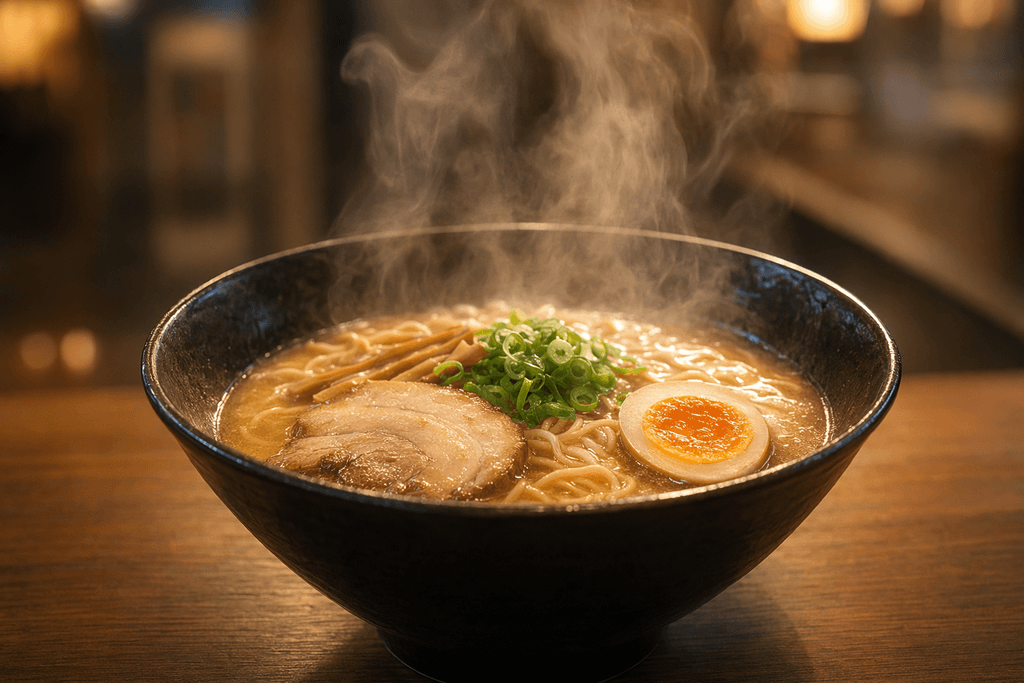
湯気
बाफ
湯気
बाफ
Explanation
湯気
बाफ
湯気
बाफ / वाष्प
( Base form )
( romanization )
( kyūjitai )
( hiragana )
Loading...

JLPT N2 多言語単語帳・1790語 / JLPT N2 Multilingual Vocabulary: 1790 Words

Jonathan Waller 氏の JLPT Resources の語彙リスト・レベル分類を出典とし、CC BY の条件に従って DiQt が学習者向けに意味を作り直した1790語の単語帳です。JLPT公式の語彙リストではありません。
This collection of 1790 words is based on the vocabulary list and level classifications in Jonathan Waller’s JLPT Resources under CC BY, with meanings rewritten by DiQt for learners. It is not an official JLPT vocabulary list.
Key Operations
Select the first quiz:
Ctrl + Enter
View Explanation:Ctrl + G
Close a feedback:Esc
When selecting a quiz
Answer:Enter
Select a choice:↓ or ↑
Reading out the question:Ctrl + K
View Hint: Ctrl + M
I don't know: Ctrl + Y



