
JLPT N2 शब्दार्थ अभ्यास - Unsolved

चार विकल्प भएका प्रश्नबाट JLPT N2 का 1790 शब्दका अर्थ नेपालीमा सिक्नुहोस्।
-
निवास
-
अरूको छोरा
-
रकम सङ्कलन
-
अत्यन्त ठूलो
-
अमिलो
-
खेदजनक / बहुमूल्य
-
सम्बद्धता / संलग्न वस्तु
-
सवारी परिवर्तन
-
भण्डारण
-
बाँड्नु
-
प्रकाशित हुनु
-
छलफल गर्नु / तर्क गर्नु
-
खेदजनक / बहुमूल्य
-
प्रशंसनीय / उच्च पदको
-
ईर्ष्यालु / लोभलाग्दो
-
थर
-
कान्साइ क्षेत्र
-
कान्तो क्षेत्र
-
मेहनतपूर्वक
-
अनजानमै
-
झनै
-
मिसिनु
-
तौलनु / आयतन नाप्नु
-
नियन्त्रण गर्नु / दमन गर्नु
-
लोकगीत
-
खाने चपस्टिक
-
चिह्न
-
बिक्री सुरुवात
-
मुख्य भूमिका / मुख्य कलाकार
-
साइरन
バケツ
बाल्टिन
バケツ
बाल्टिन
Explanation
बाल्टिन
バケツ
बाल्टिन / पानी वा अन्य तरल राख्ने भाँडो

( romanization )
思いがけない
अनपेक्षित
思いがけない
अनपेक्षित
Explanation
思いがけない
अनपेक्षित
思いがけない
अप्रत्याशित / अनपेक्षित / आकस्मिक

Word Forms
The basic and commonly used forms of this adjective.
Basic forms
| Form | Word form | Usage |
|---|---|---|
| Imperfective form (mizenkei) | Used in forms such as karou; mainly literary. | |
| Continuative form (renyokei) |
Alternative:
思いがけなかっ
|
Used in forms such as kute and kunai. |
| Conclusive form (shushikei) | Ends a sentence. | |
| Attributive form (rentaikei) | Modifies a noun. | |
| Conditional form (kateikei) | Expresses a condition with kereba. | |
| Imperative form (meireikei) | Rarely used in modern Japanese. |
Common forms
社会科学
सामाजिक विज्ञान
社会科学
सामाजिक विज्ञान
Explanation
社会科学
सामाजिक विज्ञान
社会科学
मानव समाज र सामाजिक सम्बन्धको वैज्ञानिक अध्ययन / राजनीति, अर्थतन्त्र, समाजशास्त्र आदि विधाहरू समेट्ने अध्ययनक्षेत्र

( Base form )
( romanization )
( romanization )
( hiragana historical )
( hiragana )
縛る
बाँध्नु / बन्धनमा पार्नु
縛る
बाँध्नु / बन्धनमा पार्नु
Explanation
縛る
बाँध्नु / बन्धनमा पार्नु
縛る
बाँध्नु / कस्नु / जकड्नु

Word Forms
The basic and commonly used forms of this verb.
Basic forms
| Form | Word form | Usage |
|---|---|---|
| Imperfective form (mizenkei) |
Alternative:
縛ろ
|
Connects to endings such as nai, reru, and seru. |
| Continuative form (renyokei) |
Alternative:
縛っ
|
Connects to endings such as masu, tai, and ta. |
| Conclusive form (shushikei) | Ends a sentence and serves as the dictionary form. | |
| Attributive form (rentaikei) | Modifies a noun. | |
| Conditional form (kateikei) | Combines with ba to express a condition. | |
| Imperative form (meireikei) | Expresses a command or instruction. |
Common forms
恋しい
याद आइरहने
恋しい
याद आइरहने
Explanation
恋しい
याद आइरहने
恋しい
अत्यन्त याद लाग्ने / तड्पिने गरी सम्झनामा पर्ने / घरको याद लाग्ने

Word Forms
The basic and commonly used forms of this adjective.
Basic forms
| Form | Word form | Usage |
|---|---|---|
| Imperfective form (mizenkei) | Used in forms such as karou; mainly literary. | |
| Continuative form (renyokei) |
Alternative:
恋しかっ
|
Used in forms such as kute and kunai. |
| Conclusive form (shushikei) | Ends a sentence. | |
| Attributive form (rentaikei) | Modifies a noun. | |
| Conditional form (kateikei) | Expresses a condition with kereba. | |
| Imperative form (meireikei) | Rarely used in modern Japanese. |
Common forms
南米
दक्षिण अमेरिका
南米
दक्षिण अमेरिका
Explanation
南米
दक्षिण अमेरिका
南米
दक्षिण अमेरिका / दक्षिण अमेरिकी महाद्वीप

( Base form )
( romanization )
( hiragana )
ともかく
जे भए पनि
ともかく
जे भए पनि
Explanation
जे भए पनि
ともかく
जे भए पनि / …लाई अलग राखेर

( Base form )
( romanization )
( hiragana )
剥がす
उप्काउनु
剥がす
उप्काउनु
Explanation
剥がす
उप्काउनु
剥がす
टाँसिएको कुरा उखेल्नु / छिलेर हटाउनु / च्यातेर निकाल्नु

Word Forms
The basic and commonly used forms of this verb.
Basic forms
| Form | Word form | Usage |
|---|---|---|
| Imperfective form (mizenkei) |
Alternative:
剥がそ
|
Connects to endings such as nai, reru, and seru. |
| Continuative form (renyokei) | Connects to endings such as masu, tai, and ta. | |
| Conclusive form (shushikei) | Ends a sentence and serves as the dictionary form. | |
| Attributive form (rentaikei) | Modifies a noun. | |
| Conditional form (kateikei) | Combines with ba to express a condition. | |
| Imperative form (meireikei) | Expresses a command or instruction. |
Common forms
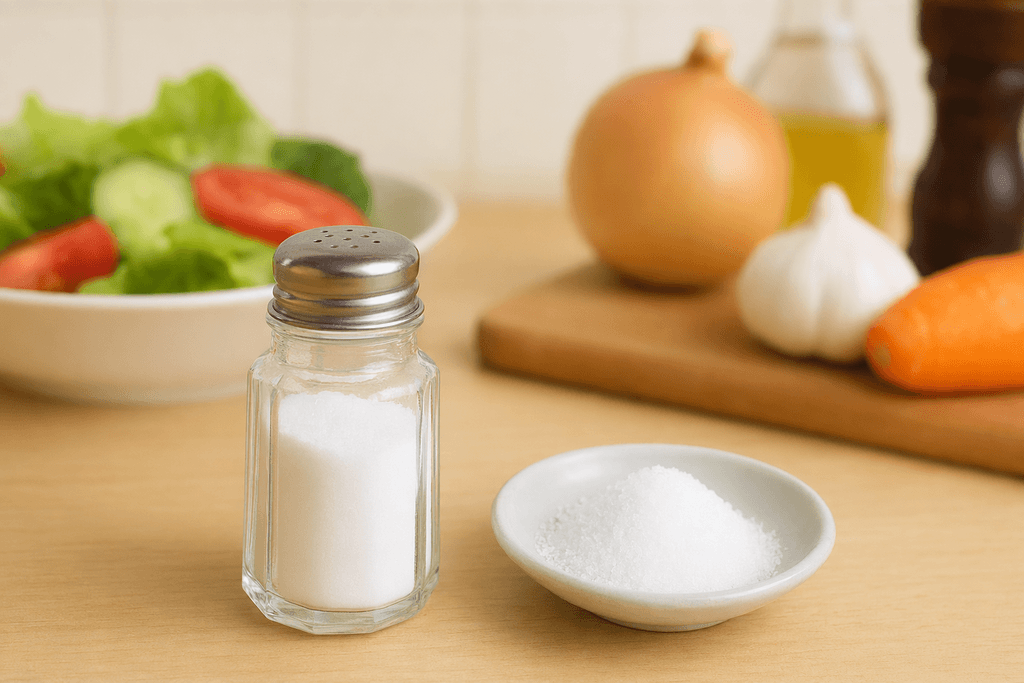
食塩
खाने नुन
食塩
खाने नुन
Explanation
食塩
खाने नुन
食塩
खाने नुन / भान्सामा स्वाद बढाउन प्रयोग हुने नुन / सोडियम क्लोराइड
( Base form )
( romanization )
( kyūjitai )
( hiragana )
応対
मानिससँग व्यवहार
応対
मानिससँग व्यवहार
Explanation
応対
मानिससँग व्यवहार
応対
प्रत्युत्तर / स्वागत–व्यवहार / व्यक्तिसँगको सम्हाल

( Base form )
( romanization )
( stem )
( Past )
( kyūjitai )
( table-tags )
( inflection-template )
( imperfective stem )
( imperfective stem )
( imperfective )
( continuative stem )
( continuative stem )
( continuative )
( stem terminative )
( stem terminative )
( terminative )
( attributive stem )
( attributive stem )
( attributive )
( hypothetical stem )
( hypothetical stem )
( hypothetical )
( Imperative literary stem )
( colloquial Imperative stem )
( Imperative literary stem )
( colloquial Imperative stem )
( Imperative literary )
( colloquial Imperative )
( Passive voice )
( Passive voice )
( Passive voice )
( causative )
( causative )
( causative )
( causative )
( causative )
( causative )
( potential )
( potential )
( potential )
( volitional )
( volitional )
( volitional )
( negative )
( negative )
( negative )
( continuative negative )
( continuative negative )
( continuative negative )
( formal )
( formal )
( formal )
( perfective )
( perfective )
( perfective )
( conjunctive )
( conjunctive )
( conjunctive )
( Conditional hypothetical )
( Conditional hypothetical )
( Conditional hypothetical )
Loading...

JLPT N2 多言語単語帳・1790語 / JLPT N2 Multilingual Vocabulary: 1790 Words

Jonathan Waller 氏の JLPT Resources の語彙リスト・レベル分類を出典とし、CC BY の条件に従って DiQt が学習者向けに意味を作り直した1790語の単語帳です。JLPT公式の語彙リストではありません。
This collection of 1790 words is based on the vocabulary list and level classifications in Jonathan Waller’s JLPT Resources under CC BY, with meanings rewritten by DiQt for learners. It is not an official JLPT vocabulary list.
Key Operations
Select the first quiz:
Ctrl + Enter
View Explanation:Ctrl + G
Close a feedback:Esc
When selecting a quiz
Answer:Enter
Select a choice:↓ or ↑
Reading out the question:Ctrl + K
View Hint: Ctrl + M
I don't know: Ctrl + Y



