
JLPT N1 詞義四選一 - Unsolved

透過四選一題目,用繁體中文學習JLPT N1的3032個單字詞義。
-
有用
-
填滿 / 滿足
-
建造 / 製造
-
主體 / 行為主體
-
乾卦
-
抱負
-
死亡
-
典禮會場
-
最佳
-
圍繞
-
受歡迎
-
染色
-
熟練 / 健康
-
浪漫的
-
大幅度的
-
模糊性
-
生意興隆
-
姿勢 / 暫停
-
區塊
-
出血
-
觀眾
-
吹奏
-
星座
-
共和政體
-
費用 / 原料
-
年級生
-
僅僅 / 自那以後
-
露水
-
過度密集
-
不祥之兆
罵る
辱罵
罵る
辱罵
Explanation
罵る
辱罵
罵る
辱罵 / 說壞話 / 侮辱(用言語)

Word Forms
The basic and commonly used forms of this verb.
Basic forms
| Form | Word form | Usage |
|---|---|---|
| Imperfective form (mizenkei) | Connects to endings such as nai, reru, and seru. | |
| Continuative form (renyokei) | Connects to endings such as masu, tai, and ta. | |
| Conclusive form (shushikei) | Ends a sentence and serves as the dictionary form. | |
| Attributive form (rentaikei) | Modifies a noun. | |
| Conditional form (kateikei) | Combines with ba to express a condition. | |
| Imperative form (meireikei) | Expresses a command or instruction. |
Common forms
佳句
佳句
佳句
佳句
Explanation
佳句
佳句
佳句
優美的句子 / 精彩的文句 / 精妙的語句

( Base form )
( romanization )
( hiragana )
逃走
逃跑
逃走
逃跑
Explanation
逃走
逃跑
逃走
逃亡 / 逃逸 / 逃脫

( Base form )
( romanization )
( hiragana )
飲み込む
吞下 / 領會
飲み込む
吞下 / 領會
Explanation
飲み込む
吞下 / 領會
飲み込む
吞下、吞嚥 / 大口吞下 / (比喻)理解、領會

Word Forms
The basic and commonly used forms of this verb.
Basic forms
| Form | Word form | Usage |
|---|---|---|
| Imperfective form (mizenkei) |
Alternative:
飲み込も
|
Connects to endings such as nai, reru, and seru. |
| Continuative form (renyokei) | Connects to endings such as masu, tai, and ta. | |
| Conclusive form (shushikei) | Ends a sentence and serves as the dictionary form. | |
| Attributive form (rentaikei) | Modifies a noun. | |
| Conditional form (kateikei) | Combines with ba to express a condition. | |
| Imperative form (meireikei) | Expresses a command or instruction. |
Common forms
有力
有影響力的 / 有可能的
有力
有影響力的 / 有可能的
Explanation
有力
有影響力的 / 有可能的
有力
強而有力的 / 有影響力的 / 有望的

Word Forms
The basic and commonly used forms of this adjectival noun.
Basic forms
| Form | Word form | Usage |
|---|---|---|
| Imperfective form (mizenkei) | Used in forms such as darou. | |
| Continuative form (renyokei) |
Alternative:
有力に
|
Used with de or ni. |
| Conclusive form (shushikei) | Ends a sentence with da. | |
| Attributive form (rentaikei) |
Alternative:
有力である
|
Modifies a noun with na. |
| Conditional form (kateikei) |
Alternative:
有力であれば
|
Expresses a condition with nara. |
| Imperative form (meireikei) | Used in formal expressions such as de are. |
Common forms
治安
治安
治安
治安
Explanation
治安
治安
治安
公共秩序 / 社會治安與安全

( Base form )
( romanization )
( hiragana )
不振
低迷
不振
低迷
Explanation
不振
低迷
不振
低迷狀態 / 停滯 / 蕭條期

( Base form )
( romanization )
( hiragana )
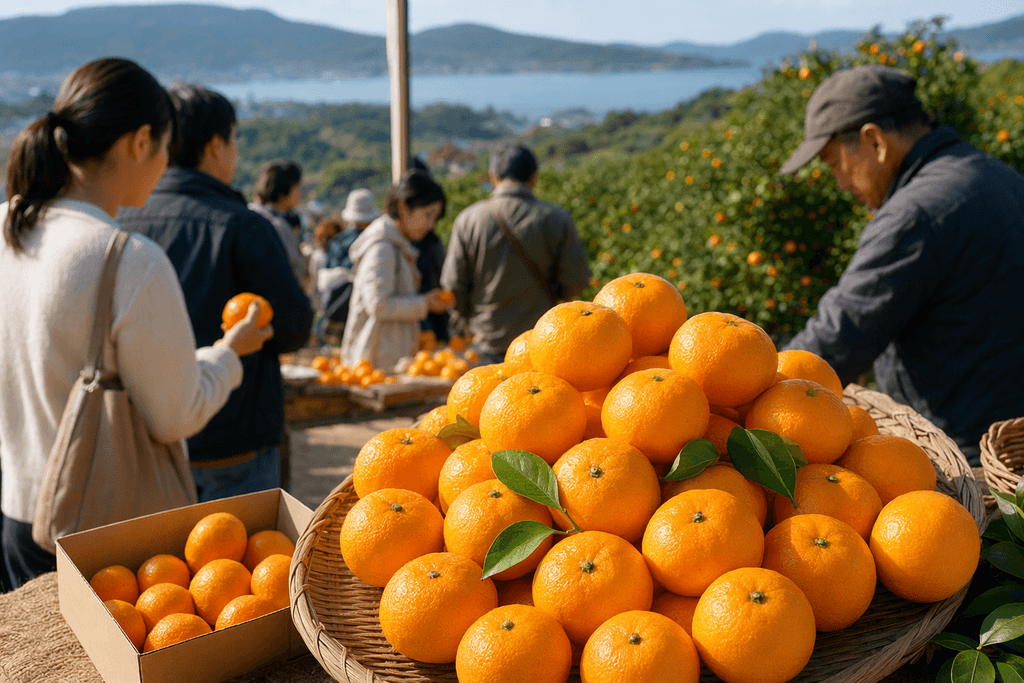
特産
特產
特産
特產
Explanation
特産
特產
特産
地方特產 / 名產 / 某地特有的產品
( Base form )
( romanization )
( hiragana )
〜過ぎ
過了 / 過度的
〜過ぎ
過了 / 過度的
Explanation
〜過ぎ
過了 / 過度的
〜過ぎ
過去;之後、超過(尤指時間) / 過度、太過 / 過頭、過分的行為

( Base form )
( romanization )
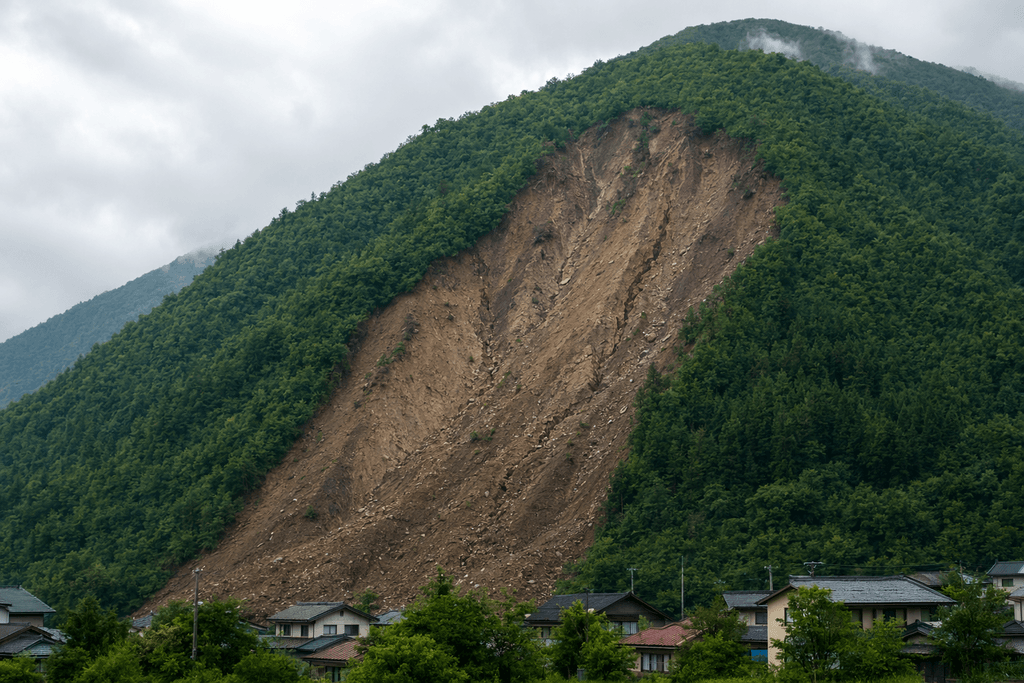
山腹
山腰
山腹
山腰
Explanation
山腹
山腰
山腹
山的中腹;山腰 / 山坡;山側
( Base form )
( romanization )
( hiragana )
Loading...

JLPT N1 多言語単語帳・3032語 / JLPT N1 Multilingual Vocabulary: 3032 Words

Jonathan Waller 氏の JLPT Resources の語彙リスト・レベル分類を出典とし、CC BY の条件に従って DiQt が学習者向けに意味を作り直した3032語の単語帳です。JLPT公式の語彙リストではありません。
This collection of 3032 words is based on the vocabulary list and level classifications in Jonathan Waller’s JLPT Resources under CC BY, with meanings rewritten by DiQt for learners. It is not an official JLPT vocabulary list.
Key Operations
Select the first quiz:
Ctrl + Enter
View Explanation:Ctrl + G
Close a feedback:Esc
When selecting a quiz
Answer:Enter
Select a choice:↓ or ↑
Reading out the question:Ctrl + K
View Hint: Ctrl + M
I don't know: Ctrl + Y



