
JLPT N1 詞義四選一 - Unsolved

透過四選一題目,用繁體中文學習JLPT N1的3032個單字詞義。
-
女婿
-
重複 / 重疊
-
抹布
-
來到 / 臨近
-
遮擋 / 打斷
-
漏出 / 遺漏
- 「突っ張る」はラ行五段活用。
- 未然形の異形「突っ張ろ」は主に意志形「突っ張ろう」に現れる。
-
低迷
-
瑣事
-
源頭
-
費用 / 原料
-
形狀 / 信函
-
店
-
浮力
-
上位
-
宅院
-
一行文字
-
控制
-
事先協調
-
樸實的 / 單純的
-
乾燥的 / 不感情用事的
-
不當的
- 「疎か」はナ形容詞(形容動詞)として活用する。
- 命令形「疎かであれ」は形式的・稀な形。
-
乾癟
-
富於
-
寫給
-
分離
-
林業
-
追究
-
枯萎 / 癟下去
-
欺負
-
安裝
橋渡し
牽線
橋渡し
牽線
Explanation
橋渡し
牽線
橋渡し
架設橋梁 / 斡旋;調解 / 中介;牽線

( Base form )
( romanization )
突っ張る
繃緊 / 堅持
突っ張る
繃緊 / 堅持
Explanation
突っ張る
繃緊 / 堅持
突っ張る
撐住、支撐 / 變得僵硬、繃緊 / 堅持己見、逞強

Word Forms
The basic and commonly used forms of this verb.
Basic forms
| Form | Word form | Usage |
|---|---|---|
| Imperfective form (mizenkei) |
Alternative:
突っ張ろ
|
Connects to endings such as nai, reru, and seru. |
| Continuative form (renyokei) | Connects to endings such as masu, tai, and ta. | |
| Conclusive form (shushikei) | Ends a sentence and serves as the dictionary form. | |
| Attributive form (rentaikei) | Modifies a noun. | |
| Conditional form (kateikei) | Combines with ba to express a condition. | |
| Imperative form (meireikei) | Expresses a command or instruction. |
Common forms
| Form | Word form | Usage |
|---|---|---|
| Te-form | Connects clauses with te. | |
| Ta-form | Expresses the past with ta. | |
| Nai-form | Expresses negation with nai. | |
| Masu-form | Used for polite speech. | |
| Ba-form | Expresses a condition with ba. | |
| Volitional form | Expresses intention or invitation. |
Notes
解剖
解剖 / 驗屍
解剖
解剖 / 驗屍
Explanation
解剖
解剖 / 驗屍
解剖
對生物體進行剖解以研究其構造 / 屍體剖檢;驗屍
( Base form )
( romanization )
( hiragana )
版
版
版
版
Explanation
版
版
版
(接尾)表示版本、版次的「…版」 / 表示依語言、地區或條件區分的某一版本

( romanization )
( hiragana )
動き
動作 / 動向
動き
動作 / 動向
Explanation
動き
動作 / 動向
動き
移動、運動 / 動向、趨勢 / 變化、波動

( Base form )
( romanization )
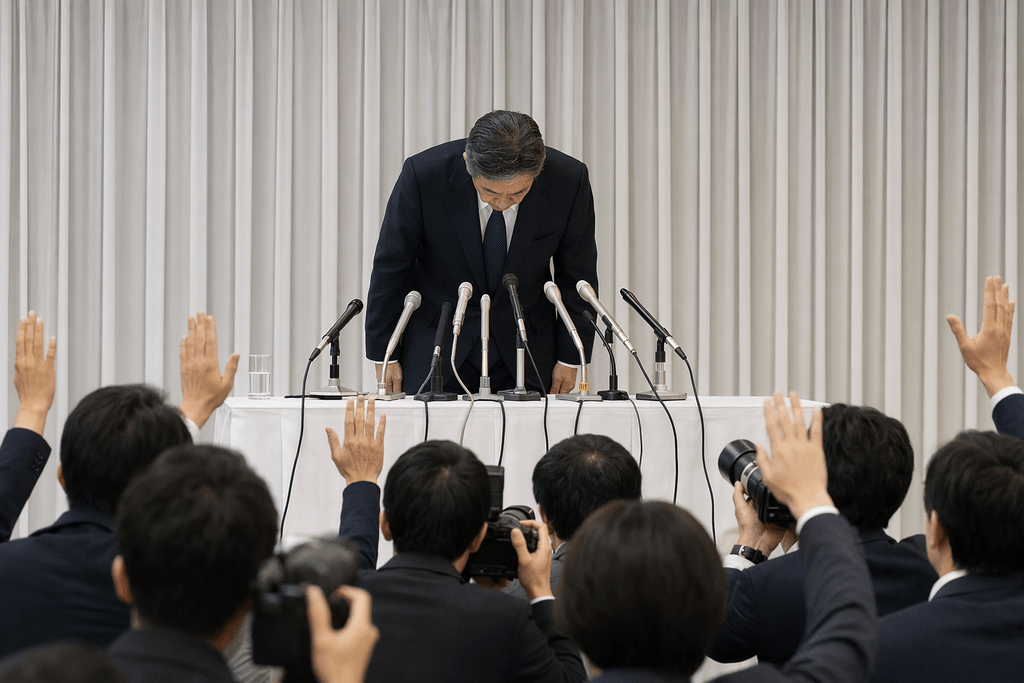
会見
記者會 / 會面
会見
記者會 / 會面
Explanation
会見
記者會 / 會面
会見
正式會面、接見 / 訪談 / 記者會
( Base form )
( romanization )
( kyūjitai )
( hiragana )
疎か
疏忽
疎か
疏忽
Explanation
疎か
疏忽
疎か
更不用說;遑論 / 且不說…,連…也…

Word Forms
The basic and commonly used forms of this adjectival noun.
Basic forms
| Form | Word form | Usage |
|---|---|---|
| Imperfective form (mizenkei) | Used in forms such as darou. | |
| Continuative form (renyokei) |
Alternative:
疎かに
疎かだっ
|
Used with de or ni. |
| Conclusive form (shushikei) | Ends a sentence with da. | |
| Attributive form (rentaikei) |
Alternative:
疎かである
|
Modifies a noun with na. |
| Conditional form (kateikei) |
Alternative:
疎かならば
|
Expresses a condition with nara. |
| Imperative form (meireikei) | Used in formal expressions such as de are. |
Common forms
| Form | Word form | Usage |
|---|---|---|
| Te-form equivalent | Connects clauses using de. | |
| Ta-form | Expresses the past with datta. | |
| Nai-form |
Alternative:
疎かじゃない
|
Expresses negation with dewa nai or ja nai. |
| Desu-form | Used for polite speech. |
Notes
察する
推察 / 體諒
察する
推察 / 體諒
Explanation
察する
推察 / 體諒
察する
推測 / 察覺 / 體察

Word Forms
The basic and commonly used forms of this verb.
Basic forms
| Form | Word form | Usage |
|---|---|---|
| Imperfective form (mizenkei) |
Alternative:
察せ
察さ
|
Connects to endings such as nai, reru, and seru. |
| Continuative form (renyokei) | Connects to endings such as masu, tai, and ta. | |
| Conclusive form (shushikei) | Ends a sentence and serves as the dictionary form. | |
| Attributive form (rentaikei) | Modifies a noun. | |
| Conditional form (kateikei) | Combines with ba to express a condition. | |
| Imperative form (meireikei) |
Alternative:
察せよ
|
Expresses a command or instruction. |
Common forms
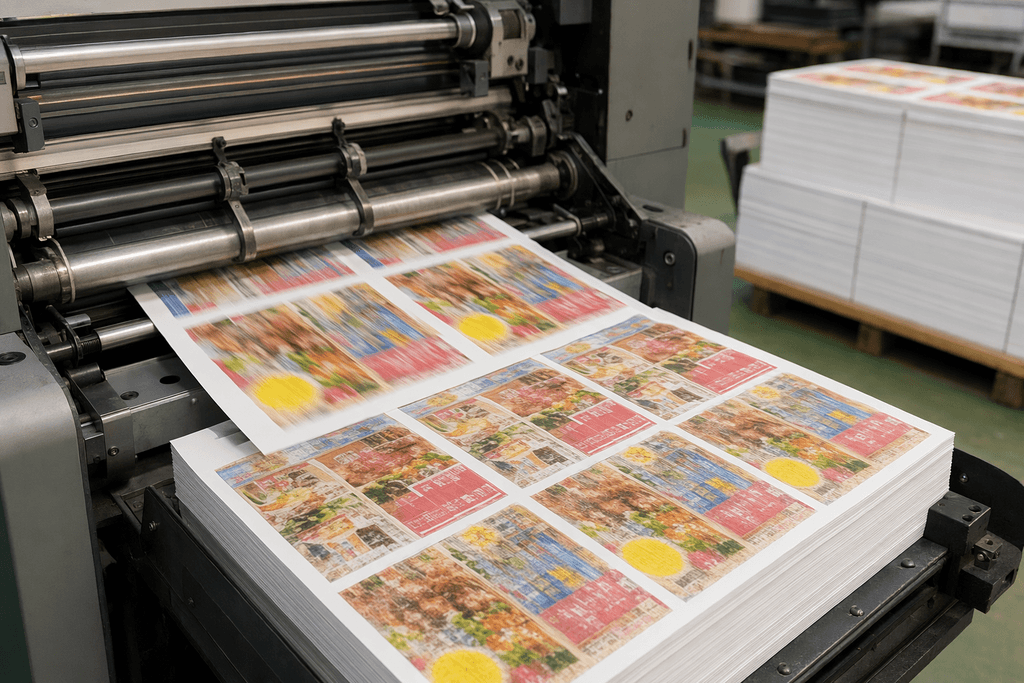
刷り
印刷
刷り
印刷
Explanation
刷り
印刷
刷り
印刷 / 印次(第幾刷) / 加印/再刷
( Base form )
( romanization )
和らげる
緩解
和らげる
緩解
Explanation
和らげる
緩解
和らげる
使柔和;緩和 / 緩解;減輕 / 安撫;平息

Word Forms
The basic and commonly used forms of this verb.
Basic forms
| Form | Word form | Usage |
|---|---|---|
| Imperfective form (mizenkei) | Connects to endings such as nai, reru, and seru. | |
| Continuative form (renyokei) | Connects to endings such as masu, tai, and ta. | |
| Conclusive form (shushikei) | Ends a sentence and serves as the dictionary form. | |
| Attributive form (rentaikei) | Modifies a noun. | |
| Conditional form (kateikei) | Combines with ba to express a condition. | |
| Imperative form (meireikei) |
Alternative:
和らげよ
|
Expresses a command or instruction. |
Common forms
Loading...

JLPT N1 多言語単語帳・3032語 / JLPT N1 Multilingual Vocabulary: 3032 Words

Jonathan Waller 氏の JLPT Resources の語彙リスト・レベル分類を出典とし、CC BY の条件に従って DiQt が学習者向けに意味を作り直した3032語の単語帳です。JLPT公式の語彙リストではありません。
This collection of 3032 words is based on the vocabulary list and level classifications in Jonathan Waller’s JLPT Resources under CC BY, with meanings rewritten by DiQt for learners. It is not an official JLPT vocabulary list.
Key Operations
Select the first quiz:
Ctrl + Enter
View Explanation:Ctrl + G
Close a feedback:Esc
When selecting a quiz
Answer:Enter
Select a choice:↓ or ↑
Reading out the question:Ctrl + K
View Hint: Ctrl + M
I don't know: Ctrl + Y



