
JLPT N5 詞義四選一 - Unsolved

透過四選一題目,用繁體中文學習JLPT N5的665個單字詞義。
-
洗澡
-
詞語 / 語言
-
肉
-
考試
-
咖哩
-
腳踏車
-
任職
-
等
-
刷牙 / 擦亮
- 五段活用(サ行)。
- この見出し語は「さす」と読む。「傘を差す」「酒を差す」「油を差す」などの用法。
- 「指す」は同音の別表記で、意味により使い分ける。
-
菸草 / 香菸
-
肚子
-
英語
-
我
-
那邊
-
哪位
-
春天
-
教室
-
庭院
-
近
-
多
-
容易
-
對面
-
晚餐
-
村莊
-
多
-
自己
-
再一次
-
鹽
-
上午
-
留學生
昨日
昨天
昨日
昨天
Explanation
昨日
昨天
昨日
昨天 / 前一日

( romanization )
( romanization )
( hiragana historical )
( hiragana )
窓
窗戶
窓
窗戶
Explanation
窓
窗戶
窓
建築物牆面上採光通風的開口,通常裝有玻璃 / 車輛或器物上供觀看的玻璃開口 / 電腦螢幕上的視窗

( romanization )
( hiragana )
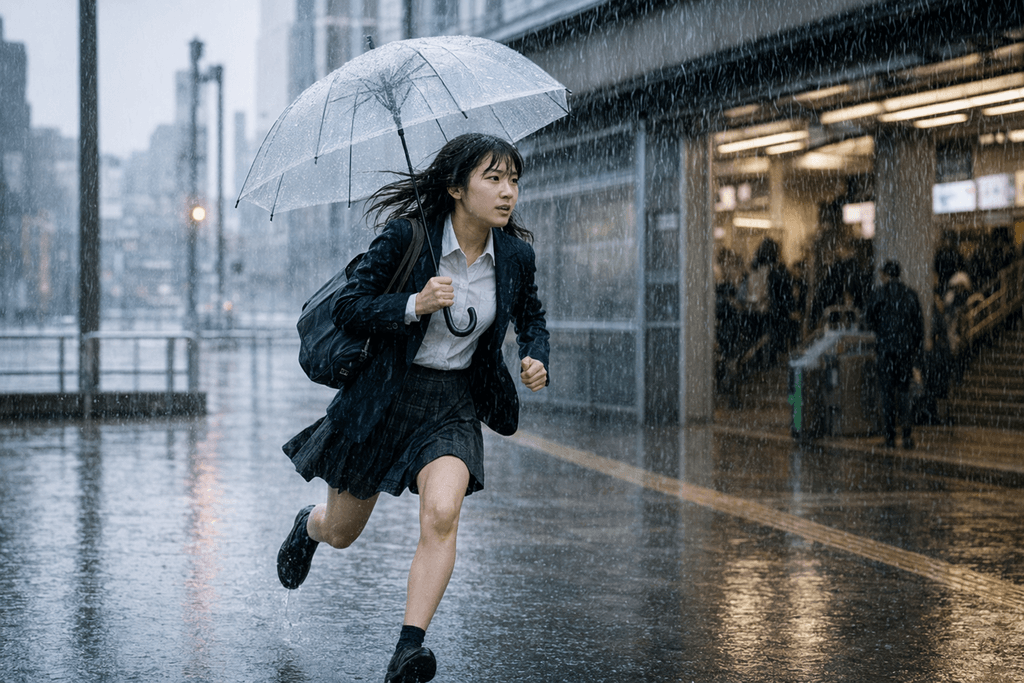
差す
撐傘
差す
撐傘
Explanation
差す
撐傘
差す
舉起或伸出手 / 撐傘於頭上 / 斟酒;倒、滴下
Word Forms
The basic and commonly used forms of this verb.
Basic forms
| Form | Word form | Usage |
|---|---|---|
| Imperfective form (mizenkei) |
Alternative:
差そ
|
Connects to endings such as nai, reru, and seru. |
| Continuative form (renyokei) | Connects to endings such as masu, tai, and ta. | |
| Conclusive form (shushikei) | Ends a sentence and serves as the dictionary form. | |
| Attributive form (rentaikei) | Modifies a noun. | |
| Conditional form (kateikei) | Combines with ba to express a condition. | |
| Imperative form (meireikei) | Expresses a command or instruction. |
Common forms
| Form | Word form | Usage |
|---|---|---|
| Te-form | Connects clauses with te. | |
| Ta-form | Expresses the past with ta. | |
| Nai-form | Expresses negation with nai. | |
| Masu-form | Used for polite speech. | |
| Ba-form | Expresses a condition with ba. | |
| Volitional form | Expresses intention or invitation. |
Notes
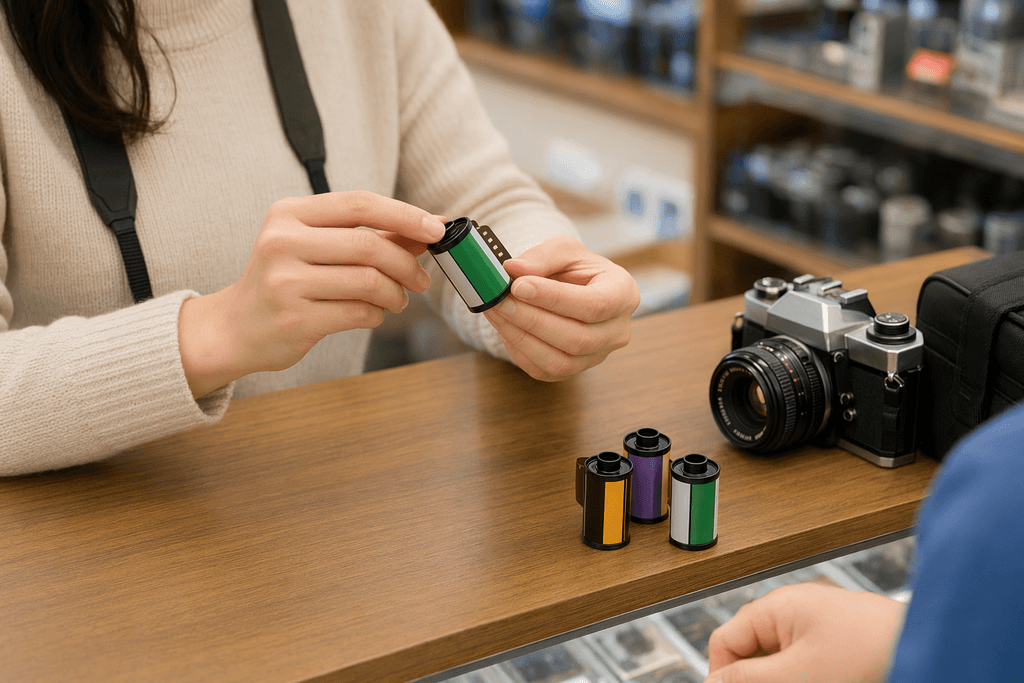
フィルム
底片
フィルム
底片
Explanation
底片
フィルム
電影(總稱) / 薄膜 / (相機)底片
( romanization )
何
什麼
何
什麼
Explanation
何
什麼
何
什麼? / 嗯? / 啊?

( romanization )
( hiragana )
一昨年
前年
一昨年
前年
Explanation
一昨年
前年
一昨年
前年 / 兩年前

( Base form )
( romanization )
( hiragana )
( Base form )
( romanization )
( romanization )
( hiragana historical )
( hiragana )
白い
白色
白い
白色
Explanation
白い
白色
白い
白色的 / 純潔的;清白的

Word Forms
The basic and commonly used forms of this adjective.
Basic forms
| Form | Word form | Usage |
|---|---|---|
| Imperfective form (mizenkei) | Used in forms such as karou; mainly literary. | |
| Continuative form (renyokei) |
Alternative:
白かっ
|
Used in forms such as kute and kunai. |
| Conclusive form (shushikei) | Ends a sentence. | |
| Attributive form (rentaikei) | Modifies a noun. | |
| Conditional form (kateikei) | Expresses a condition with kereba. | |
| Imperative form (meireikei) | Rarely used in modern Japanese. |
Common forms
猫
貓
猫
貓
Explanation
猫
貓
猫
貓(家貓) / 貓科動物

( romanization )
( hiragana )
ください
請
ください
請
Explanation
請
ください
請給我(用於請求物品) / 請做……(用於請求他人行動)

( romanization )
晴れ
晴天
晴れ
晴天
Explanation
晴れ
晴天
晴れ
晴天 / 晴朗天氣 / 好天氣

( Base form )
( romanization )
Loading...

JLPT N5 多言語単語帳・665語 / JLPT N5 Multilingual Vocabulary: 665 Words

Jonathan Waller 氏の JLPT Resources の語彙リスト・レベル分類を出典とし、CC BY の条件に従って DiQt が初級向けに意味を作り直した665語の単語帳です。JLPT公式の語彙リストではありません。
This collection of 665 words is based on the vocabulary list and level classifications in Jonathan Waller’s JLPT Resources under CC BY, with meanings rewritten by DiQt for beginners. It is not an official JLPT vocabulary list.
Key Operations
Select the first quiz:
Ctrl + Enter
View Explanation:Ctrl + G
Close a feedback:Esc
When selecting a quiz
Answer:Enter
Select a choice:↓ or ↑
Reading out the question:Ctrl + K
View Hint: Ctrl + M
I don't know: Ctrl + Y



