
JLPT N5 詞義四選一 - Unsolved

透過四選一題目,用繁體中文學習JLPT N5的665個單字詞義。
-
哪個
-
那個
-
大
-
飛
-
打電話
-
製作
-
蔬菜
-
蔬果店
-
電影院
-
警察
-
飛機
-
百貨公司
-
米飯 / 飯
-
酒 / 日本清酒
-
鉛筆
-
明亮
-
好
-
快
-
哪一個 / 哪邊
-
那邊
-
這邊
-
穿衣服
-
攀登
-
花時間 / 花錢
-
這個
-
那個
-
哪個
-
地方
-
男人
-
留學生
小さな
小
小さな
小
Explanation
小さな
小
小さな
尺寸或數量小的 / 年幼的;年輕的

使う
使用
使う
使用
Explanation
使う
使用
使う
使用 / 利用 / 運用

Word Forms
The basic and commonly used forms of this verb.
Basic forms
| Form | Word form | Usage |
|---|---|---|
| Imperfective form (mizenkei) |
Alternative:
使お
|
Connects to endings such as nai, reru, and seru. |
| Continuative form (renyokei) | Connects to endings such as masu, tai, and ta. | |
| Conclusive form (shushikei) | Ends a sentence and serves as the dictionary form. | |
| Attributive form (rentaikei) | Modifies a noun. | |
| Conditional form (kateikei) | Combines with ba to express a condition. | |
| Imperative form (meireikei) | Expresses a command or instruction. |
Common forms
シャツ
襯衫
シャツ
襯衫
Explanation
襯衫
シャツ
襯衫(有領、有扣的上衣) / 內衣(貼身汗衫)

( romanization )
授業
課
授業
課
Explanation
授業
課
授業
課程 / 上課 / 授課

( Base form )
( romanization )
( hiragana )
夏
夏天
夏
夏天
Explanation
夏
夏天
夏
夏季 / 夏天 / 夏令

( romanization )
( hiragana )
低い
低 / 矮
低い
低 / 矮
Explanation
低い
低 / 矮
低い
低的 / 矮的 / 低沉的

Word Forms
The basic and commonly used forms of this adjective.
Basic forms
| Form | Word form | Usage |
|---|---|---|
| Imperfective form (mizenkei) | Used in forms such as karou; mainly literary. | |
| Continuative form (renyokei) |
Alternative:
低かっ
|
Used in forms such as kute and kunai. |
| Conclusive form (shushikei) | Ends a sentence. | |
| Attributive form (rentaikei) | Modifies a noun. | |
| Conditional form (kateikei) | Expresses a condition with kereba. | |
| Imperative form (meireikei) | Rarely used in modern Japanese. |
Common forms
あなた
你
あなた
你
Explanation
你
あなた
你 / 您

( romanization )
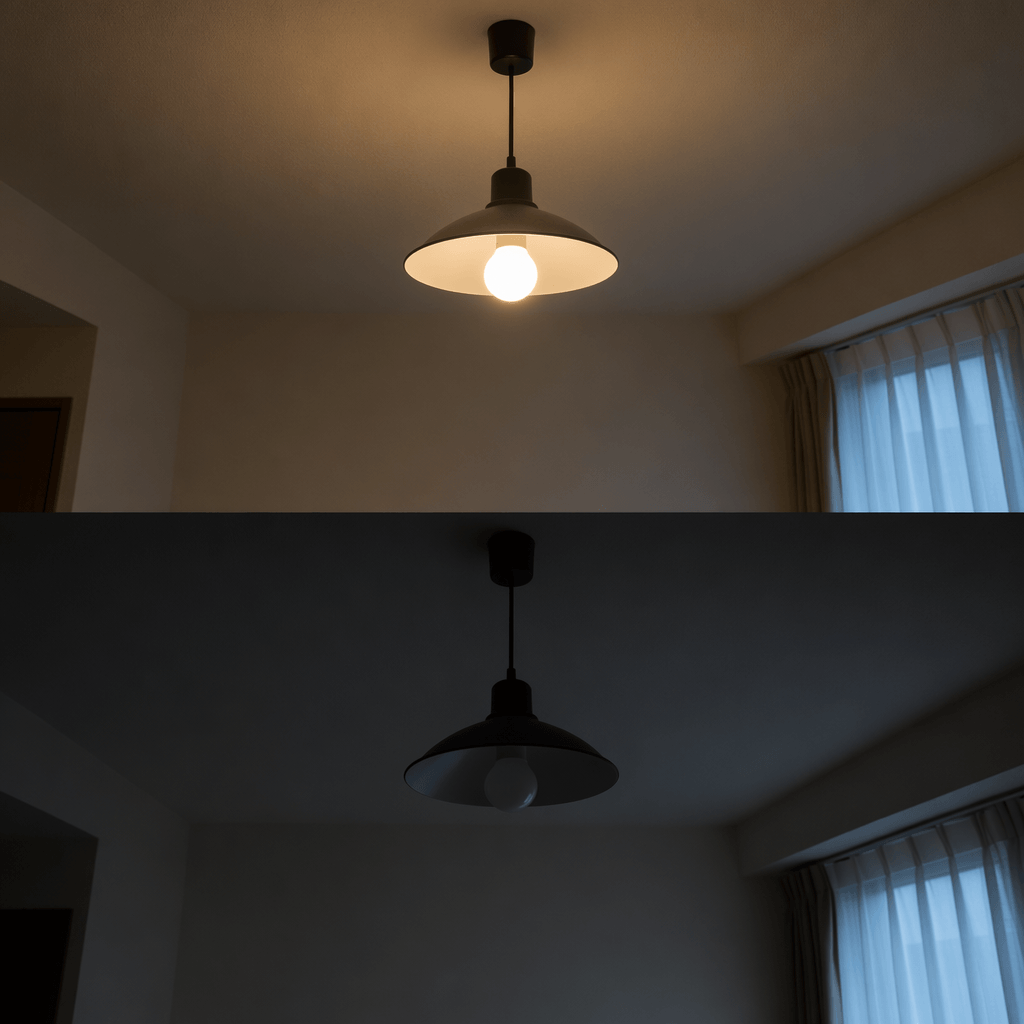
消える
消失 / 熄滅
消える
消失 / 熄滅
Explanation
消える
消失 / 熄滅
消える
消失 / 熄滅(指火焰或燈光) / 去世
Word Forms
The basic and commonly used forms of this verb.
Basic forms
| Form | Word form | Usage |
|---|---|---|
| Imperfective form (mizenkei) | Connects to endings such as nai, reru, and seru. | |
| Continuative form (renyokei) | Connects to endings such as masu, tai, and ta. | |
| Conclusive form (shushikei) | Ends a sentence and serves as the dictionary form. | |
| Attributive form (rentaikei) | Modifies a noun. | |
| Conditional form (kateikei) | Combines with ba to express a condition. | |
| Imperative form (meireikei) |
Alternative:
消えよ
|
Expresses a command or instruction. |
Common forms
大きな
大
大きな
大
Explanation
大きな
大
大きな
大的 / 巨大的 / 重大的

レストラン
餐廳
レストラン
餐廳
Explanation
餐廳
レストラン
餐廳 / 西式餐廳

( romanization )
Loading...

JLPT N5 多言語単語帳・665語 / JLPT N5 Multilingual Vocabulary: 665 Words

Jonathan Waller 氏の JLPT Resources の語彙リスト・レベル分類を出典とし、CC BY の条件に従って DiQt が初級向けに意味を作り直した665語の単語帳です。JLPT公式の語彙リストではありません。
This collection of 665 words is based on the vocabulary list and level classifications in Jonathan Waller’s JLPT Resources under CC BY, with meanings rewritten by DiQt for beginners. It is not an official JLPT vocabulary list.
Key Operations
Select the first quiz:
Ctrl + Enter
View Explanation:Ctrl + G
Close a feedback:Esc
When selecting a quiz
Answer:Enter
Select a choice:↓ or ↑
Reading out the question:Ctrl + K
View Hint: Ctrl + M
I don't know: Ctrl + Y



