
JLPT N3 词义四选一 - Unsolved

通过四选一题目,用简体中文学习JLPT N3的1677个单词含义。
-
情况 / 容器
-
正确性 / 正数
-
直觉
-
豪华
-
严重
-
鲜红的
-
演讲
-
助手
-
人种
-
有关
-
在
-
合并 / 配合
-
实现
-
腰带 / 长条
-
以前 / 从前
-
人
-
芽
-
忍耐
-
阴天
-
图示
-
博物馆
-
就任
-
赠送
-
穿鞋 / 穿裤子
-
支付 / 发放
-
热衷
-
牛
-
大大地
-
渐渐
-
最近
タオル
毛巾
タオル
毛巾
Explanation
毛巾
タオル
毛巾 / 擦拭用的布 / 浴巾

( romanization )
( counter )
快適
舒适
快適
舒适
Explanation
快適
舒适
快適
舒适 / 惬意 / 宜人

Word Forms
The basic and commonly used forms of this adjectival noun.
Basic forms
| Form | Word form | Usage |
|---|---|---|
| Imperfective form (mizenkei) | Used in forms such as darou. | |
| Continuative form (renyokei) |
Alternative:
快適に
|
Used with de or ni. |
| Conclusive form (shushikei) | Ends a sentence with da. | |
| Attributive form (rentaikei) | Modifies a noun with na. | |
| Conditional form (kateikei) | Expresses a condition with nara. | |
| Imperative form (meireikei) | Used in formal expressions such as de are. |
Common forms
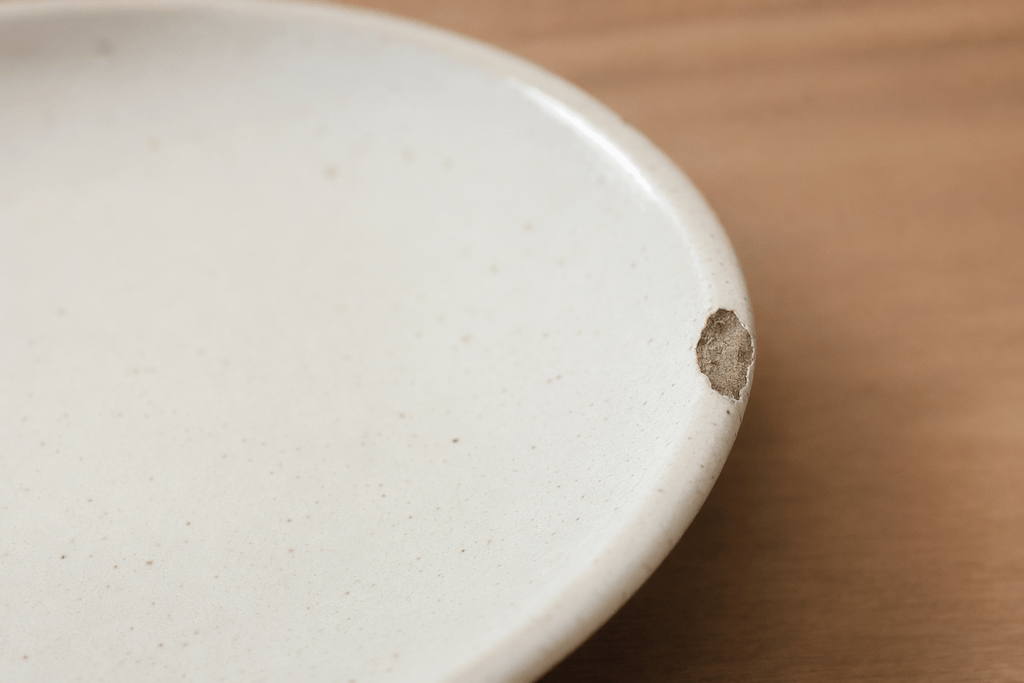
ふち
边沿
ふち
边沿
Explanation
边沿
ふち
边缘 / 边沿 / (器物的)口沿
( romanization )
信じる
相信 / 信任
信じる
相信 / 信任
Explanation
信じる
相信 / 信任
信じる
相信 / 信任 / 信仰(神等)

Word Forms
The basic and commonly used forms of this verb.
Basic forms
| Form | Word form | Usage |
|---|---|---|
| Imperfective form (mizenkei) | Connects to endings such as nai, reru, and seru. | |
| Continuative form (renyokei) | Connects to endings such as masu, tai, and ta. | |
| Conclusive form (shushikei) | Ends a sentence and serves as the dictionary form. | |
| Attributive form (rentaikei) | Modifies a noun. | |
| Conditional form (kateikei) | Combines with ba to express a condition. | |
| Imperative form (meireikei) |
Alternative:
信じよ
|
Expresses a command or instruction. |
Common forms
仲
关系
仲
关系
Explanation
仲
关系
仲
关系;交情 / 来往状况

宅
家
宅
家
Explanation
宅
家
宅
住宅;家;府上(敬称) / 丈夫(对方丈夫的尊称)

( romanization )
( hiragana )
実施
实施
実施
实施
Explanation
実施
实施
実施
实施 / 执行 / 施行

( Base form )
( romanization )
( kyūjitai )
( hiragana )
起こる
发生
起こる
发生
Explanation
起こる
发生
起こる
发生 / 出现 / 产生

Word Forms
The basic and commonly used forms of this verb.
Basic forms
| Form | Word form | Usage |
|---|---|---|
| Imperfective form (mizenkei) | Connects to endings such as nai, reru, and seru. | |
| Continuative form (renyokei) | Connects to endings such as masu, tai, and ta. | |
| Conclusive form (shushikei) | Ends a sentence and serves as the dictionary form. | |
| Attributive form (rentaikei) | Modifies a noun. | |
| Conditional form (kateikei) | Combines with ba to express a condition. | |
| Imperative form (meireikei) | Expresses a command or instruction. |
Common forms
男の人
男人
男の人
男人
Explanation
男の人
男人
男の人
男人 / 成年男性 / 男士

( Base form )
( romanization )
( hiragana )
更に
此外 / 更加
更に
此外 / 更加
Explanation
更に
此外 / 更加
更に
更加;愈发 / 此外;并且;而且 / (与否定搭配)丝毫不;一点也不

( Base form )
( romanization )
Loading...

JLPT N3 多言語単語帳・1677語 / JLPT N3 Multilingual Vocabulary: 1677 Words

Jonathan Waller 氏の JLPT Resources の語彙リスト・レベル分類を出典とし、CC BY の条件に従って DiQt が学習者向けに意味を作り直した1677語の単語帳です。JLPT公式の語彙リストではありません。
This collection of 1677 words is based on the vocabulary list and level classifications in Jonathan Waller’s JLPT Resources under CC BY, with meanings rewritten by DiQt for learners. It is not an official JLPT vocabulary list.
Key Operations
Select the first quiz:
Ctrl + Enter
View Explanation:Ctrl + G
Close a feedback:Esc
When selecting a quiz
Answer:Enter
Select a choice:↓ or ↑
Reading out the question:Ctrl + K
View Hint: Ctrl + M
I don't know: Ctrl + Y



