
JLPT N3 词义四选一 - Unsolved

通过四选一题目,用简体中文学习JLPT N3的1677个单词含义。
-
倒不如
-
几乎 / 大约
-
眼看就要
-
风景
-
引用
-
订购
-
咳嗽
-
大战
-
稻田
-
毛巾
-
记忆
-
要点
-
分析
-
金融
-
怜悯
-
因为 / 连
-
还有
-
一定
-
污染
-
头发
-
礼貌
-
权利
-
舌头
-
护照
-
不由自主地
-
即
-
马上
-
深色 / 浓
-
不可以 / 不对
-
年幼的
がっかり
沮丧
がっかり
沮丧
Explanation
沮丧
がっかり
失望地 / 沮丧地 / 灰心地

ホーム
站台 / 家
ホーム
站台 / 家
Explanation
站台 / 家
ホーム
(火车站、地铁站的)站台 / 月台

( romanization )
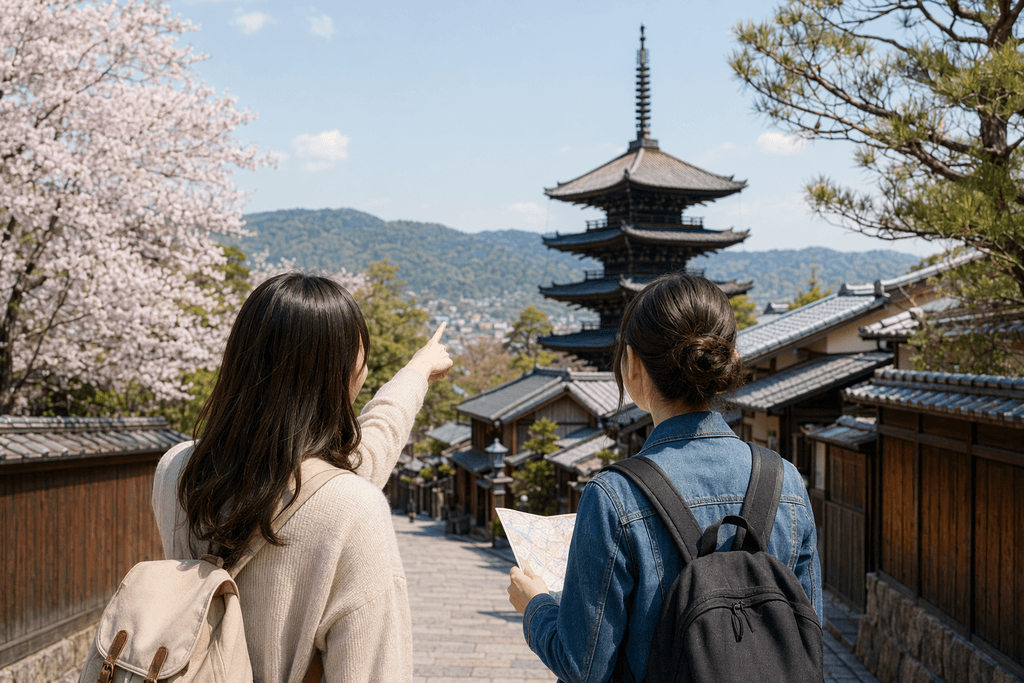
観光
观光
観光
观光
Explanation
観光
观光
観光
观光 / 旅游(游览名胜) / 旅游业
( Base form )
( romanization )
( romanization )
( kyūjitai )
( hiragana historical )
( hiragana )
生地
布料 / 面团
生地
布料 / 面团
Explanation
生地
布料 / 面团
生地
布料;织物 / 面糊;面团 / (陶瓷)素烧坯;坯胎

( Base form )
( romanization )
( romanization )
( hiragana historical )
( hiragana )
出身
出身
出身
出身
Explanation
出身
出身
出身
籍贯;出生地 / 母校;毕业学校 / 出自的团体或组织

( Base form )
( romanization )
( hiragana )
対する
面对 / 对于
対する
面对 / 对于
Explanation
対する
面对 / 对于
対する
针对、关于 / 面对、相对 / 反对、回应

Word Forms
The basic and commonly used forms of this verb.
Basic forms
| Form | Word form | Usage |
|---|---|---|
| Imperfective form (mizenkei) | Connects to endings such as nai, reru, and seru. | |
| Continuative form (renyokei) | Connects to endings such as masu, tai, and ta. | |
| Conclusive form (shushikei) | Ends a sentence and serves as the dictionary form. | |
| Attributive form (rentaikei) | Modifies a noun. | |
| Conditional form (kateikei) | Combines with ba to express a condition. | |
| Imperative form (meireikei) |
Alternative:
対しろ
|
Expresses a command or instruction. |
Common forms
農家
农户
農家
农户
Explanation
農家
农户
農家
农民家庭 / 农民;农夫 / 农舍

( Base form )
( romanization )
( hiragana )
おしゃべり
闲聊
おしゃべり
闲聊
Explanation
闲聊
おしゃべり
闲聊 / 闲谈 / 闲言碎语

( romanization )
さっぱり
神清气爽 / 完全不
さっぱり
神清气爽 / 完全不
Explanation
神清气爽 / 完全不
さっぱり
清爽、轻松 / 清淡、朴素;干净、整洁 / 完全;(与否定连用)一点也不;完全不行

( romanization )
苦しい
痛苦 / 艰难
苦しい
痛苦 / 艰难
Explanation
苦しい
痛苦 / 艰难
苦しい
痛苦的(身心) / 艰难的、费力的、难熬的 / 拮据的(预算等)、勉强的(理由等)

Word Forms
The basic and commonly used forms of this adjective.
Basic forms
| Form | Word form | Usage |
|---|---|---|
| Imperfective form (mizenkei) | Used in forms such as karou; mainly literary. | |
| Continuative form (renyokei) |
Alternative:
苦しかっ
|
Used in forms such as kute and kunai. |
| Conclusive form (shushikei) | Ends a sentence. | |
| Attributive form (rentaikei) | Modifies a noun. | |
| Conditional form (kateikei) | Expresses a condition with kereba. | |
| Imperative form (meireikei) | Rarely used in modern Japanese. |
Common forms
Loading...

JLPT N3 多言語単語帳・1677語 / JLPT N3 Multilingual Vocabulary: 1677 Words

Jonathan Waller 氏の JLPT Resources の語彙リスト・レベル分類を出典とし、CC BY の条件に従って DiQt が学習者向けに意味を作り直した1677語の単語帳です。JLPT公式の語彙リストではありません。
This collection of 1677 words is based on the vocabulary list and level classifications in Jonathan Waller’s JLPT Resources under CC BY, with meanings rewritten by DiQt for learners. It is not an official JLPT vocabulary list.
Key Operations
Select the first quiz:
Ctrl + Enter
View Explanation:Ctrl + G
Close a feedback:Esc
When selecting a quiz
Answer:Enter
Select a choice:↓ or ↑
Reading out the question:Ctrl + K
View Hint: Ctrl + M
I don't know: Ctrl + Y



