
JLPT N2: Latihan arti kata - Unsolved

Pelajari arti 1790 kata JLPT N2 dalam bahasa Indonesia melalui soal dengan empat pilihan jawaban.
-
Abad Pertengahan
-
intisari
-
zaman primitif
-
pertemuan / himpunan
-
sudut jalan
-
pencurian
-
bersulang
-
jaga diri baik-baik
-
jadi teringat
-
gudang penyimpanan
-
pertengahan jalan
-
penyesuaian
-
geng
-
lemari penyimpanan
-
permohonan resmi
-
kelopak mata
-
suku cadang
-
gaun terusan
-
menyusut
-
memutar / memeras otak
-
mendendam
- 一段活用動詞。「具える」は「備える」とも表記される。
-
berada setelah
-
menggelindingkan
-
memasang / mengenakan
- 五段活用ラ行。自動詞。表記揺れとして「引っくり返る」「引っ繰り返る」「ひっくりかえる」がある。
-
jam sibuk
-
pemadaman air
-
anak bungsu
-
matahari terbit
-
bencana kelaparan
-
cat lukis
美容
perawatan kecantikan
美容
perawatan kecantikan
Explanation
美容
perawatan kecantikan
美容
kecantikan (khususnya wajah atau tubuh) / perawatan kecantikan / kosmetologi

( Base form )
( romanization )
( hiragana )
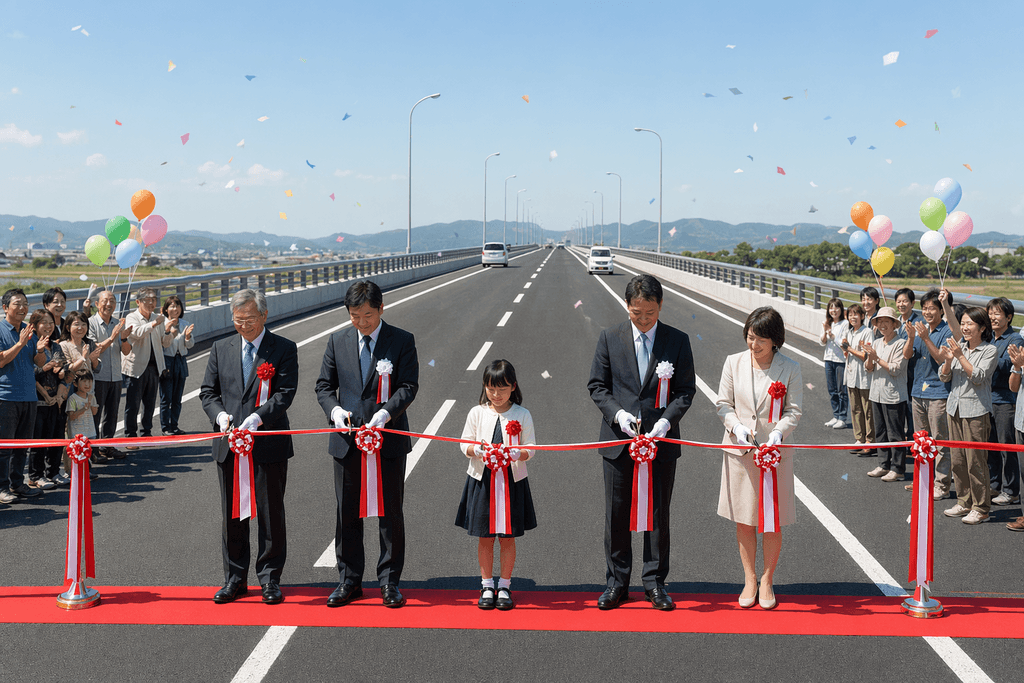
開通
pembukaan jalur lalu lintas
開通
pembukaan jalur lalu lintas
Explanation
開通
pembukaan jalur lalu lintas
開通
pembukaan jalur atau akses untuk lalu lintas / mulai beroperasinya fasilitas/layanan (jalan, kereta, dsb.) / pengaktifan koneksi/layanan (telepon, internet)
( Base form )
( romanization )
( stem )
( Past )
( table-tags )
( inflection-template )
( imperfective stem )
( imperfective stem )
( imperfective )
( continuative stem )
( continuative stem )
( continuative )
( stem terminative )
( stem terminative )
( terminative )
( attributive stem )
( attributive stem )
( attributive )
( hypothetical stem )
( hypothetical stem )
( hypothetical )
( Imperative literary stem )
( colloquial Imperative stem )
( Imperative literary stem )
( colloquial Imperative stem )
( Imperative literary )
( colloquial Imperative )
( Passive voice )
( Passive voice )
( Passive voice )
( causative )
( causative )
( causative )
( causative )
( causative )
( causative )
( potential )
( potential )
( potential )
( volitional )
( volitional )
( volitional )
( negative )
( negative )
( negative )
( continuative negative )
( continuative negative )
( continuative negative )
( formal )
( formal )
( formal )
( perfective )
( perfective )
( perfective )
( conjunctive )
( conjunctive )
( conjunctive )
( Conditional hypothetical )
( Conditional hypothetical )
( Conditional hypothetical )
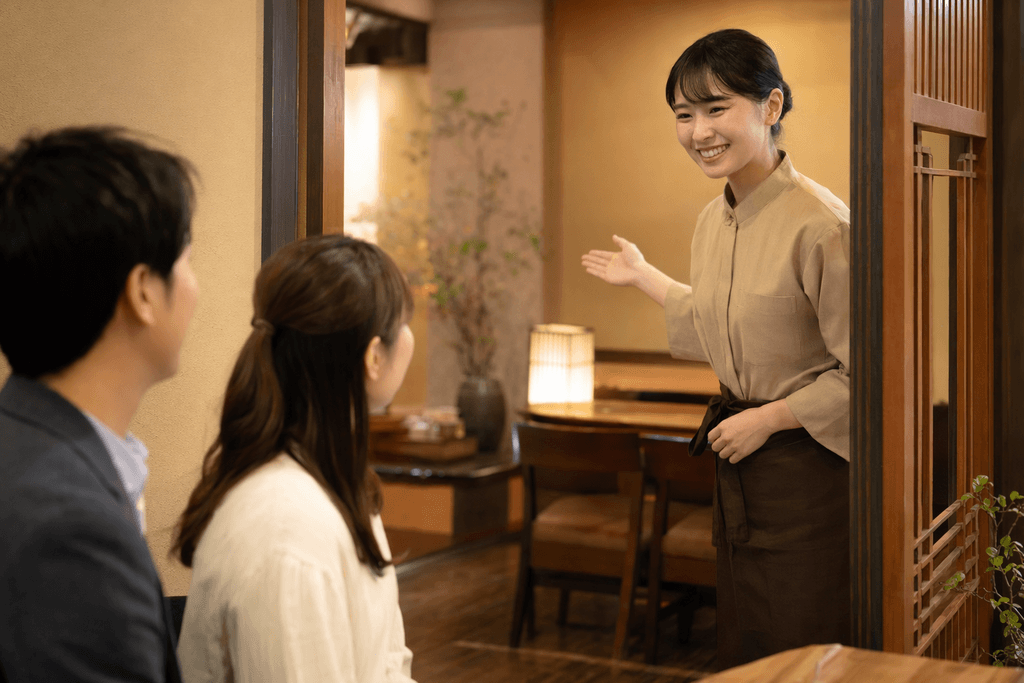
お待ちどうさま
terima kasih sudah menunggu
お待ちどうさま
terima kasih sudah menunggu
Explanation
お待ちどうさま
terima kasih sudah menunggu
お待ちどうさま
maaf telah menunggu / terima kasih sudah menunggu
出来上がり
penyelesaian / hasil jadi
出来上がり
penyelesaian / hasil jadi
Explanation
出来上がり
penyelesaian / hasil jadi
出来上がり
hasil jadi / penyelesaian / keadaan siap

( romanization )
対立
pertentangan
対立
pertentangan
Explanation
対立
pertentangan
対立
pertentangan / konfrontasi / konflik

( Base form )
( romanization )
( stem )
( Past )
( kyūjitai )
( table-tags )
( inflection-template )
( imperfective stem )
( imperfective stem )
( imperfective )
( continuative stem )
( continuative stem )
( continuative )
( stem terminative )
( stem terminative )
( terminative )
( attributive stem )
( attributive stem )
( attributive )
( hypothetical stem )
( hypothetical stem )
( hypothetical )
( Imperative literary stem )
( colloquial Imperative stem )
( Imperative literary stem )
( colloquial Imperative stem )
( Imperative literary )
( colloquial Imperative )
( Passive voice )
( Passive voice )
( Passive voice )
( causative )
( causative )
( causative )
( causative )
( causative )
( causative )
( potential )
( potential )
( potential )
( volitional )
( volitional )
( volitional )
( negative )
( negative )
( negative )
( continuative negative )
( continuative negative )
( continuative negative )
( formal )
( formal )
( formal )
( perfective )
( perfective )
( perfective )
( conjunctive )
( conjunctive )
( conjunctive )
( Conditional hypothetical )
( Conditional hypothetical )
( Conditional hypothetical )
受け取り
tanda terima / penerimaan
受け取り
tanda terima / penerimaan
Explanation
受け取り
tanda terima / penerimaan
受け取り
penerimaan / tanda terima / kuitansi

( Base form )
( romanization )
具える
dilengkapi
具える
dilengkapi
Explanation
具える
dilengkapi
具える
dilengkapi dengan / memiliki / dikaruniai (sifat/kemampuan)

Word Forms
The basic and commonly used forms of this verb.
Basic forms
| Form | Word form | Usage |
|---|---|---|
| Imperfective form (mizenkei) |
Alternative:
備え
|
Connects to endings such as nai, reru, and seru. |
| Continuative form (renyokei) |
Alternative:
備え
|
Connects to endings such as masu, tai, and ta. |
| Conclusive form (shushikei) |
Alternative:
備える
|
Ends a sentence and serves as the dictionary form. |
| Attributive form (rentaikei) |
Alternative:
備える
|
Modifies a noun. |
| Conditional form (kateikei) |
Alternative:
備えれ
|
Combines with ba to express a condition. |
| Imperative form (meireikei) |
Alternative:
具えよ
備えろ
備えよ
|
Expresses a command or instruction. |
Common forms
| Form | Word form | Usage |
|---|---|---|
| Te-form |
Alternative:
備えて
|
Connects clauses with te. |
| Ta-form |
Alternative:
備えた
|
Expresses the past with ta. |
| Nai-form |
Alternative:
備えない
|
Expresses negation with nai. |
| Masu-form |
Alternative:
備えます
|
Used for polite speech. |
| Ba-form |
Alternative:
備えれば
|
Expresses a condition with ba. |
| Volitional form |
Alternative:
備えよう
|
Expresses intention or invitation. |
Notes
ひっくり返る
terbalik
ひっくり返る
terbalik
Explanation
ひっくり返る
terbalik
ひっくり返る
terbalik / terjungkir / terguling

Word Forms
The basic and commonly used forms of this verb.
Basic forms
| Form | Word form | Usage |
|---|---|---|
| Imperfective form (mizenkei) |
Alternative:
引っくり返ら
引っ繰り返ら
ひっくりかえら
|
Connects to endings such as nai, reru, and seru. |
| Continuative form (renyokei) |
Alternative:
引っくり返り
引っ繰り返り
ひっくりかえり
|
Connects to endings such as masu, tai, and ta. |
| Conclusive form (shushikei) |
Alternative:
引っくり返る
引っ繰り返る
ひっくりかえる
|
Ends a sentence and serves as the dictionary form. |
| Attributive form (rentaikei) |
Alternative:
引っくり返る
引っ繰り返る
ひっくりかえる
|
Modifies a noun. |
| Conditional form (kateikei) |
Alternative:
引っくり返れ
引っ繰り返れ
ひっくりかえれ
|
Combines with ba to express a condition. |
| Imperative form (meireikei) |
Alternative:
引っくり返れ
引っ繰り返れ
ひっくりかえれ
|
Expresses a command or instruction. |
Common forms
| Form | Word form | Usage |
|---|---|---|
| Te-form |
Alternative:
引っくり返って
引っ繰り返って
ひっくりかえって
|
Connects clauses with te. |
| Ta-form |
Alternative:
引っくり返った
引っ繰り返った
ひっくりかえった
|
Expresses the past with ta. |
| Nai-form |
Alternative:
引っくり返らない
引っ繰り返らない
ひっくりかえらない
|
Expresses negation with nai. |
| Masu-form |
Alternative:
引っくり返ります
引っ繰り返ります
ひっくりかえります
|
Used for polite speech. |
| Ba-form |
Alternative:
引っくり返れば
引っ繰り返れば
ひっくりかえれば
|
Expresses a condition with ba. |
| Volitional form |
Alternative:
引っくり返ろう
引っ繰り返ろう
ひっくりかえろう
|
Expresses intention or invitation. |
Notes
手帳
buku catatan saku
手帳
buku catatan saku
Explanation
手帳
buku catatan saku
手帳
buku catatan kecil / buku agenda / buku harian

( Base form )
( romanization )
( romanization )
( hiragana historical )
( hiragana )
灯台
mercusuar
灯台
mercusuar
Explanation
灯台
mercusuar
灯台
mercusuar / menara suar

( Base form )
( romanization )
( hiragana )
Loading...

JLPT N2 多言語単語帳・1790語 / JLPT N2 Multilingual Vocabulary: 1790 Words

Jonathan Waller 氏の JLPT Resources の語彙リスト・レベル分類を出典とし、CC BY の条件に従って DiQt が学習者向けに意味を作り直した1790語の単語帳です。JLPT公式の語彙リストではありません。
This collection of 1790 words is based on the vocabulary list and level classifications in Jonathan Waller’s JLPT Resources under CC BY, with meanings rewritten by DiQt for learners. It is not an official JLPT vocabulary list.
Key Operations
Select the first quiz:
Ctrl + Enter
View Explanation:Ctrl + G
Close a feedback:Esc
When selecting a quiz
Answer:Enter
Select a choice:↓ or ↑
Reading out the question:Ctrl + K
View Hint: Ctrl + M
I don't know: Ctrl + Y



