
JLPT N5: Kahulugan ng mga salita - Unsolved

Alamin ang kahulugan ng 665 salita sa JLPT N5 sa Filipino sa pamamagitan ng mga tanong na may apat na pagpipilian.
-
malamig-lamig
-
maaga
-
maliit
- 「つまんない」は口語的な縮約形。
-
teyp
-
radyo na may cassette player
-
bulsa
-
iba't iba
-
gustong-gusto
-
hindi kaaya-aya
-
madali
-
marami
-
malapit
-
mabigat
-
pula
-
masaya
-
siyam
-
libo
-
anim
-
kahulugan
-
kaninang umaga
-
pasukan
-
tao
-
sa susunod na linggo
-
department store
-
anim na araw / ika-6 ng buwan
-
iba pang bagay
-
Sabado
-
saan
-
dito banda
-
doon
つまらない
nakakabagot
つまらない
nakakabagot
Explanation
nakakabagot
つまらない
nakakainip / hindi kawili-wili / walang kuwenta

Word Forms
The basic and commonly used forms of this adjective.
Basic forms
| Form | Word form | Usage |
|---|---|---|
| Imperfective form (mizenkei) |
Alternative:
つまらな
|
Used in forms such as karou; mainly literary. |
| Continuative form (renyokei) |
Alternative:
つまらなかっ
|
Used in forms such as kute and kunai. |
| Conclusive form (shushikei) |
Alternative:
つまんない
|
Ends a sentence. |
| Attributive form (rentaikei) |
Alternative:
つまんない
|
Modifies a noun. |
| Conditional form (kateikei) | Expresses a condition with kereba. | |
| Imperative form (meireikei) | Rarely used in modern Japanese. |
Common forms
| Form | Word form | Usage |
|---|---|---|
| Te-form |
Alternative:
つまんなくて
|
Connects clauses with kute. |
| Ta-form |
Alternative:
つまんなかった
|
Expresses the past with katta. |
| Nai-form |
Alternative:
つまんないことはない
つまらないことはない
|
Expresses negation with kunai. |
| Ba-form |
Alternative:
つまんなければ
つまらなくば
|
Expresses a condition with kereba. |
Notes
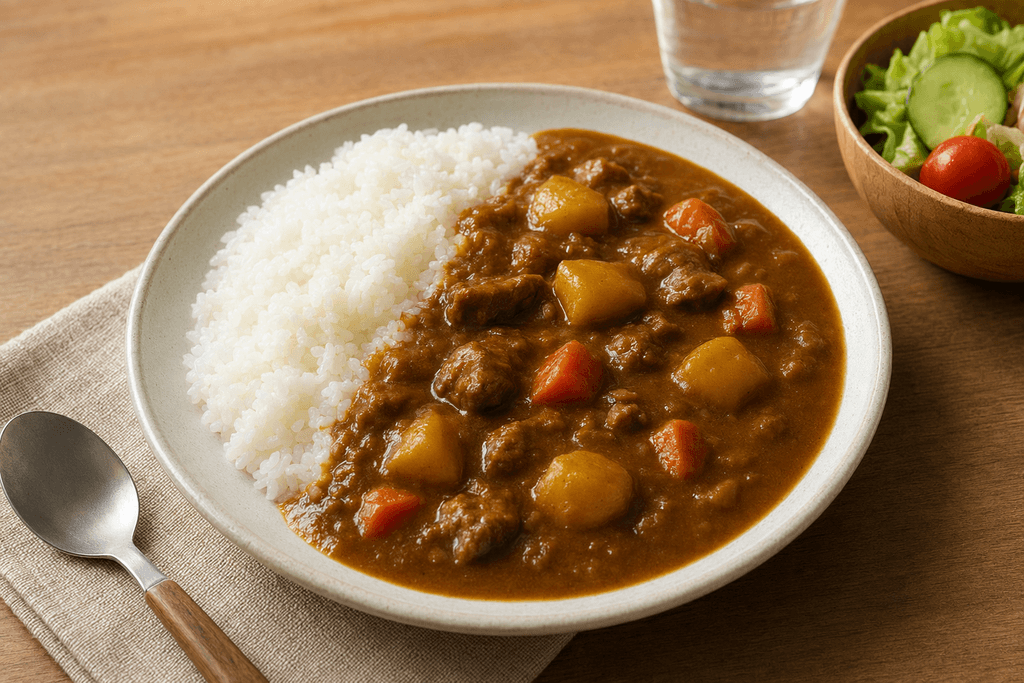
カレー
kari
カレー
kari
Explanation
kari
カレー
kari / ulam na may sarsang curry / sarsa ng curry
( romanization )
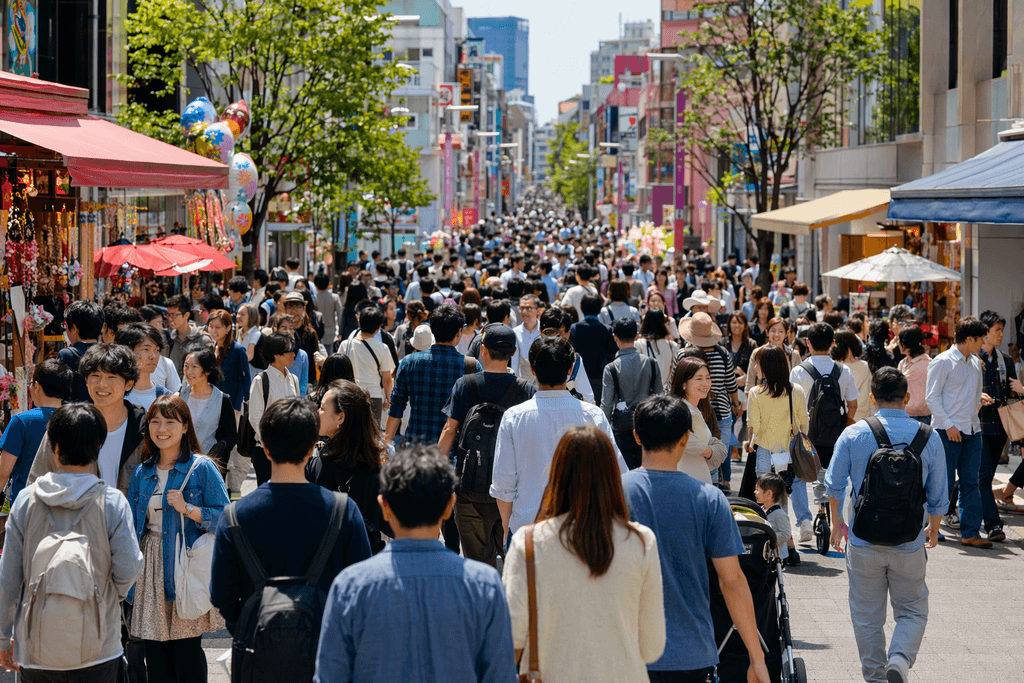
賑やか
masigla
賑やか
masigla
Explanation
賑やか
masigla
賑やか
masigla / matao / maingay
Word Forms
The basic and commonly used forms of this adjectival noun.
Basic forms
| Form | Word form | Usage |
|---|---|---|
| Imperfective form (mizenkei) | Used in forms such as darou. | |
| Continuative form (renyokei) |
Alternative:
賑やかに
賑やかだっ
|
Used with de or ni. |
| Conclusive form (shushikei) | Ends a sentence with da. | |
| Attributive form (rentaikei) | Modifies a noun with na. | |
| Conditional form (kateikei) | Expresses a condition with nara. | |
| Imperative form (meireikei) | Used in formal expressions such as de are. |
Common forms
白い
puti
白い
puti
Explanation
白い
puti
白い
puti / maputi

Word Forms
The basic and commonly used forms of this adjective.
Basic forms
| Form | Word form | Usage |
|---|---|---|
| Imperfective form (mizenkei) | Used in forms such as karou; mainly literary. | |
| Continuative form (renyokei) |
Alternative:
白かっ
|
Used in forms such as kute and kunai. |
| Conclusive form (shushikei) | Ends a sentence. | |
| Attributive form (rentaikei) | Modifies a noun. | |
| Conditional form (kateikei) | Expresses a condition with kereba. | |
| Imperative form (meireikei) | Rarely used in modern Japanese. |
Common forms
明るい
maliwanag
明るい
maliwanag
Explanation
明るい
maliwanag
明るい
maliwanag / masayahin / maalam sa isang paksa

Word Forms
The basic and commonly used forms of this adjective.
Basic forms
| Form | Word form | Usage |
|---|---|---|
| Imperfective form (mizenkei) | Used in forms such as karou; mainly literary. | |
| Continuative form (renyokei) |
Alternative:
明るかっ
|
Used in forms such as kute and kunai. |
| Conclusive form (shushikei) | Ends a sentence. | |
| Attributive form (rentaikei) | Modifies a noun. | |
| Conditional form (kateikei) | Expresses a condition with kereba. | |
| Imperative form (meireikei) | Rarely used in modern Japanese. |
Common forms
零
sero
零
sero
Explanation
零
sero
零
sero / zero / wala (bilang)

( romanization )
( hiragana )
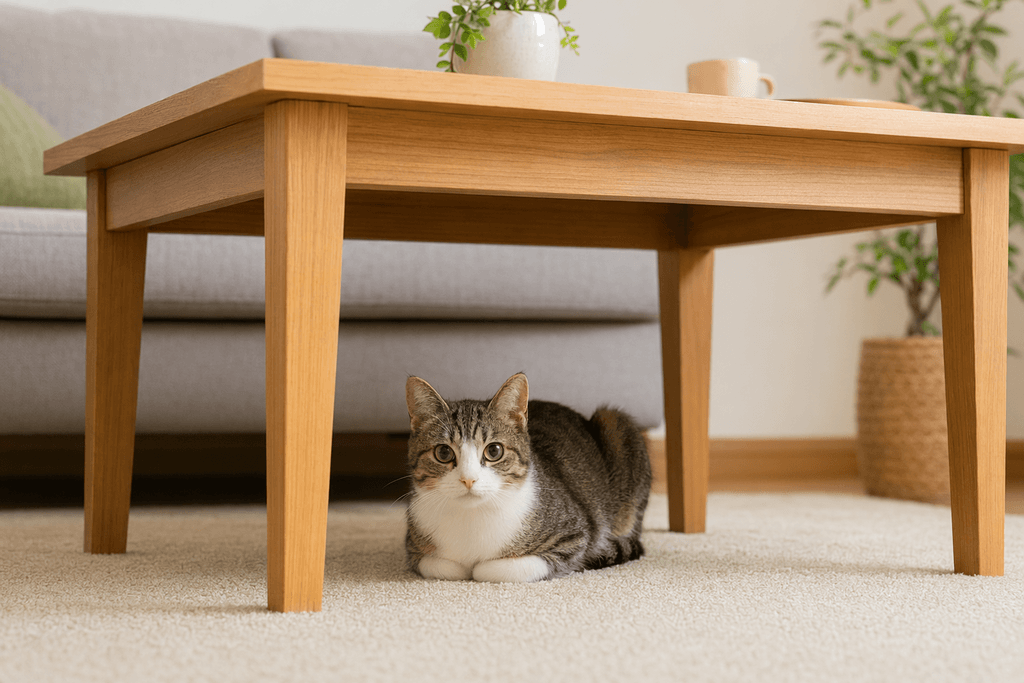
下
sa ibaba
下
sa ibaba
Explanation
下
sa ibaba
下
ilalim; ibaba / pababa / mas mababa
カメラ
kamera
カメラ
kamera
Explanation
kamera
カメラ
kamera / aparatong pangkuha ng larawan

( romanization )
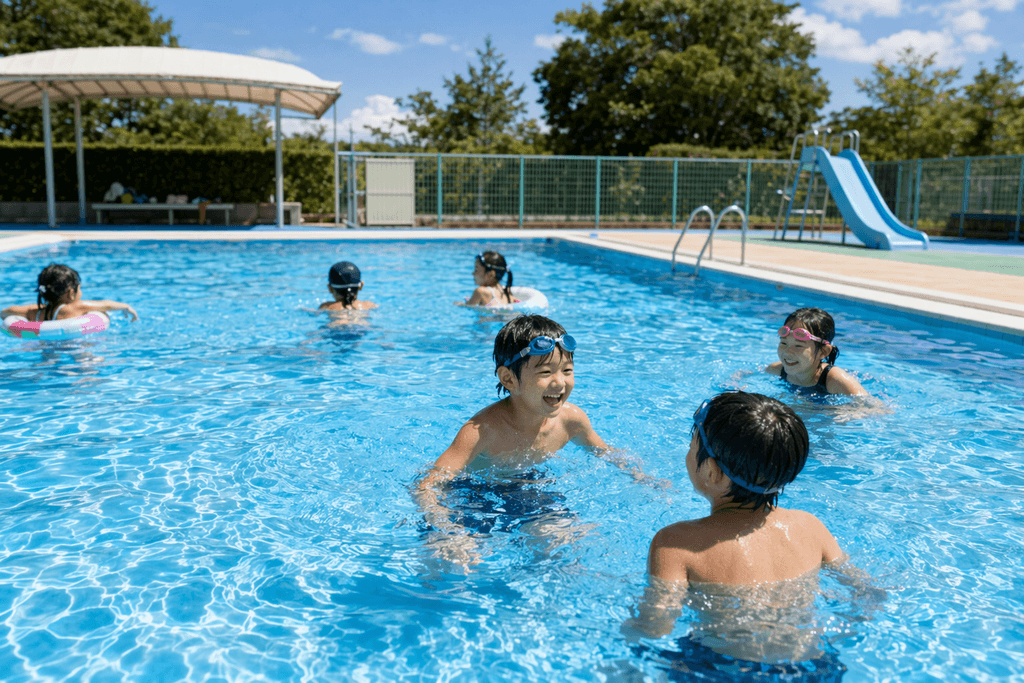
プール
swimming pool
プール
swimming pool
Explanation
swimming pool
プール
palanguyan / imbakan ng tubig / pinagsamang pondo
( romanization )
あれ
iyon
あれ
iyon
Explanation
iyon
あれ
iyon (nasa malayo) / yaon

( romanization )
Loading...

JLPT N5 多言語単語帳・665語 / JLPT N5 Multilingual Vocabulary: 665 Words

Jonathan Waller 氏の JLPT Resources の語彙リスト・レベル分類を出典とし、CC BY の条件に従って DiQt が初級向けに意味を作り直した665語の単語帳です。JLPT公式の語彙リストではありません。
This collection of 665 words is based on the vocabulary list and level classifications in Jonathan Waller’s JLPT Resources under CC BY, with meanings rewritten by DiQt for beginners. It is not an official JLPT vocabulary list.
Key Operations
Select the first quiz:
Ctrl + Enter
View Explanation:Ctrl + G
Close a feedback:Esc
When selecting a quiz
Answer:Enter
Select a choice:↓ or ↑
Reading out the question:Ctrl + K
View Hint: Ctrl + M
I don't know: Ctrl + Y



