
JLPT N5: Kahulugan ng mga salita - Unsolved

Alamin ang kahulugan ng 665 salita sa JLPT N5 sa Filipino sa pamamagitan ng mga tanong na may apat na pagpipilian.
-
bolpen
-
langit
-
panahon
-
asin
-
estudyanteng mula sa ibang bansa
-
umaga
-
kayumanggi
-
tiket
-
iba pang bagay
-
tren sa ilalim ng lupa
-
karne ng baboy
-
batang lalaki
-
guro
-
paglalaba
-
tinapay
-
pula
-
marami
-
manipis / matabang
-
huminto
-
umulan / bumagsak ang niyebe
-
pumunta
- 下一段活用の動詞。意味上、答える対象・相手などを「に」で示すことがある。
-
pagsusulit
-
kari
-
bisikleta
-
interseksiyon
-
silid-aralan
-
ngayong araw
-
itlog
-
refrigerator
-
balita
時間
oras / isang oras
時間
oras / isang oras
Explanation
時間
oras / isang oras
時間
oras / tagal / oras ng pangyayari

( Base form )
( romanization )
( hiragana )
晴れ
maaliwalas na panahon
晴れ
maaliwalas na panahon
Explanation
晴れ
maaliwalas na panahon
晴れ
maaliwalas na panahon / maaraw na panahon / magandang panahon

( Base form )
( romanization )
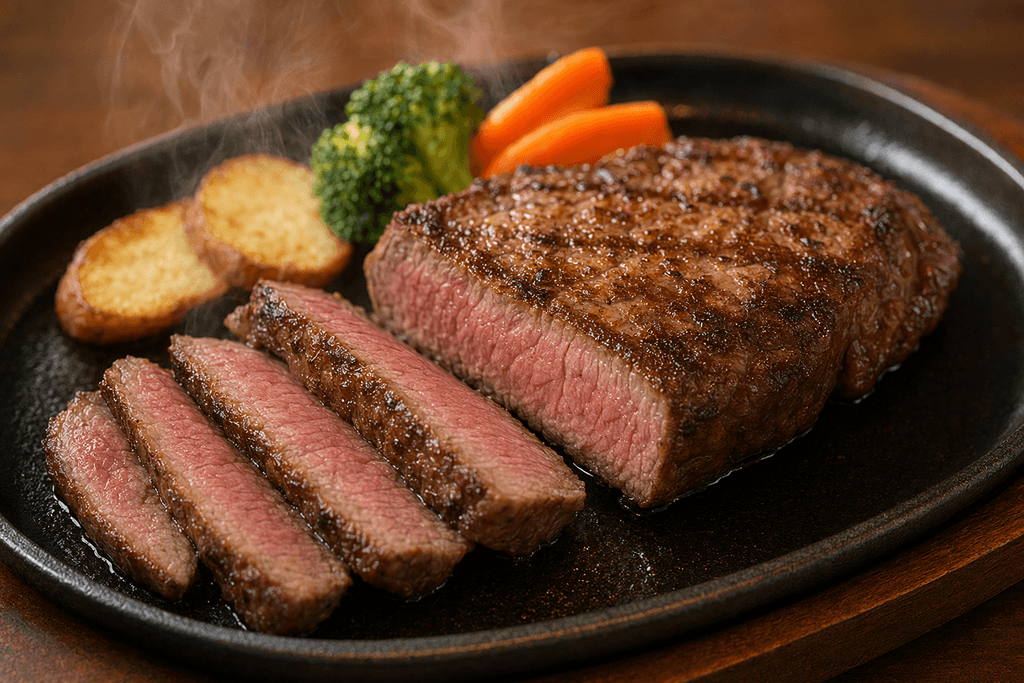
牛肉
karne ng baka
牛肉
karne ng baka
Explanation
牛肉
karne ng baka
牛肉
karne ng baka / laman ng baka
( Base form )
( romanization )
( hiragana )
食堂
kantina
食堂
kantina
Explanation
食堂
kantina
食堂
kantina o kafeterya / silid-kainan o bulwagang kainan / kainan o restawran

( Base form )
( romanization )
( romanization )
( hiragana historical )
( hiragana )
大学
unibersidad
大学
unibersidad
Explanation
大学
unibersidad
大学
unibersidad / pamantasan / dalubhasaan

( Base form )
( romanization )
( kyūjitai )
( hiragana )
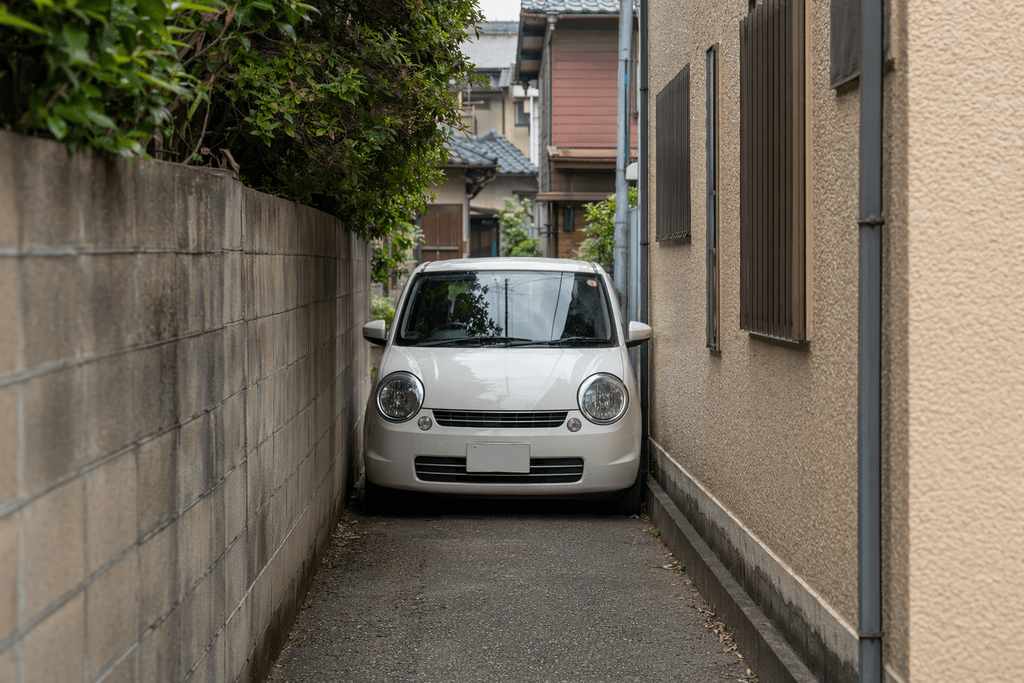
狭い
makitid
狭い
makitid
Explanation
狭い
makitid
狭い
makitid / masikip / makipot
Word Forms
The basic and commonly used forms of this adjective.
Basic forms
| Form | Word form | Usage |
|---|---|---|
| Imperfective form (mizenkei) | Used in forms such as karou; mainly literary. | |
| Continuative form (renyokei) |
Alternative:
狭かっ
|
Used in forms such as kute and kunai. |
| Conclusive form (shushikei) | Ends a sentence. | |
| Attributive form (rentaikei) | Modifies a noun. | |
| Conditional form (kateikei) | Expresses a condition with kereba. | |
| Imperative form (meireikei) | Rarely used in modern Japanese. |
Common forms
答える
sumagot
答える
sumagot
Explanation
答える
sumagot
答える
sumagot (sa tanong) / tumugon / magsabi bilang tugon

Word Forms
The basic and commonly used forms of this verb.
Basic forms
| Form | Word form | Usage |
|---|---|---|
| Imperfective form (mizenkei) | Connects to endings such as nai, reru, and seru. | |
| Continuative form (renyokei) | Connects to endings such as masu, tai, and ta. | |
| Conclusive form (shushikei) | Ends a sentence and serves as the dictionary form. | |
| Attributive form (rentaikei) | Modifies a noun. | |
| Conditional form (kateikei) | Combines with ba to express a condition. | |
| Imperative form (meireikei) |
Alternative:
答えよ
|
Expresses a command or instruction. |
Common forms
| Form | Word form | Usage |
|---|---|---|
| Te-form | Connects clauses with te. | |
| Ta-form | Expresses the past with ta. | |
| Nai-form | Expresses negation with nai. | |
| Masu-form | Used for polite speech. | |
| Ba-form | Expresses a condition with ba. | |
| Volitional form | Expresses intention or invitation. |
Notes
窓
bintana
窓
bintana
Explanation
窓
bintana
窓
bintana / durungawan

( romanization )
( hiragana )
セーター
suweter
セーター
suweter
Explanation
suweter
セーター
sweter / pulober / panglamig na hinabing pang-itaas

( romanization )
ナイフ
kutsilyo
ナイフ
kutsilyo
Explanation
kutsilyo
ナイフ
kutsilyo / patalim / panghiwa

( romanization )
Loading...

JLPT N5 多言語単語帳・665語 / JLPT N5 Multilingual Vocabulary: 665 Words

Jonathan Waller 氏の JLPT Resources の語彙リスト・レベル分類を出典とし、CC BY の条件に従って DiQt が初級向けに意味を作り直した665語の単語帳です。JLPT公式の語彙リストではありません。
This collection of 665 words is based on the vocabulary list and level classifications in Jonathan Waller’s JLPT Resources under CC BY, with meanings rewritten by DiQt for beginners. It is not an official JLPT vocabulary list.
Key Operations
Select the first quiz:
Ctrl + Enter
View Explanation:Ctrl + G
Close a feedback:Esc
When selecting a quiz
Answer:Enter
Select a choice:↓ or ↑
Reading out the question:Ctrl + K
View Hint: Ctrl + M
I don't know: Ctrl + Y



